
Plants
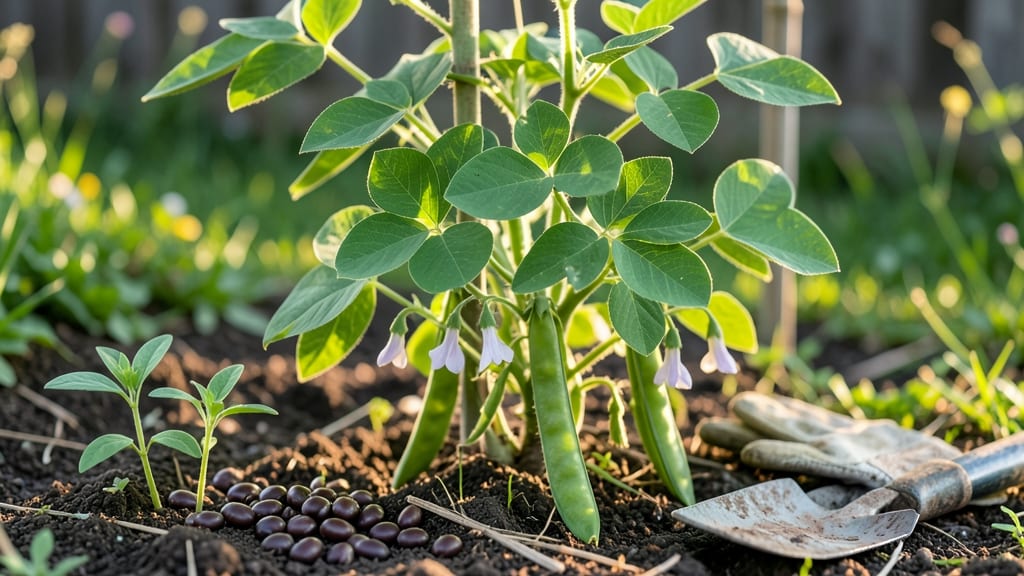
Planting beans in Zone 6 at the wrong time can turn your garden dreams into a sad, shriveled mess—especially when those sneaky late frosts strike. The secret to success?
Waiting until the soil warms to 60°F+ and the last frost has truly passed, usually between mid-April and early June for most of Zone 6 (6a-6b).
I’ve learned the hard way that rushing beans into cold soil means slow germination or worse—seeds that rot before they even sprout. But with the right timing, you’ll go from seed to harvest in just 60 days, filling your kitchen with fresh, crisp pods from July to September.
Let’s break down exactly when to plant for maximum success.
First, we’ll tackle the soil temperature rules that make or break your beans. Then, I’ll share my top tricks for beating Zone 6’s frost quirks, including when to plant bush vs. pole varieties and how to stretch your harvest season. No more guessing—just proven strategies for a bumper crop.
Ready to turn your garden into a bean bonanza? Grab your trowel, and let’s get those 🌱 seeds in the ground at the perfect moment—no frost-related disappointments allowed.
Optimal soil temperature for planting beans in Zone 6 (with exact degree rules)
Planting beans in Zone 6 hinges on two critical factors: soil temperature and last frost dates. While your local average last frost might be April 15, cold soil can stall germination even after the frost danger passes.
Beans need 60–65°F soil to sprout reliably—any cooler, and your seeds may rot in the ground or take weeks to emerge.
I’ve learned the hard way that rushing bean planting before the soil warms enough leads to patchy germination and weak seedlings.
The USDA Zone 6 spans a wide range of microclimates—from early-spring areas where soil hits 60°F by late April to later zones where you might not reach that mark until mid-May. Understanding these nuances is key to success.
To test soil temperature accurately, use a soil thermometer (available for under $10) and check it 1–2 inches deep—where your seeds will sit. Morning readings between 60–65°F signal it’s time to plant.
If your soil is still below 55°F, wait at least 7–10 days for the temperature to rise naturally, or use black plastic mulch to warm it faster.
Here’s the exact rule I follow: Plant beans when your soil consistently stays at 60°F or above for 3–5 days in a row. This accounts for daily temperature fluctuations.
In Zone 6a (colder end), this often means waiting until May 1–15, while Zone 6b (warmer) gardeners can start as early as late April.
Late frosts are the biggest threat to bean planting in Zone 6. Even if your soil is warm, a 28°F frost can wipe out young seedlings overnight. I recommend using frost dates from the past 10 years (not just averages) to adjust your timeline.
For example, if your area had late frosts in May 2020 and 2022, push planting back to mid-May for safety.
For pole beans, which take longer to mature (80–90 days), I plant the first batch in early May to ensure harvests before fall frosts. Bush beans (ready in 50–60 days) get a second planting in late May or early June for a second harvest.
This staggered approach maximizes your yield and reduces frost risk.
If you’re in a cooler microclimate (like a low-lying area or near water), extend your planting window by 2–3 weeks. Conversely, warmer microclimates (south-facing slopes or urban heat islands) can support earlier planting. Always observe your garden’s unique patterns—what works for your neighbor’s yard might not apply to yours.
Pro tip: Warm your soil faster by covering beds with black plastic mulch 1–2 weeks before planting. This can raise soil temps by 5–10°F and jumpstart germination. Just remove the plastic once seeds sprout to prevent overheating. For organic gardeners, straw mulch works too, though it warms soil more slowly.
Remember, beans are sensitive to cold soil but thrive in warm conditions. Once planted, maintain soil temps above 55°F for consistent growth. If nighttime temps dip below 50°F after planting, use row covers or cloches
Step-by-step planting schedule for bush vs. pole beans in Zone 6
Bush and pole beans may look similar, but their planting schedules in Zone 6 couldn’t be more different. Bush beans thrive when planted early—just after your last frost date—while pole beans need warmer soil and a longer growing season to reach their full potential.
I’ve found that timing these correctly can extend your harvest by 4-6 weeks, giving you fresh pods from July through September.
For Zone 6, aim to plant bush beans between mid-April and early May when soil temperatures hit 60°F+. Pole beans, however, prefer to wait until late May to early June, when the ground is warmer and late frosts are less likely.
This 30-day difference isn’t just about timing—it’s about giving each variety the ideal conditions to flourish.
| Variety | Planting Window | Soil Temp | Harvest Timeline | Succession Planting |
|---|---|---|---|---|
| Bush Beans | Mid-April to early May | 60°F+ | 60-70 days (July-August) | Every 2 weeks until June 15 |
| Pole Beans | Late May to early June | 65°F+ | 70-80 days (August-September) | Single planting (or late June for short season) |
| Pro Tip: Use row covers to extend pole bean season by 2-3 weeks! | ||||
Succession planting is the secret to a never-ending bean harvest. For bush beans, I plant new seeds every 2 weeks until mid-June. This staggered approach ensures you’re picking fresh pods throughout the summer.
Pole beans, on the other hand, are planted once and produce for weeks, so focus on giving them plenty of space to climb and thrive.
Don’t forget about row covers—they’re my go-to trick for extending the season. By covering your pole beans with lightweight fabric, you can push your planting window back by 2-3 weeks and protect tender seedlings from unexpected late frosts.
I’ve even used them to start bush beans earlier in cooler springs with great success.
To maximize your harvest, mark your calendar for July 15 as the start of your first bush bean harvest. Pole beans will follow in late August, with continuous pickings through September.
With this schedule, you’ll enjoy fresh beans for nearly 12 weeks—far longer than a single planting would allow.
Remember, the key to success is patience and preparation. Test your soil temperature before planting, watch your local frost forecasts, and don’t rush—your beans will thank you with a bountiful harvest. Happy planting! 🌱