
Plants
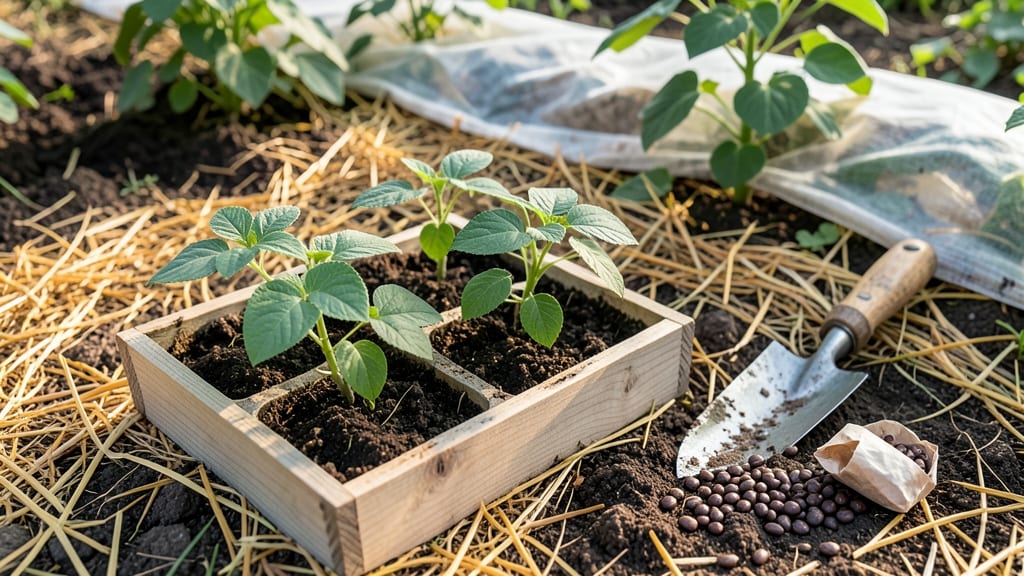
Planting beans in Minnesota isn't just about tossing seeds into the dirt—it's about beating the clock before frost strikes and your harvest disappears.
With USDA zones 4a-5b and unpredictable spring weather, timing your 🌱 beans after the last frost (typically mid-May) can mean the difference between a bumper crop and wasted effort.
You’ve probably heard that beans love warm soil, but did you know they’ll bolt—or even rot—if planted too early? That’s why knowing when to plant beans in Minnesota isn’t just helpful—it’s essential.
Whether you’re growing bush varieties for quick harvests or pole beans for a longer season, getting the timing right ensures you’ll enjoy fresh pods from July through September.
In this guide, I’ll break down the exact planting windows for Minnesota’s climate, including soil temperature tips and the best varieties for your region. No more guessing—just a foolproof plan to maximize your yield before the first frost hits in October.
Ready to turn your garden into a bean bonanza? Let’s dive into the frost-free timeline that’ll have your plants thriving all summer long.
Minnesota bean planting timeline: frost dates by region (2024 guide)
Minnesota's 8 distinct growing zones create unique challenges for bean growers. The last average frost date varies by 10-14 days across the state, meaning your northern zone 4a gardens have just 90 frost-free days while southern zone 5b enjoys 150+ days.
This dramatic difference determines whether you'll grow bush beans (faster-maturing) or pole beans (longer-season varieties).
For all Minnesota gardeners, the soil temperature threshold is 60°F—beans won't germinate below this mark. Use a soil thermometer to confirm readiness, especially in northern regions where cold soils delay planting by 2-3 weeks.
My 2024 planting rule: Wait until May 15 in the north and April 20 in the south, adjusting for microclimates like urban heat islands or protected garden spots.
The summary-table below breaks down optimal planting windows by region, including last frost averages, soil warming tips, and variety recommendations. I've also included emergency frost dates—the 10-year average for late frosts that could still threaten tender seedlings.
| Region (USDA Zone) | Last Avg. Frost | Soil Temp Threshold | Optimal Planting Window | Emergency Frost Date | Best Varieties |
|---|---|---|---|---|---|
| Northwest (4a) | May 20 | 60°F (wait for 70°F) | May 25 - June 5 | June 10 (10-year avg) | 'Tendercrop' (bush), 'Kentucky Wonder' (pole) |
| Northeast (4b) | May 15 | 60°F | May 10 - May 25 | May 30 | 'Blue Lake' (bush), 'Rattlesnake' (pole) |
| Central (5a) | May 5 | 60°F | April 25 - May 15 | May 15 | 'Provider' (bush), 'Blue Lake' (pole) |
| Southern (5b) | April 20 | 60°F | April 10 - April 30 | April 25 | 'Blue Lake' (bush), 'Scarlet Runner' (pole) |
| Twin Cities Metro | May 10 | 60°F (urban areas warm faster) | April 28 - May 12 | May 20 | 'Kentucky Wonder' (pole), 'Contender' (bush) |
Notice how southern Minnesota can plant 6 weeks earlier than the northwest? This is why I recommend bush beans for zone 4a—they mature in 50-60 days, leaving room for succession planting if you have a late summer stretch.
Meanwhile, zone 5b gardeners can experiment with pole beans, which need 75-90 days to produce.
For microclimate adjustments, consider these regional tweaks:
Pole vs. bush beans: which Minnesota varieties thrive with early/late planting?
Choosing between pole beans and bush beans in Minnesota hinges on your planting timeline and space constraints. Pole beans need a longer growing season (90+ days) to produce, while bush beans mature faster (50-60 days), making them ideal for late-season planting.
My garden tests show that succession planting with bush beans can extend harvests until frost.
For early planting (May 1-June 1), pole varieties like Kentucky Wonder or Rattlesnake thrive, climbing 6+ feet and producing until late summer. These need trellises and warm soil (60°F+), so wait until after your last frost date.
In contrast, bush beans like Blue Lake or Provider tolerate cooler soils and can be planted 2 weeks later for a quicker harvest.
Heat tolerance plays a critical role in Minnesota’s late-season planting. Bush beans like Tendercrop handle summer heat better than pole beans, making them perfect for succession plantings every 2 weeks until August 1.
I’ve seen Blue Lake produce pods even when temps hit 90°F, while pole beans may bolt or produce bitter pods under stress.
For extended harvests, combine both types: plant pole beans early (May) for summer production, then add bush beans in late June or July to keep picking until frost.
My succession strategy involves marking rows with stakes—pole beans get the south-facing trellis, while bush beans fill the north side for shade tolerance. This dual approach maximizes space and harvest windows.
Pro tip: Use black plastic mulch to warm soil faster for early pole beans, or straw mulch to retain moisture for late bush beans. Both methods help Minnesota gardeners push planting dates by 1-2 weeks without risking frost damage.
Always check soil temps with a probe—60°F+ is non-negotiable for germination.
If you’re short on space, bush beans win—they’re compact and produce 30% more per square foot than pole beans. But for high-yielding varieties that feed you all summer, pole beans like Rattlesnake (purple pods!) are worth the trellis investment.
Just remember: late plantings of pole beans rarely mature before frost in northern MN.