
Plants
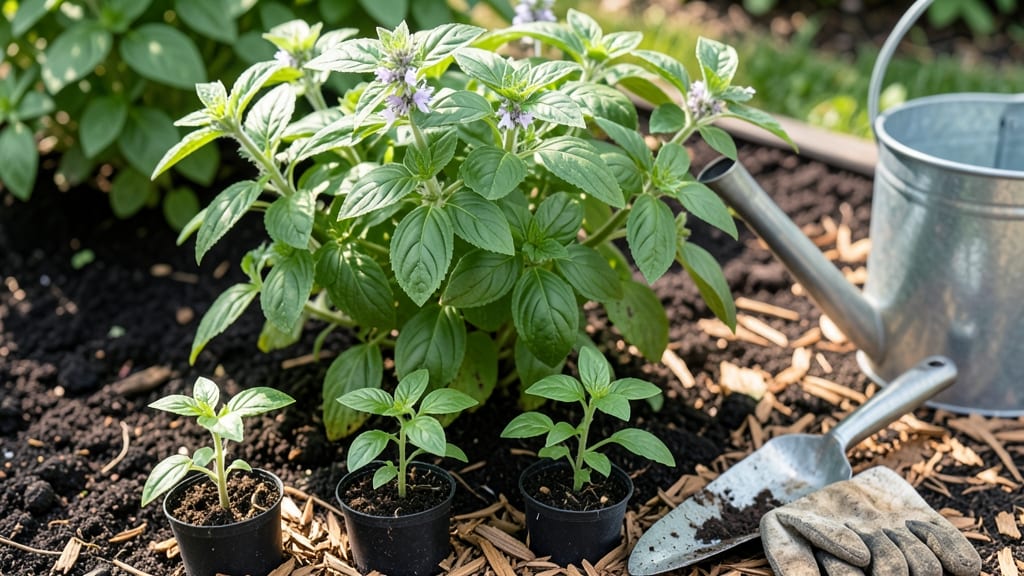
Timing your basil planting in Maryland can mean the difference between a flavorful harvest and bitter disappointment—because one wrong move sends this herb bolting faster than a summer storm rolls in.
The key isn’t just waiting for spring; it’s knowing exactly when soil warms past 50°F in your 7a-8a zone, typically between mid-April and early June after frost danger fades.
Most gardeners in Maryland treat basil as an annual, but with the right tricks—like staggered sowing or container growing—you can stretch your harvest from June all the way to September.
The secret lies in avoiding those early chills that stunt growth or the late-season heat that triggers flowering, both of which turn your sweet basil into something closer to pesto’s bitter cousin.
I’ve tested these methods in my own garden, and the results speak for themselves: healthier plants, longer harvests, and leaves so fragrant they’ll make your kitchen smell like a Tuscan market.
Ready to learn the exact schedule that works for Maryland’s climate? Let’s dive into the timing that’ll keep your basil thriving all season long.
From choosing the perfect spot to understanding when to pinch those first flowers, we’ll cover everything you need to grow basil that’s bursting with flavor—not bolting before its time.
Because in Maryland, where summers are short and unpredictable, getting this right means the difference between a handful of leaves and a full harvest.
Maryland heat zone 8a basil planting timeline: avoiding bolting and maximizing growth
Growing basil in Maryland’s Heat Zone 8a means working with a short but intense growing season where timing can make or break your harvest.
The key to avoiding bolting (when basil flowers prematurely and loses flavor) is planting at the right time—after the last frost but before soil temperatures climb too high. For Maryland, that window is tight, typically spanning just 6-8 weeks between mid-April and early June.
Basil thrives in warm soil, but it’s also sensitive to cold snaps. In Maryland, the average last frost date falls around April 15, though this can vary by 1-2 weeks depending on your exact location.
To calculate your local last-frost date, check the USDA Plant Hardiness Zone Map or use your county’s agricultural extension service for precise data. Planting too early risks frost damage, while waiting too long can trigger bolting from summer heat.
Here’s the golden rule: Wait until the soil temperature reaches at least 50°F (measured 2-3 inches deep) and all frost risk has passed. Use a soil thermometer to monitor—this is the best way to avoid common mistakes like planting too soon and losing your crop to cold.
For container-grown basil, you can start indoors 4-6 weeks before your last frost date to give seedlings a head start.
For transplants, purchase nursery starts after your last frost date—typically by mid-April. Choose compact varieties like Genovese or Sweet Basil, which handle Maryland’s heat better than sprawling types.
Space plants 12-18 inches apart in well-draining soil with a pH of 6.0-7.0. Amend heavy clay soil with compost to improve drainage, as basil hates soggy roots.
If you’re direct sowing, plant seeds ¼-inch deep in rows spaced 18 inches apart. Keep soil moist until germination (7-14 days) and thin seedlings to 12 inches apart once they’re 2 inches tall.
Direct sowing works best in late April to early May when soil is consistently warm. Avoid planting in shaded areas—basil needs 6+ hours of full sun daily to prevent leggy growth and bolting.
Maryland’s summer heat can accelerate bolting, so plan to harvest leaves before flowers form. Start harvesting 6-8 weeks after planting, focusing on the top sets of leaves to encourage bushier growth. If your basil bolts prematurely, try shade cloth (30-50% coverage) during peak afternoon heat to slow flowering.
For a second harvest, consider a late summer planting in August, using shade cloth to protect seedlings from intense heat.
One pro tip: Stagger your plantings every 2-3 weeks from April to June. This ensures a continuous supply of fresh basil instead of a single harvest. For example, plant one batch in late April, another in mid-May, and a final batch in early June.
This method also helps mitigate risks from unexpected late frosts or heatwaves.
Finally, monitor your basil’s water needs closely. Maryland’s summer can bring 90°F+ temperatures, which dry out soil quickly. Water deeply in the morning to keep roots cool and avoid fungal diseases.
Mulch around plants with straw or shredded leaves to retain moisture and regulate soil temperature. With this precise timeline, you’ll avoid bolting and enjoy flavorful basil from June through September.
🌱
How to extend your Maryland basil season: staggered planting and container hacks
Maryland’s short growing season doesn’t have to limit your basil harvest. By using staggered planting and smart container gardening, you can enjoy fresh leaves from June through October—or even longer.
The key is understanding how to control heat stress and extend the season with simple techniques that work for Maryland’s Heat Zone 8a.
First, staggered planting is your secret weapon. Instead of planting all your basil at once, sow seeds every 2-3 weeks from mid-April to early June. This ensures a continuous supply of fresh leaves as older plants bolt.
For example, plant your first batch in late April, then follow up with May 10th, May 25th, and June 10th for a steady harvest through fall.
Here’s how to maximize your basil’s potential in Maryland:
- 1 Start with containers: Use 5-7 inch pots for better heat control. Dark-colored pots absorb heat faster, so opt for light-colored containers to keep roots cooler.
- 2 Plant in partial shade during peak summer heat (July-August). Move containers to a spot with morning sun and afternoon shade to prevent bolting.
- 3 Overwinter indoors: In late September, bring potted basil indoors near a south-facing window or under grow lights. Reduce watering to every 7-10 days and harvest lightly.
- 4 Use row covers for early spring starts (March). Lightweight fabric protects seedlings from late frosts while allowing sunlight through.
- 5 Harvest aggressively to delay bolting. Pinch off flower buds and harvest outer leaves regularly to encourage bushier growth.
For container gardening, choose well-draining soil mixed with compost to keep roots fed. Elevate pots on feet or bricks to improve airflow and prevent root rot. In Maryland’s humidity, this is especially important to avoid fungal issues.
Don’t forget to fertilize lightly every 4-6 weeks with a balanced 10-10-10 mix. Over-fertilizing can lead to excessive leaf growth at the expense of flavor. Water in the morning to reduce evaporation and pest pressure.
With these season-extending tricks, you’ll enjoy homegrown basil for months—even through Maryland’s fall chill. Start your first batch now, and by October, you’ll have a thriving plant ready for indoor overwintering or a final harvest before frost. 🌿