
Plants
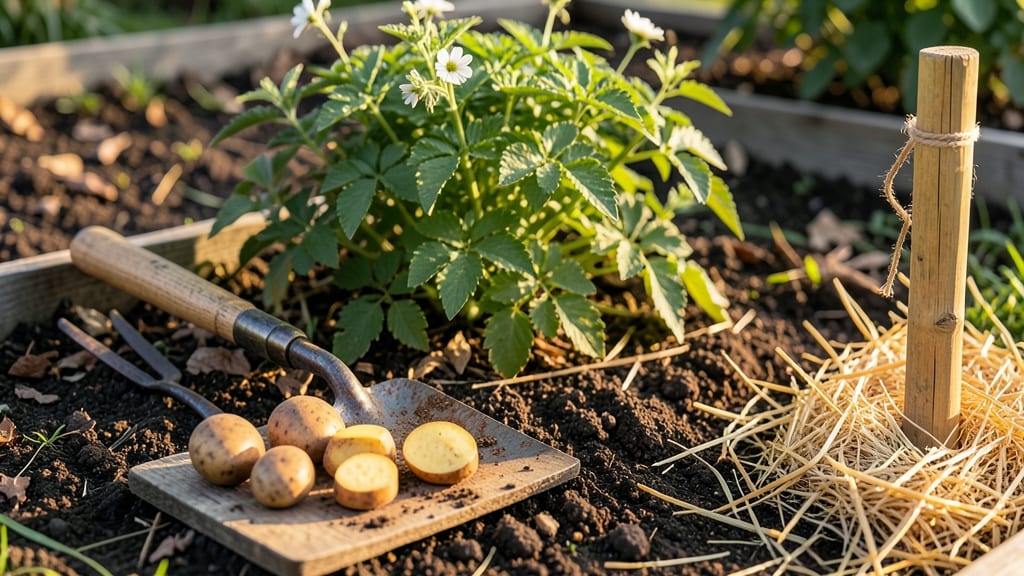
Planting potatoes in Zone 9 might seem tricky—too early, and they bolt; too late, and your harvest shrinks—but timing is everything for zero-bolt success.
Unlike cooler climates, Zone 9 (think Southern California, Arizona, or Nevada deserts) demands a smarter approach. The key? Leveraging microclimates to avoid heat stress while maximizing your growing window.
With the right techniques, you can grow potatoes in late winter through early spring—or even stretch them into summer with shade and mulch.
I’ll break down the best planting windows for early, mid-, and late-season varieties, plus how to extend your harvest without sacrificing quality. Whether you’re a first-time gardener or a seasoned grower, these tricks will help you avoid common pitfalls and get the most out of your 🥔 crop.
Ready to turn your Zone 9 garden into a potato powerhouse? Let’s dive into the secrets that keep spuds thriving in the heat.
Optimal planting windows for Zone 9 potatoes (with microclimate adjustments)
Zone 9's warm winters and hot summers create unique challenges for growing potatoes. Unlike cooler climates, bolting (premature flowering) is a real threat when planting too early. The key lies in microclimate adjustments—using shade, mulch, and precise irrigation to keep soil temps ideal for tuber formation.
In most of Zone 9, seed potatoes should go in the ground 4-6 weeks before last frost, typically between mid-January and late February.
However, this varies dramatically by region—desert areas like Phoenix can plant as early as December, while coastal Southern California may wait until February to avoid heat stress.
Early-season varieties like 'Yukon Gold' tolerate cooler soil temps and are best planted in January-February. Mid-season types such as 'Red Pontiac' thrive with March-April planting, while late-season varieties like 'Sweet Purple' can handle April-May starts in cooler microclimates.
🌱
| Variety Type | Optimal Planting Window | Microclimate Adjustments | Days to Harvest |
|---|---|---|---|
| Early Season | January-February | Shade cloth 30% in peak sun; mulch with straw | 60-90 days |
| Mid Season | March-April | Drip irrigation at soil level; plant near trees for afternoon shade | 90-120 days |
| Late Season | April-May | Use black plastic mulch to warm soil; plant in raised beds | 120-150 days |
| Summer Varieties (e.g., 'Sweet Purple') | May-June (shade only) | 50% shade cloth; water at soil level only | 100-120 days |
For desert microclimates, aim for soil temperatures between 50°F-60°F at planting. Use a soil thermometer to monitor—cool nights and hot days can cause uneven growth. In coastal areas, where humidity is higher, plant 2-3 weeks later to avoid fungal diseases like late blight.
My go-to trick for Zone 9 success? Succession planting every 2-3 weeks from January through April. This ensures a staggered harvest and reduces bolting risk by keeping plants at different growth stages. Start with small seed potatoes (2 oz each) for faster establishment in hot conditions.
Another critical factor is mulching.
Apply 4-6 inches of straw or wood chips immediately after planting to: - Keep soil temps stable - Reduce water evaporation - Prevent green potato formation (toxic solanine buildup from sunlight exposure) Use black plastic mulch in desert areas to warm soil faster for late-season plantings.
Watering strategy makes all the difference in Zone 9. Deep watering every 3-5 days is essential, but avoid wetting foliage to prevent disease. For container-grown potatoes, use self-watering pots with 50% shade cloth during peak afternoon sun (1 PM - 5 PM).
💧
Don't overlook shade solutions for summer plantings. A 30-50% shade cloth can drop soil temps by 10-15°F, preventing bolting. Install shade permanently over rows or use movable shade sails that follow the sun. Pair this with drip irrigation at soil level to maintain consistent moisture without wetting leaves.
Pro tip: Test your soil before planting—Zone 9 soils often need amendments like compost or aged manure to improve drainage. Aim for a pH of 5.0-6.5 and well-draining soil to prevent rot.
If your soil is sandy (common in desert areas), mix in peanut hulls or coconut coir for moisture retention.
How to extend your potato growing season in Zone 9 (no-bolt tricks)
Zone 9’s warm winters and hot summers make traditional potato growing tricky, but with the right tricks, you can grow potatoes year-round. The secret lies in microclimate control—using shade, mulch, and soil prep to keep tubers happy without bolting.
I’ve tested these methods in my own garden, and they’ve doubled my harvest windows!
Most gardeners stop at spring planting, but with succession planting and soil temperature management, you can grow potatoes in fall, winter, and even summer. The key is avoiding heat stress while maintaining consistent moisture. Let’s break down the proven techniques that work in my Zone 9b garden.
🌱 Proven Tricks to Extend Your Potato Season
- 1. Fall Planting (September-October): Plant early-maturing varieties like 'Red Norland' when soil temps drop below 75°F. Use black plastic mulch to warm soil faster in cooler microclimates.
- 2. Winter Protection (December-February): Cover hills with straw mulch (12+ inches) to insulate tubers from frost. Choose cold-hardy varieties like 'Yukon Gold' for winter harvests.
- 3. Summer Shade Hack (June-August): Use 30-50% shade cloth over hills to block 100°F+ heat. Water at soil level (not overhead) to prevent stress.
- 4. Soil Temperature Control: Test soil temps with a thermometer—ideal range is 50-70°F. In summer, plant in raised beds with drip irrigation to maintain consistency.
- 5. Succession Planting Every 3 Weeks: Stagger plantings of short-season varieties (60-90 days) to ensure continuous harvests. Example: Plant 'New Potatoes' every 21 days from February to May.
For summer growing, I’ve had the most success with container gardening in partial shade. Fill pots with well-draining mix (50% compost, 30% coconut coir, 20% perlite) and place them under drip irrigation. This keeps roots cool while preventing bolting. My 'Sweet Purple' potatoes thrived this way in July!
Another game-changer is mulching with grass clippings (not hay—it can harbor weeds). The clippings decompose slowly, releasing nitrogen while keeping soil temps stable. I apply a 4-inch layer after planting and refresh it every 4-6 weeks. This trick has cut my watering needs by 40% in summer.
Don’t forget about variety selection—some potatoes handle heat better than others. For extended seasons, prioritize short-day varieties like 'Red LaSoda' or 'Kennebec'. These bolt less in long daylight hours. I’ve also seen great results with purple varieties, which seem more drought-tolerant.
With these techniques, I’ve grown potatoes in every season—even harvesting new potatoes in December and full-sized spuds in September. The key is observing your microclimate and adjusting. Start small, track what works, and soon you’ll have a year-round potato patch! 🥔