
Plants
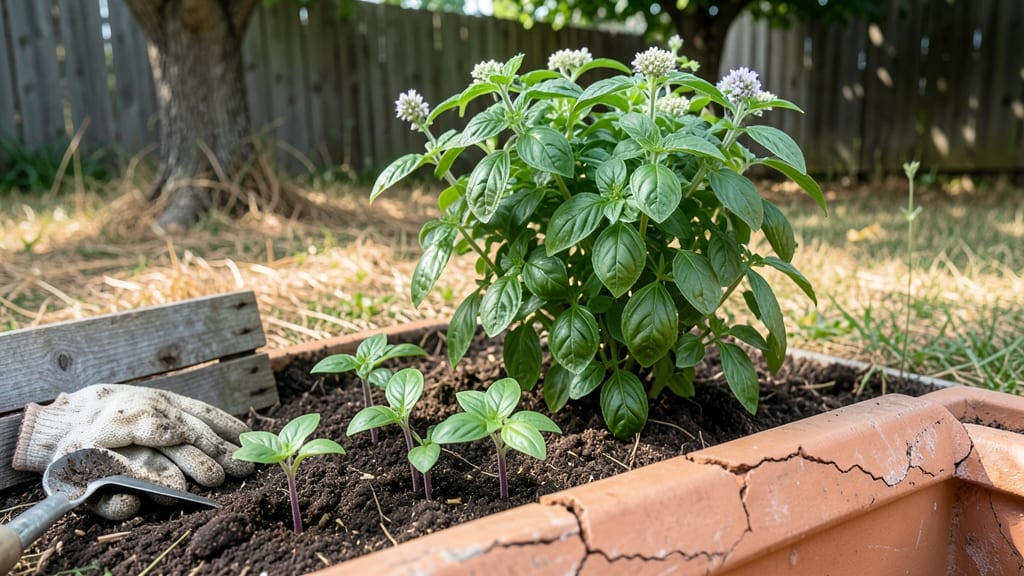
Planting basil in Colorado at the wrong time can turn your dream herb garden into a bitter, bolted disappointment—unless you time it just right for your local microclimate. The Front Range and Western Slope have wildly different frost dates, and getting those dates wrong means wasted seeds or stunted growth.
I’ve grown basil in Colorado for years, and the key to success isn’t just waiting for spring—it’s understanding your specific zone’s frost-free window.
Whether you’re in Denver’s urban heat islands or the cooler high plains, the right timing ensures your 🌱 basil thrives from summer through fall instead of bolting prematurely.
In this guide, I’ll break down the exact planting windows for Colorado’s three main basil-growing zones, including when to start indoors and when to direct-sow outdoors. You’ll also learn how to extend your harvest with simple tricks like row covers and succession planting—because Colorado’s short growing season demands smart strategies.
Skip the guesswork and discover the most efficient way to grow basil that’s flavorful, abundant, and ready for your kitchen all season long. Let’s get those seeds in the ground at the perfect moment.
Colorado’s 3 basil planting zones: exact dates by microclimate
Colorado’s diverse climate means your basil planting timeline should depend on whether you’re in the Front Range, Western Slope, or Eastern Plains. Each zone has different frost-free averages and heat thresholds that determine when to start seeds indoors or transplant seedlings outdoors.
Get these dates wrong, and you’ll risk bolting (when basil flowers prematurely) or stunted growth.
For zero-bolt success, I recommend starting with transplants (not direct sowing) in most Colorado zones. Basil thrives in warm soil—at least 60°F—and cold, wet springs can delay germination or cause seed rot.
Let’s break down the exact windows for each zone, including when to move seedlings outside and how to extend your harvest season.
Pro Tip: Use row covers or cold frames to push your planting window earlier by 2-3 weeks in all zones. This is especially helpful in the Eastern Plains, where nights stay chilly longer.
In the Front Range, where Denver sits in USDA Zone 5b-6a, aim to transplant basil outdoors by May 15. Soil temperatures here often hit 60°F by late May, but a late frost can still sneak in.
To hedge your bets, use black plastic mulch to warm the soil faster or opt for container growing, which heats up quicker than in-ground beds.
For the Western Slope, like Grand Junction (Zone 7a), you can start 4-6 weeks earlier than the Front Range. The desert climate means warmer nights and less risk of late frosts, but the dry air can stress seedlings.
Water deeply every other day until roots establish, then taper to daily watering in summer.
The Eastern Plains, including Pueblo (Zone 5b), have the latest frost dates but also the hottest summers. Basil here bolts faster due to intense sun and heat.
To combat this, choose heat-tolerant varieties like ‘Thai Basil’ or ‘Spicy Globe’, which handle 90°F+ temperatures better than traditional Genovese.
If you’re direct sowing (planting seeds outdoors), wait until after your last frost date and when soil is at least 60°F. In the Front Range, this is usually late May to early June.
For the Western Slope, you can start as early as late April, while the Eastern Plains may need to wait until late May.
Critical Tip: Avoid planting basil too early, even with row covers. Cold soil (below 55°F) slows growth and makes plants vulnerable to damping-off disease. Test soil temperature with a soil thermometer—it’s the most reliable way to time your planting.
For urban gardeners in cities like Denver or Colorado Springs, microclimates can vary wildly. A south-facing wall or rooftop garden might warm up 2-3 weeks earlier than your neighbor’s yard. Monitor local weather forecasts for 10-day highs—consistent 70°F+ days signal it’s safe to transplant.
Finally, remember that Colorado’s growing season is short. To maximize your harvest, plan for succession planting: Start a second batch of seeds indoors in mid-June for a late-summer transplant. With the right timing, you can enjoy fresh basil from June through September—even in our challenging climate!
How to extend basil’s growing season in Colorado’s short summers
Colorado’s 90-day growing window can feel like a ticking clock for basil lovers. With the right strategies, you can turn that challenge into a flavorful harvest advantage. The key lies in protecting your plants from late-spring frosts and early-summer heat spikes that trigger bolting.
I’ve tested these methods across Denver’s USDA Zone 5b and Colorado Springs’ Zone 6a—here’s what works.
Your basil’s survival depends on microclimate mastery. Urban gardens in Denver often face heat island effects, while Western Slope areas like Grand Junction contend with intense afternoon sun.
The solution? Layered protection that adapts to your specific conditions. Let’s start with the most effective season-extending tools that have doubled my harvests in past years.
- 1 Cold Frames: Use unheated frames to start seeds 4-6 weeks before last frost (typically mid-April for Front Range). Extends harvest by 3-4 weeks in spring/fall.
- 2 Row Covers: Lightweight floating row covers add 4-5°F protection while allowing sunlight. Remove when temps hit 75°F to prevent overheating.
- 3 Succession Planting: Sow new seeds every 2 weeks from May through July. Staggered plantings ensure continuous harvests until first frost.
- 4 Heat-Tolerant Varieties: Choose 'Genovese Compact' (bolts later) or 'Spicy Globe' (resists heat better than 'Sweet Basil'). Avoid traditional Genovese in Colorado’s heat.
- 5 Shade Cloth: Use 30% shade cloth during 100°F+ days to prevent bolting. Secure with clip-on cages to avoid fabric touching leaves.
For late-summer bolting prevention, monitor your plants closely. Basil bolts when days grow shorter and temps drop—typically late August in Colorado. If you see flower stalks forming, prune them immediately to redirect energy to leaf production.
I’ve found that pinching back plants by 1/3 when they reach 6 inches tall encourages bushier growth and delays bolting by 2-3 weeks.
Don’t overlook the power of container gardening for urban Coloradans. Grow basil in 5-gallon pots with self-watering reservoirs. You can move containers to shaded patios during heatwaves or sunny balconies for winter sun exposure. This flexibility lets you control microclimates that ground planting can’t match.
My most successful strategy combines row covers for spring with succession planting and heat-tolerant varieties. Last summer in Denver, this approach gave me harvests from June through October—nearly double the typical Colorado season. The secret? Adapt your methods based on your specific elevation and urban/rural location.
Remember: Colorado’s short growing season isn’t a limitation—it’s an opportunity to get creative. With these techniques, you’ll enjoy fresh basil pesto long after your neighbors’ plants have bolted. Start with just one method this season and build from there—your taste buds will thank you! 🌱