
Plants
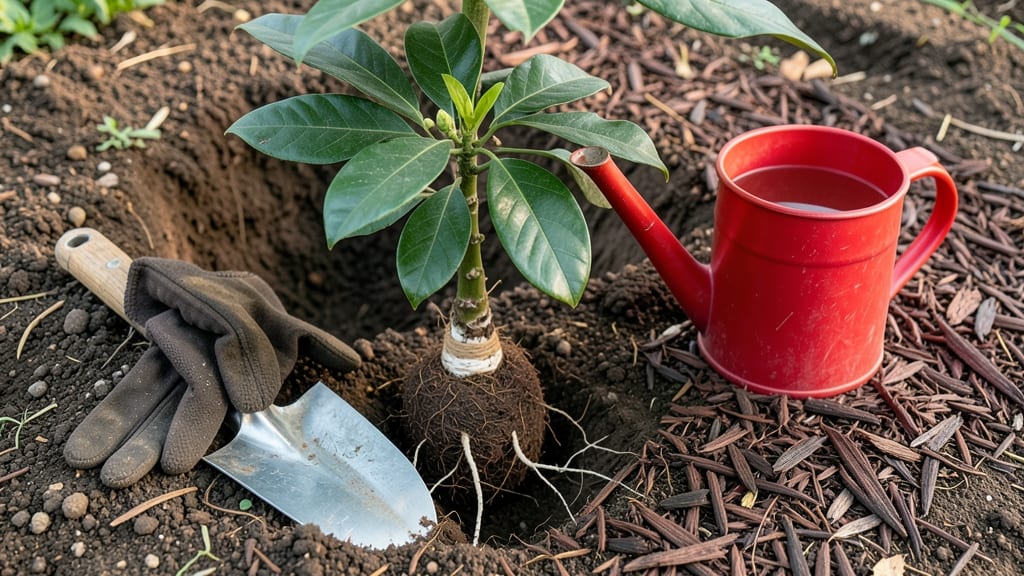
Planting your 🥑 Avocado Tree in the ground at the wrong time can turn your dream of homegrown avocados into a frustrating gamble—especially when frost lurks just around the corner.
The difference between a thriving orchard and a struggling sapling often comes down to timing, and getting it right means avoiding stunted growth or even plant death in colder zones.
If you're in USDA Zone 9b or warmer, the ideal window stretches from late winter to early spring, but the real secret lies in waiting until after your last frost date—typically around March 15 in Zone 6.
For container growers transitioning to the ground, soil temperature matters just as much as calendar dates, and rushing the process can backfire.
What most gardeners miss is how microclimates—like coastal breezes or inland heat—can shift planting windows by weeks. A coastal avocado tree might thrive with an earlier start, while inland varieties need to wait for warmer soil to avoid root shock.
I’ll break down exactly how to read your local cues so you don’t fall into the common trap of planting too soon.
Ready to set your 🥑 Avocado Tree up for success? You’ll learn the precise months for your zone, soil prep hacks, and the warning signs that your timing is off. Let’s get those roots settled in the right way—for fruit that’s worth the wait.
Optimal planting months for avocado trees by USDA hardiness zones
Planting an avocado tree at the right time is critical—these subtropical beauties thrive in USDA Zones 9-11 where frost is rare, and soil stays warm year-round. In colder zones, they’ll struggle or die if planted too early.
The key is planting when soil temperatures exceed 60°F (15°C) and frost risk is zero for at least 6 weeks afterward.
Avocado trees need consistent warmth to establish roots before summer heat arrives. In Zone 9, you can plant as early as February, while Zones 10-11 offer a broader window from January to April.
The goal is to avoid heat stress during root establishment—planting too late means slower growth and weaker trees.
Here’s a zone-by-zone breakdown of the best months to plant avocado trees outdoors, accounting for frost risk, heat tolerance, and soil warmth:
| USDA Zone | Optimal Planting Month | Soil Temp Requirement | Frost Risk Window | Key Consideration |
|---|---|---|---|---|
| Zone 9a (20-25°F) | March-April | 60°F+ (15°C+) | Last frost: March 15 | Avoid late spring planting—summer heat arrives fast. |
| Zone 9b (25-30°F) | February-March | 60°F+ (15°C+) | Last frost: February 28 | Cooler microclimates may need mulch for root warmth. |
| Zone 10a (30-35°F) | January-February | 65°F+ (18°C+) | Minimal frost risk | Plant early to avoid summer drought stress. |
| Zone 10b (35-40°F) | December-January | 65°F+ (18°C+) | Frost-free year-round | Ideal for container-to-ground transitions. |
| Zone 11 (40°F+) | November-December | 70°F+ (21°C+) | No frost risk | Plant in cool season for slower, steadier growth. |
In Zone 9, aim for March-April to give roots time to establish before summer’s intense heat. Use a soil thermometer to confirm temperatures—roots won’t grow below 60°F (15°C).
In Zones 10-11, you have more flexibility, but planting in winter (Dec-Feb) avoids the hottest months when young trees struggle.
If you’re transitioning from a container to the ground, plant when soil is warm but not scorching—typically early spring in Zone 9 or late fall in Zone 11.
Waterlogged soil is deadly for avocados, so amend with sand or perlite if your native soil drains poorly. A well-draining, slightly acidic soil (pH 6.0-7.0) is non-negotiable.
Watch for heat stress signs like yellowing leaves or wilting after planting—these mean the tree is struggling. In Zone 9, provide afternoon shade for the first 2-3 weeks.
Mature avocado trees handle heat well, but young saplings need protection until their root systems mature. Mulch with wood chips to retain moisture and regulate soil temperature.
Timing also affects fruit production. Trees planted in optimal months (as shown above) typically bear fruit in 3-5 years, while those planted outside the window may take 7+ years—or never fruit at all.
For dwarf varieties, follow the same zone guidelines but plant 1-2 months earlier to maximize their smaller root systems’ efficiency.
Pro tip: In Zone 9, avoid planting after May 1st—summer’s brutal heat can shock newly planted trees. Instead, opt for container growing and move outdoors in spring. Always water deeply at planting to encourage root spread into warm soil.
With the right timing, your avocado tree will thrive and reward you with homegrown fruit in just a few years! 🌱
How to adjust planting timing for coastal vs inland microclimates
Coastal and inland regions create dramatically different growing conditions for your avocado tree. Coastal areas benefit from moderate temperatures and high humidity, while inland zones experience greater temperature swings and drier soils. These microclimate differences directly impact your planting window and long-term success.
For example, coastal Zone 10 gardens might plant as early as January, while inland Zone 10 areas should wait until March to avoid heat stress.
Humidity plays a crucial role too. Coastal avocado trees thrive in 60-80% humidity, which helps prevent leaf scorch during summer. Inland trees, however, face drier air and require extra mulching to retain moisture.
The soil also behaves differently: coastal soils stay moist longer after rain, while inland soils dry out 30-50% faster, demanding deeper watering schedules. These factors all influence when you should plant your avocado sapling.
| Factor | Coastal Regions | Inland Regions |
|---|---|---|
| Planting Window | Jan-Mar (Zone 10) Feb-Apr (Zone 9) |
Feb-Apr (Zone 10) Mar-May (Zone 9) |
| Soil Temperature | Warms quickly (60°F+ by Jan) | Slower warming (wait for 65°F+) |
| Humidity Impact | High (60-80%) reduces stress | Low (30-50%) needs extra mulch |
| Watering Needs | Every 7-10 days (moist air) | Every 5-7 days (dry air) |
| Frost Risk | Minimal (cooler nights) | Higher (wait for stable warmth) |
For coastal gardeners, focus on planting during late winter when daytime highs reach 65°F+. The ocean breeze provides natural temperature moderation, reducing heat stress risks. Inland areas should target early spring after the last frost date and when soil temperatures exceed 68°F at 6 inches deep.
Use a soil thermometer to verify—cold soil can stunt root development for 6+ weeks.
Another key difference is wind exposure. Coastal avocado trees often face salty sea breezes, which requires regular leaf rinsing to prevent chlorosis. Inland trees, meanwhile, may struggle with hot afternoon winds that dry leaves quickly.
If you're near the coast, choose wind-resistant varieties like 'Hass' or 'Fuerte', and plant near a windbreak hedge if possible. Inland plantings benefit from drip irrigation to maintain consistent moisture.
Don't overlook the post-planting care adjustments needed for each microclimate. Coastal trees need less frequent watering due to higher humidity, while inland trees require deep, infrequent watering to encourage deep root growth.
Both benefit from a 3-inch layer of mulch, but inland mulch should extend 12 inches from the trunk to combat dry conditions. Monitor your tree's leaf color—coastal trees may show yellowing from salt, while inland trees often exhibit brown tips from drought.
When in doubt, observe your local avocado orchards—their planting schedules reflect proven success in your microclimate. Coastal nurseries often sell younger trees because they can plant earlier, while inland nurseries may offer larger, established saplings due to delayed planting.
Adjust your expectations accordingly, and remember: patience pays off with avocado trees, whether you're coastal or inland. 🌱