
Plants
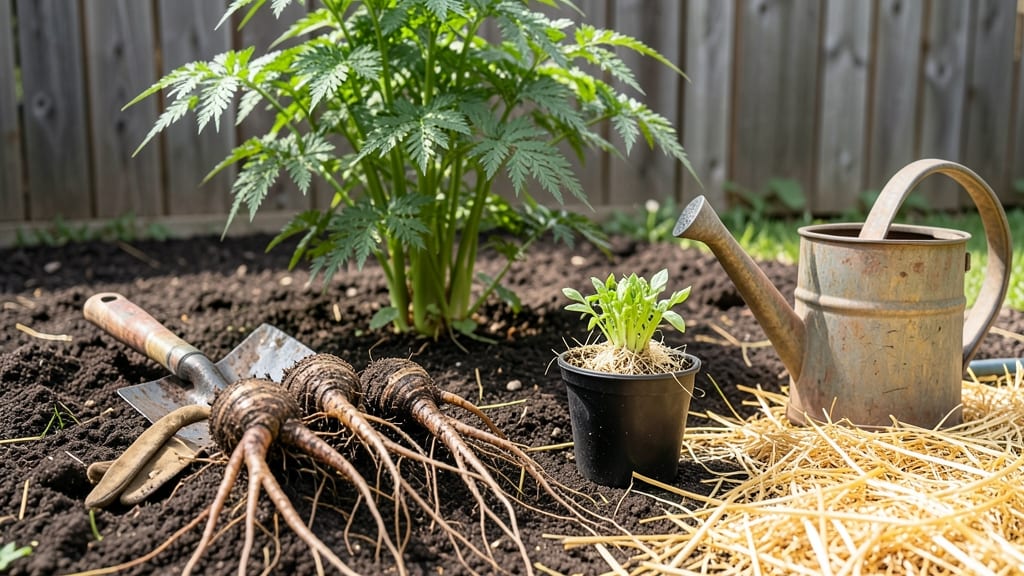
Planting asparagus in Zone 6 at the wrong time means waiting years longer for your first harvest—because this perennial veggie needs patience and precision to thrive. Unlike fast-growing greens, asparagus crowns must establish deep roots before they’ll reward you with spears, and getting the timing right is everything.
Most gardeners in Zone 6 rush to plant as soon as the ground feels workable, but that’s a recipe for stunted growth. The key is waiting until soil temperatures hit 50°F—typically late March to early April—when frost risk has faded but summer’s heat hasn’t yet arrived.
This window gives crowns the perfect head start without stressing them.
I’ll show you exactly how to time your planting for bold, fast crown growth, including soil prep tricks to speed up root development and avoid common mistakes that derail first-year success.
Whether you’re a beginner or a seasoned gardener, these insights will help you skip the waiting game and enjoy homegrown asparagus sooner.
From adjusting for microclimates to recognizing when your soil is truly ready, you’ll learn the game-changer details that separate a mediocre patch from a thriving asparagus bed. Let’s get those crowns in the ground the right way—so you can harvest like a pro in just a couple of years.
Optimal planting windows for asparagus in Zone 6 (microclimate variations)
Asparagus crowns need consistent soil temperatures between 50°F and 60°F to establish roots before emerging spears face frost damage.
In Zone 6, this narrow window often falls between late March and mid-April, but your exact timing depends on local microclimates—whether you're in a cold pocket or an urban heat island. Planting too early risks frost-killed shoots, while waiting too long delays harvest by years.
Zone 6 spans a 1,200-mile width with dramatic temperature swings. For example, Chicago's last frost averages April 15, while Charlottesville's is April 5. Even within cities, wind-exposed slopes can be 5°F colder than sheltered garden beds. Adjust your planting date by 1-2 weeks based on these microclimate factors.
Here’s how to match your local conditions to the best planting window:
| Microclimate Type | Soil Temp Trigger | Planting Window | Frost Risk Adjustment |
|---|---|---|---|
| Cold Pocket (North-facing, windy) | 55°F+ for 7+ days | April 1–15 | Wait until daffodils bloom |
| Urban Heat Island (Pavement, buildings) | 50°F+ for 5+ days | March 15–April 1 | Use frost cloth if nights dip below 28°F |
| Standard Garden Bed (Average Zone 6) | 52°F+ for 5+ days | March 20–April 10 | Plant after last frost date |
| South-facing, Sheltered | 48°F+ for 3+ days | March 1–15 | Cover with mulch for extra warmth |
For early Zone 6 variants (e.g., Milwaukee, Detroit), aim for March 20–April 5 when soil reaches 52°F. In mid-Zone 6 (e.g., St. Louis, Washington, D.C.), shift to April 1–15 to avoid late frosts. Late Zone 6 areas (e.g., Raleigh, Richmond) can plant as late as April 15–30 thanks to warmer springs.
Use a soil thermometer to verify readiness—6 inches deep is critical for root zone warmth.
If your soil stays below 50°F after April 15, wait until May 1 and use row covers to protect emerging shoots. Never plant before March 15—cold soil slows root growth, leaving crowns vulnerable to rot.
Microclimates also affect first-year harvest potential. Plants in urban heat islands may produce spears 2–3 weeks earlier than those in cold pockets, but overheated soil (above 70°F) can stress roots. Test soil moisture weekly—consistent dampness (not soggy) is key for establishing a strong root system before harvest year.
Pro tip: Plant asparagus near perennial herbs like thyme or rosemary—their shallow roots won’t compete, while their aromatic oils deter asparagus beetles. Avoid planting near potatoes or tomatoes, which share diseases like verticillium wilt. Rotate beds every 3–4 years to prevent soil depletion.
After planting, mulch heavily with straw or shredded leaves to maintain even soil temps. In windy exposures, create a windbreak with burlap or evergreens to reduce temperature swings.
With the right timing, your Zone 6 asparagus will reward you with 20+ years of harvests—starting as early as Year 2 if planted correctly.
Remember: Patience is key—asparagus crowns take 2–3 years to mature, but proper planting timing cuts that wait by 30–50%. Start small with 3–5 crowns to test your microclimate’s ideal window before expanding. 🌱
Signs your Zone 6 soil is ready for asparagus (beyond the calendar)
Relying on a calendar to plant asparagus in Zone 6 can backfire—especially when your microclimate behaves differently than the averages. Instead, watch for these soil readiness cues that tell you the ground is primed for those 1-year-old crowns.
These signs help you avoid planting too early (and risking frost damage) or too late (and delaying harvests).
First, check the soil temperature at a depth of 4 inches—it should consistently reach 50°F (10°C) during the day. Use a soil thermometer for accuracy, as surface temps can be misleading.
This warmth signals that the root zone has thawed enough for asparagus crowns to establish without shock. If your soil stays below this threshold, wait another week.
Next, observe your garden’s companion plants. When daffodils and crocuses finish blooming, it’s often time to plant asparagus. These bulbs thrive in similar conditions and bloom when the soil is warm enough for asparagus roots to spread.
Another clue: peony buds should be swollen but not yet open—this aligns with the ideal early April window in most of Zone 6.
- ✅ Soil temp: 4" depth reaches 50°F+ consistently (use a thermometer).
- ✅ Frost risk: Last frost date has passed (check local records).
- ✅ Companion blooms: Daffodils and crocuses have finished flowering.
- ✅ Peony buds: Swollen but not yet open (ideal timing cue).
- ✅ Thaw depth: Soil is workable to 12" depth (no icy pockets).
Don’t overlook the thaw depth of your soil. Stick a shovel into the ground—if the soil crumbles easily to a depth of 12 inches without icy resistance, your asparagus crowns will have room to spread their roots.
If the ground is still compact or cold, wait until it warms further. This step is critical for Zone 6’s variable springs, where cold snaps can linger into April.
Finally, prep your soil by adding well-rotted compost and a balanced fertilizer (like 5-10-10) to the planting trench. Asparagus thrives in sandy loam with a pH of 6.5–7.5. Work in organic matter to improve drainage, as waterlogged soil can rot crowns.
A 2-inch layer of mulch after planting helps retain moisture and suppress weeds—critical for the first 2 years when roots establish.
By combining these soil readiness signs with your local frost data, you’ll plant asparagus at the perfect moment—setting the stage for spears in Year 2 instead of Year 3. The key is patience: let the soil tell you when it’s ready, not the calendar. 🌱