
Plants
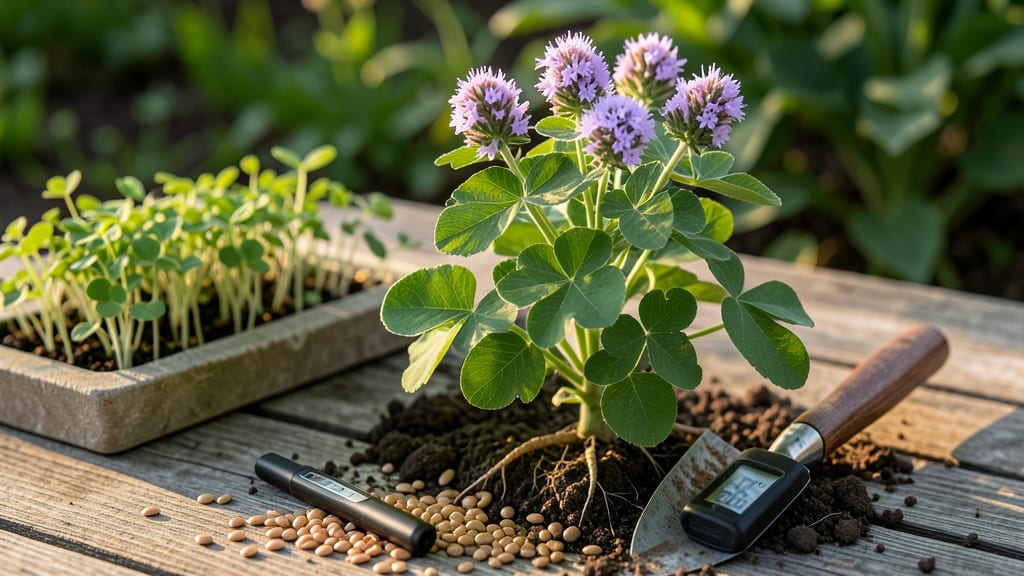
Planting alfalfa in Missouri at the wrong time means watching your high-protein crop struggle through frost or fail to establish roots before summer heat sets in. The key to success? Timing it right—whether you're sowing in early spring or late summer—so your 🌱 thrives in the Show-Me State's unique climate.
Missouri's 5b-6b hardiness zones give you a narrow window to work with, especially since last frost typically hits around March 15. But don't let that scare you—with the right approach, you can outsmart the weather and get your alfalfa off to a flying start.
I'll show you exactly when to plant for maximum yields, whether you're in St. Louis or rural farmland.
Spring planting (March-April) gives your alfalfa a head start, but late summer (August) can also work—if you get the soil temperature just right. We'll cover the ideal soil temps (50–60°F) and how to prepare your field for either season, so you're not guessing whether your seeds will survive or wither.
Ready to grow lush, productive alfalfa that stands up to Missouri's challenges? Let's break down the science behind planting dates, soil prep, and regional adjustments so you can harvest those nutrient-rich stems like a pro.
Optimal planting windows in Missouri: frost dates, soil temps & regional variations
Missouri’s USDA Zones 5b-6b create a unique challenge for alfalfa growers—balancing early springs with late frosts while maximizing high-protein forage yields. The key isn’t just avoiding frost; it’s planting when soil temperatures hit 50–60°F consistently, which varies dramatically between St. Louis, Kansas City, and rural areas.
Let’s break down the optimal planting windows for your specific region.
Alfalfa thrives in Missouri’s 180-day frost-free season, but your exact last frost date (March 15) and first frost date (November 15) can shift by 1–2 weeks depending on elevation and urban heat islands.
For example, St. Louis (Zone 6a) often warms up 7–10 days earlier than Kansas City (Zone 5b), while rural southern Missouri may see longer growing windows due to milder winters.
Here’s the critical rule: Plant alfalfa when soil temperatures reach 50°F at 4-inch depth—this ensures rapid germination and root establishment. In Missouri, this typically aligns with mid-March to early April for spring planting, but late August is ideal for fall establishment to avoid winter kill.
Missouri’s regional microclimates demand tailored timing. Urban areas like St. Louis can plant 1–2 weeks earlier than rural zones, while northern Missouri may need to wait until April 15 to avoid late frosts. Always check your local USDA frost maps or use Missouri Extension’s planting calendar for precision.
Soil preparation is just as critical as timing. Alfalfa hates waterlogged soil, so test your drainage before planting. Aim for well-drained loam with a pH of 6.5–7.5.
If your soil is heavy clay, amend with compost or sand to improve aeration—this is especially important in southern Missouri’s wetter regions.
| Region | Spring Planting Window | Fall Planting Window | Soil Temp Threshold | Key Risk |
|---|---|---|---|---|
| St. Louis (Zone 6a) | March 1–15 | August 15–31 | 50–60°F (4" depth) | Late frosts (April) |
| Kansas City (Zone 5b) | March 15–April 1 | August 20–September 5 | 50–60°F (4" depth) | Winter kill risk |
| Rural Southern MO (Zone 6b) | February 28–March 10 | August 1–15 | 55–65°F (4" depth) | Flooding (spring) |
| Northern MO (Zone 5a) | April 1–15 | September 1–15 | 55–65°F (4" depth) | Short growing season |
For spring planting, Missouri growers often use staggered sowing to extend harvest windows. Start with 10% of your seed in early March, then add another 20% by April 1 to ensure continuous forage production.
This strategy works especially well in St. Louis and southern Missouri, where earlier warm-ups allow for longer harvest seasons.
Fall planting is riskier but can yield higher survival rates if timed correctly. Aim for late August in Zone 6a (St. Louis) or early September in Zone 5b (Kansas City).
The goal is to give seedlings 4–6 weeks of growth before first frost to establish deep root systems that survive winter.
Missouri’s USDA Plant Hardiness Zone map is your best friend
Spring vs. fall planting: which offers better yields in Missouri’s climate?
Deciding between spring and fall planting for alfalfa in Missouri boils down to balancing seedling survival and yield potential. Both seasons have unique advantages, but Missouri’s wet springs and early frosts can tilt the scales.
Let’s break down the trade-offs to help you choose the best timing for your high-protein forage goals.
Spring planting (March–April) aligns with Missouri’s soil warming trend, giving seedlings a head start before summer heat. However, excessive rainfall in April can delay germination or cause seed rot.
Fall planting (August–September), on the other hand, lets alfalfa establish roots before winter, but early frosts in November risk stunting growth. Your choice depends on your local microclimate and risk tolerance.
Missouri’s USDA Zones 5b-6b mean frost dates vary wildly—St. Louis averages its last frost by March 15, while northern regions like Kansas City may see frost until April 15. This variability makes fall planting riskier in colder zones but can be ideal in warmer southern Missouri where winters are milder.
Spring Planting (March–April)
✅ Faster initial growth
✅ Higher first-cutting yields
✅ Avoids fall frost risks
❌ Seed rot risk in wet springs
❌ Slower establishment in cool soils
❌ Higher water needs early on
Fall Planting (August–September)
✅ Stronger root development before winter
✅ Lower pest pressure
✅ Cooler temps reduce water stress
❌ Risk of winter kill in Zone 5b
❌ Slower spring regrowth
❌ Limited time for fall harvests
For maximum yields, many Missouri farmers opt for spring planting in southern regions (like Sedalia or Cape Girardeau) where winters are shorter. In northern Missouri (e.g., Columbia or Kirksville), fall planting can be safer if you use frost blankets or warm-season cover crops to protect young plants.
Pro tip: If you’re unsure, try a staggered approach—plant 1/3 in spring and 2/3 in fall. This hedges your bets against unpredictable weather while ensuring a steady supply of high-protein forage year-round. Just monitor soil temps closely; alfalfa seeds need 50–60°F soil to germinate reliably.
Remember, Missouri’s short growing season (about 180 frost-free days) means every week counts. Whether you choose spring or fall, soil prep and drainage are your best tools for success—especially in clay-heavy soils common across the state. 🌱