
Plants
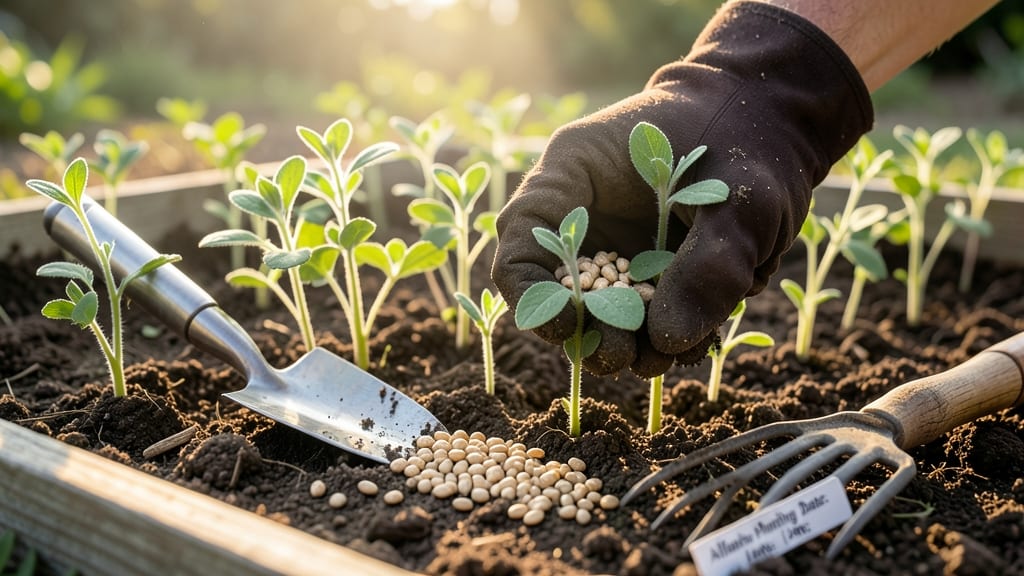
If you're wondering when to plant alfalfa in Indiana, timing is everything—get it wrong, and you could waste seeds or stumble into stunted growth. Indiana's climate varies dramatically from northern Lake County to southern Gibson County, so a one-size-fits-all approach won’t cut it.
For most of the state, including USDA Zone 6a, the sweet spot is early spring—right after the last frost, typically between March and April. But late summer planting in August also works for those aiming to establish a fall crop.
The key is avoiding frost, which can kill young seedlings, and ensuring soil temperatures hit at least 50°F for germination.
I’ve broken down the exact frost-free windows by county heat zones, so you’ll know whether to plant in February (for early bloomers) or wait until May (for late zones).
Plus, I’ll share soil prep tips to give your alfalfa the best start—because even the right timing won’t help if the ground is too cold or waterlogged.
Ready to maximize your yield? Let’s dive into the best planting strategies tailored to Indiana’s microclimates, from northern chill to southern heat. You’ll learn how to adjust for your specific location and avoid common pitfalls that trip up even experienced growers.
Indiana’s alfalfa planting timeline by USDA heat zone
Indiana’s alfalfa planting success hinges on timing—especially since the state spans USDA zones 5a through 6b. Each zone has a distinct frost-free window, and planting outside these ranges risks poor germination or winter kill.
For northern Indiana (zones 5a–5b), aim for early spring, while southern Indiana (zones 6a–6b) can extend windows into late spring or even late summer.
The last average frost date in Indiana typically falls between April 15 (north) and May 1 (south). However, microclimates near lakes or urban areas can shift these dates by 1–2 weeks. Always check your local USDA frost map or consult your Indiana County Extension office for precision.
Here’s how to align your alfalfa planting with Indiana’s heat zones for maximum yield and hardiness:
| USDA Zone | Last Frost Date | Ideal Planting Window | Late Planting Window | Key Notes |
|---|---|---|---|---|
| 5a (North: Lake, Porter) | April 15–20 | March 15–April 10 | August 1–15 (late summer) | Cold-hardy varieties; risk of frost damage if planted late spring. |
| 5b (Central: Allen, Kosciusko) | April 20–25 | March 20–April 15 | August 10–25 | Balanced window; avoid planting after August 25. |
| 6a (Southwest: Gibson, Posey) | April 25–May 1 | March 25–April 30 | August 25–September 10 | Extended late summer window; drought-tolerant varieties recommended. |
| 6b (Extreme South: Clark, Floyd) | May 1–5 | April 1–May 10 | September 1–15 | Warm-season varieties thrive; avoid fall planting after September 15. |
🌱 Pro Tip: Soil temps should reach 50°F+ for 2+ weeks before planting.
For spring planting, focus on March–April to ensure alfalfa establishes roots before summer heat. In late summer, plant between August 1–September 10, depending on your zone. This second window allows alfalfa to grow 4–6 weeks before the first frost, giving it a head start for next year.
Soil preparation is critical. Test your soil’s pH (6.5–7.0) and add lime if needed. Alfalfa thrives in well-drained, slightly acidic soil. Work in 2–3 inches of compost before planting to improve fertility. Avoid heavy clay soils, which can suffocate roots.
If you’re planting alfalfa for hay or forage, prioritize early spring for the first cutting. Delayed planting may reduce first-year yield by up to 30%. Use a seed drill for even spacing (1/4 inch deep) and aim for 15–20 lbs of seed per acre.
Watch for soil moisture after planting—keep seeds consistently moist until germination (7–14 days). Once established, alfalfa is drought-tolerant, but young plants need 1 inch of water weekly during dry spells. Mulch lightly with straw to retain moisture and suppress weeds.
Northern Indiana growers should avoid fall planting due to shorter growing seasons, while southern counties can push into early September. Always monitor weather forecasts—a late frost in May can devastate young seedlings. For insurance, plant 1–2 weeks earlier than your zone’s average last frost date.
Remember: alfalfa is a perennial, meaning it returns each year. Proper timing now means 3–5 years of forage production with minimal replanting. Adjust your schedule based on local weather patterns—some years, a 2-week shift can mean the difference between success and failure.
Indiana’s alfalfa planting timeline by USDA heat zone
Indiana spans USDA hardiness zones 5a through 6b, meaning your alfalfa planting window can vary by up to 3 weeks depending on where you live. Northern counties like Lake County (Zone 5a) have a shorter frost-free season than southern counties like Gibson County (Zone 6b).
Timing your planting correctly ensures strong root establishment before summer heat sets in.
For optimal alfalfa growth, aim to plant seeds when soil temperatures reach 50°F (10°C) and stay consistently above freezing. In most of Indiana, this means early spring (March–April) or late summer (August) for a fall harvest.
The key is avoiding frost damage while giving seedlings enough time to mature before winter.
| USDA Zone | Counties | Last Frost Date | Ideal Planting Window | Notes |
|---|---|---|---|---|
| 5a | Lake, Porter, Steuben | April 20–May 1 | April 15–May 10 | Wait for soil to warm; use black plastic mulch to speed up ground temps. |
| 5b | Elkhart, Kosciusko, Noble | April 10–April 20 | April 1–April 20 | Early spring planting preferred; late summer option works for fall growth. |
| 6a | Boone, Hamilton, Marion | April 1–April 10 | March 20–April 15 | Longer growing season; can plant as early as late February in protected microclimates. |
| 6b | Gibson, Posey, Spencer | March 20–March 31 | March 1–March 20 | Southern Indiana’s warmer climate allows for earlier planting; drought-resistant varieties recommended. |
If you miss the spring window, don’t worry—late summer planting (August) works well for a fall harvest. Just ensure seeds are in the ground 6–8 weeks before the first frost (typically mid-September for most of Indiana). This gives seedlings time to establish roots before winter dormancy.
For northern Indiana gardeners, consider using a seed warmer or row covers to extend the growing season. In southern Indiana, prioritize drought-resistant varieties like ‘Dakota’ or ‘Indiana’ to handle hotter summers. Always test your soil’s pH (6.5–7.0) and add lime if needed before planting.
Pro tip: Plant alfalfa seeds ¼ inch deep and space them 10–15 inches apart for optimal growth. Overcrowding leads to poor air circulation, increasing the risk of fungal diseases like leaf spot. Mulch lightly with straw to retain moisture without smothering young shoots.
🌱