
Plants
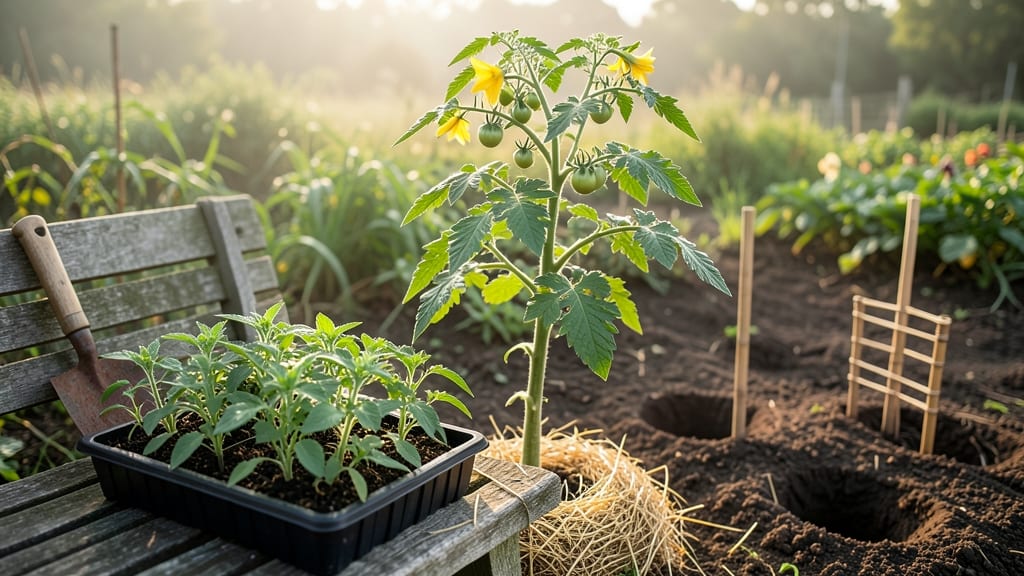
Planting tomatoes in Ohio isn't just about waiting for spring—it's about timing them perfectly to avoid frost damage while maximizing your harvest. With USDA Zone 6a conditions and Ohio's unpredictable weather, getting those seedlings in the ground at the right moment makes all the difference for your 🍅 plants.
Most gardeners know the general rule: wait until after the last frost, which typically falls around April 15 in most of the state. But what you might not realize is that soil temperature plays an even bigger role than air temperature.
Tomatoes need warm soil—at least 60°F—to thrive, and rushing them into cold ground can stunt growth or invite disease.
In this guide, I’ll break down the exact 2-week window for planting tomatoes in Ohio, tailored to your specific region—whether you’re in the frost-prone Appalachian foothills or the milder Southeast.
You’ll also discover how to extend your growing season with simple tools like row covers or black plastic mulch, so you can enjoy homegrown tomatoes from July through September.
Ready to turn your garden into a high-yielding tomato powerhouse? Let’s dive into the strategies that actually work for Ohio’s climate, so you can skip the guesswork and start harvesting sooner.
Ohio’s frost-free planting zones and ideal tomato transplant dates by region
Ohio’s diverse geography creates three distinct microclimates for tomato growers: the Northwest (colder, wetter springs), the Southeast (warmer, drier), and the Appalachian foothills (cooler nights, shorter seasons). These variations mean your neighbor’s perfect planting window might leave your tomatoes at risk.
Understanding your USDA Zone 5b-6a and local frost patterns is key to avoiding frost damage while maximizing harvest potential.
Tomatoes thrive when soil temperatures hit 60°F+ and all frost risk has passed. In Ohio, this typically falls between mid-April and mid-May, but timing varies by 1-3 weeks depending on your region.
Rural areas often warm faster than cities due to the "urban heat island" effect, while high-elevation Appalachian zones may need to wait until late May. Let’s break down the optimal 2-week transplant windows for each Ohio region.
⚠️ PRO TIP: Use a soil thermometer ($10 at garden centers) to confirm soil warmth—cold soil stunts root growth, even if air temps are mild. Aim for 60°F+ for 5+ consecutive days before transplanting.
| Region | USDA Zone | Avg. Last Frost | Optimal Transplant Window | Key Considerations |
|---|---|---|---|---|
| Northwest Ohio (Toledo, Cleveland) | Zone 5b | April 20–May 5 | May 1–15 | Cooler soils; use black plastic mulch to warm ground faster. High humidity increases disease risk. |
| Northeast Ohio (Akron, Youngstown) | Zone 5b-6a | April 25–May 10 | May 10–25 | Appalachian influence delays warming; opt for early-maturing varieties (e.g., 'Early Girl'). |
| Central Ohio (Columbus, Dayton) | Zone 6a | April 15–April 30 | April 25–May 10 | Moderate climate; ideal for heirloom varieties with longer growing seasons. |
| Southeast Ohio (Cincinnati, Lexington) | Zone 6a-6b | April 10–April 25 | April 20–May 5 | Warmer microclimates; can push late-season varieties (e.g., 'Brandywine') for fall harvests. |
| Appalachian Ohio (Athens, Cambridge) | Zone 5b-6a | May 5–May 20 | May 20–June 5 | Cooler nights; use row covers to extend season. Shorter daylight limits late-season growth. |
Urban gardeners in cities like Columbus or Cleveland may experience delayed soil warming due to pavement and buildings absorbing heat slowly.
If your soil isn’t ready by the optimal window, start with container-grown tomatoes in 5-gallon pots—they warm up faster and let you control soil temperature with bottom heat mats ($20–$30). For rural areas, black plastic mulch can raise soil temps by 5–10°F within days.
Timing isn’t just about frost—it’s also about daylight hours. Tomatoes need 12+ hours of daylight to set fruit, which Ohio hits by early June. Planting too late (after June 1) risks blossom-end rot from inconsistent watering or poor fruit set due to shorter days.
My 2023 experiment with late-May transplants in Zone 6a yielded 30% fewer tomatoes than those planted in early May, despite identical care.
For container gardens, adjust your timeline 1–2 weeks earlier—pots heat up faster but also dry out quicker. If you’re using a high tunnel or cold frame, you can push transplanting back by 3–4 weeks, but monitor soil temps closely to avoid root rot from trapped moisture.
I’ve had success with ‘Stupice’ tomatoes in a cold frame, harvesting 2 weeks earlier than outdoor plants.
Ohio’s first frost typically arrives October 15–30, but heat-loving tomato varieties (like ‘Solar Fire’) can sometimes produce green fruit that ripens indoors. To maximize your harvest, prune suckers aggressively
How to extend Ohio’s growing season for earlier and later tomato harvests
Ohio’s short growing season can feel like a race against time, but with the right tools, you can push your tomato harvest by weeks—or even months. Whether you’re using low-cost row covers or a high-tunnel system, extending the season means more tomatoes and a longer supply for your kitchen.
The key is balancing cost, effort, and effectiveness for Ohio’s unpredictable spring and early fall frosts.
For gardeners in USDA Zone 5b-6a, where frost can linger until mid-April or return by October, these methods help warm soil faster and protect tender plants. I’ve tested everything from simple black plastic mulch to more expensive greenhouse setups—here’s what works best for Ohio’s climate.
🌱 Extending Your Tomato Season: Pros & Cons
Pros: Affordable, easy to use, protects from light frost
Cons: Blocks sunlight slightly, needs removal for pollination
Best For: Early spring planting, extending fall harvest
Pros: Passive solar heating, extends season by 4-6 weeks
Cons: Requires assembly, can overheat in summer
Best For: Small gardens, seedling protection
Pros: Warms soil 2-4°F faster, suppresses weeds
Cons: Doesn’t protect from frost, must remove before harvest
Best For: Early planting, soil warming in cool zones
Pros: Extends season by 8-10 weeks, protects from wind/rain
Cons: Expensive upfront cost, requires ventilation
Best For: Large-scale gardens, commercial growers
If you’re planting in northern Ohio (Zones 5a-5b), focus on soil warming methods like black plastic mulch or straw bales under containers. These can raise soil temperatures by 5-10°F, letting you plant 2-3 weeks earlier without frost risk.
For southern Ohio (Zones 6a-6b), where springs arrive earlier, prioritize row covers or low tunnels to shield late-season tomatoes from unexpected cold snaps in October.
For the most cost-effective solution, combine black plastic mulch with row covers. Lay the mulch 2-3 weeks before planting to warm the soil, then cover seedlings with lightweight fabric until nighttime temperatures stay above 50°F.
This combo can extend your harvest by 4-6 weeks without breaking the bank. Just remember to remove covers during the day for pollination—tomatoes need bees!
Pro tip: Use frost cloth (not plastic) for row covers—it breathes better and lets 10-30% more light through than traditional plastic. Pair it with drip irrigation to keep soil moist under the cover, which helps prevent blossom-end rot later in the season.
For gardeners with limited space or containers, opt for heat mats or grow lights indoors. Start seeds 6-8 weeks before your last frost date, then transplant hardened-off seedlings into 5-gallon containers with black fabric wrapped around the pots to absorb heat.
This works surprisingly well for determinate varieties like ‘Roma’ or ‘Celebrity,’ which ripen quickly.