
Plants
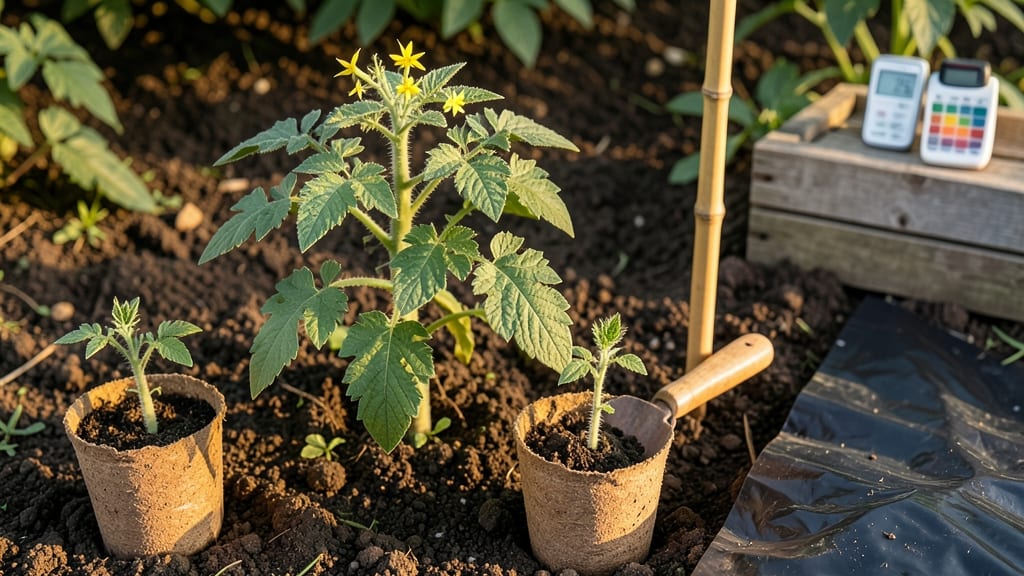
Planting tomatoes in Florida isn’t just about picking a date—it’s about catching the perfect soil warmth that triggers fast germination and strong starts. Too early, and your 🍅 seedlings risk stalling in cool soil; too late, and you’ll miss peak harvest windows before summer heat sets in.
Here’s the secret: Florida’s frost-free zones (8a–11) let you plant year-round, but timing still matters. Whether you’re sowing seeds or transplanting, soil temperature—not just the calendar—dictates success. I’ll show you how to read the signs and adjust for your region’s microclimates.
From North Florida’s cooler springs to South Florida’s relentless summer sun, each zone has its own rhythm. You’ll learn the exact windows for early vs. late varieties, plus how to prep soil for faster growth and avoid common pitfalls like blossom-end rot.
Ready to grow juicier, more abundant tomatoes? Let’s dive into the science-backed strategies that turn Florida’s heat into your advantage—without the guesswork. Your harvest season starts now.
Florida tomato planting calendar by region: best dates for seed and transplant
Florida’s three distinct climate zones (North, Central, South) mean your tomato planting schedule should align with local frost risks and heat patterns. North Florida’s cooler winters (Zone 8a) demand earlier starts, while South Florida’s tropical Zone 11 allows year-round planting with strategic timing to avoid summer’s brutal heat.
For North Florida (Jacksonville, Gainesville), aim for February-March transplants or January-February seeds indoors. The last frost typically hits January 15, so rush transplants after this date. July-August offers a second window for heat-tolerant varieties like 'Heatmaster'.
Central Florida (Orlando, Tampa) gardeners have more flexibility—start seeds February-March or transplant March-April. The no-frost guarantee by mid-March lets you push earlier starts. Succession plant every 2 weeks through June for continuous harvests.
South Florida (Miami, Fort Lauderdale) enjoys frost-free growing year-round, but summer’s 90°F+ temps require shade cloth. Plant January-February for spring harvests or July-August for fall yields. Avoid peak June-July heat—opt for heat-tolerant cherry tomatoes instead.
| Region | Best Transplant Window | Seed Start Indoors | Second Planting Window | Key Challenge |
|---|---|---|---|---|
| North Florida (Zone 8a) | March 15–April 15 | January–February | July 15–August 15 | Late frosts |
| Central Florida (Zone 9a) | February 15–March 30 | January–February | June 15–July 15 | Humidity & pests |
| South Florida (Zone 10b-11) | January–February | Year-round (shaded) | July–August | Extreme summer heat |
Direct-seeding tomatoes 1-2 weeks after your transplant window speeds up maturity. For North Florida, sow seeds March 1-April 15; Central Florida can start February 28-March 30. South Florida gardeners can direct-seed year-round but prioritize shade cloth during June-August.
Pro tip: Use black plastic mulch to warm soil faster—this lets you plant 2-3 weeks earlier in cooler zones. Pair it with row covers for frost protection in North Florida’s early spring.
Container growers in urban areas (like Miami or Tampa) can plant anytime but must use 5-gallon+ pots and heat-tolerant varieties. Move pots to partial shade during 3 PM–6 PM in summer to prevent sunscald.
Remember: Florida’s humidity and pests (like hornworms) thrive in warm weather. Start with resistant varieties and monitor plants daily during peak growing months.
Soil temperature secrets: how to test and time planting for faster germination
Tomatoes love warmth, but soil temperature—not air temperature—determines whether your seeds will sprout or sit dormant. In Florida, this means waiting for the ground to hit 60°F (15°C) at least 1 inch deep.
Below this threshold, seeds may rot or germinate unevenly, wasting your time and resources. I’ve learned this the hard way after watching seedlings struggle in North Florida’s cool springs.
Your first clue? Check the air temperature at night. If it’s consistently above 50°F (10°C), your soil is likely warm enough. But don’t rely on guesswork—especially in Florida’s unpredictable spring weather. For example, a 70°F (21°C) daytime high can hide 55°F (13°C) soil, tricking you into planting too soon.
⚠️ callout warning ⚠️
Even in South Florida (Zone 10-11), unexpected cold snaps can drop soil temps below 60°F. Always monitor 7-day forecasts—especially in January-March. If frost is predicted, delay planting until temps stabilize or use row covers to protect young plants.
🌡️ Pro Tip: Use a soil thermometer for 3 days in a row to confirm consistency.
To test soil temperature accurately, grab a soil thermometer (digital or analog) and insert the probe 1 inch deep in full sun. Check readings at 9 AM and 3 PM for the most reliable data. No thermometer? Try the finger test: Press your finger into the soil.
If it feels cooler than your wrist, it’s not warm enough. For example, in Central Florida, I’ve seen soil hit 60°F by mid-February, while North Florida often waits until late March.
Need to speed up soil warming? Black plastic mulch raises temperatures by 5-10°F within days. Spread it over garden beds 1-2 weeks before planting. Another trick: Water the soil with warm (not hot) water from a sun-heated hose for a temporary boost.
Just avoid overdoing it—soil should stay moist but not soggy to prevent disease.
Slow germination in Florida? It’s often a moisture or temperature mismatch. If seeds sprout unevenly, check for compacted soil (loosen with a fork) or shallow planting depth (seeds need ½ inch of cover).
In humid South Florida, fungal issues can also delay sprouting—so avoid overhead watering and use sterilized seed-starting mix.
Once your soil hits 60°F+ consistently, act fast! Plant early varieties (like 'Celebrity') in February-March for spring harvests, and heat-tolerant types (like 'Solar Fire') in July-August for fall production.
Remember: Florida’s long growing season is your advantage—time your planting to avoid summer’s peak heat, which can stress plants and reduce fruit set.