
Plants
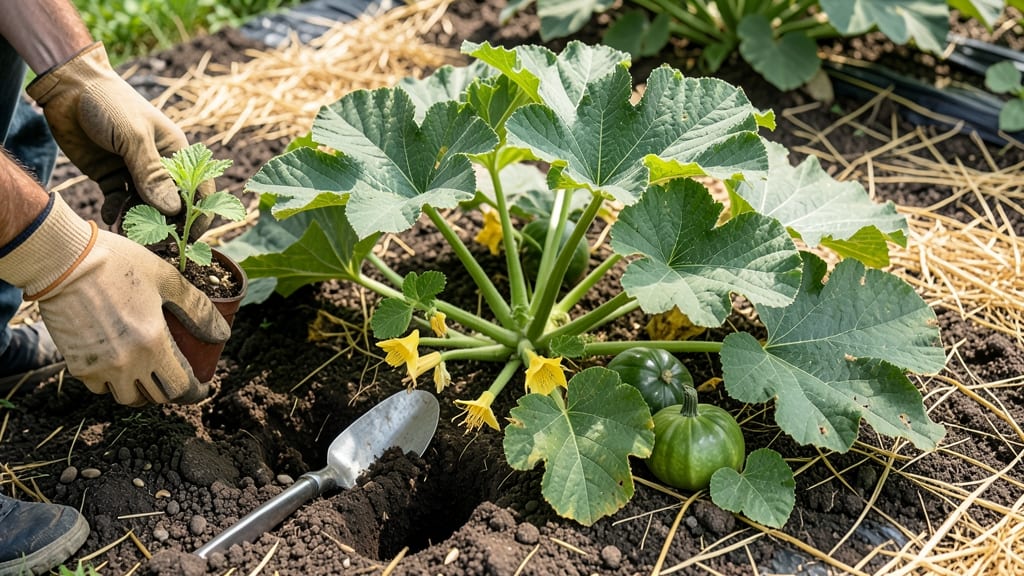
Planting pumpkins in Michigan isn't just about dropping seeds in the dirt—it's about beating the clock before frost steals your harvest. With USDA zones 5b-6b and unpredictable late springs, timing your 🎃 planting window can mean the difference between a bumper crop and a sad, wilted vine.
Most Michigan gardeners wait until mid-April to mid-May after the last frost, but soil temperature matters just as much as calendar dates. If you plant too early, cold soil slows germination, while waiting too long risks a shorter growing season.
The key is finding that sweet spot when soil hits 60-65°F—usually late May in many regions.
I’ve learned the hard way that direct sowing outdoors works best for most varieties, but starting seeds indoors in early April gives you a head start for faster-maturing pumpkins.
Whether you're growing ‘Howden’ for early harvests or ‘Atlantic Giant’ for a challenge, knowing your frost dates and soil conditions is the secret to success.
Ready to grow pumpkins that thrive in Michigan’s climate? Let’s break down the exact planting schedule, soil prep, and frost-proofing tips to ensure your vines spread wide and your harvests are plentiful—no matter how late spring decides to arrive.
Michigan pumpkin planting timeline: frost dates and soil temperature guide
Michigan’s USDA Zones 4-6 create unique challenges for pumpkin growers, where a single late frost can wipe out tender seedlings.
The key to success lies in understanding your last frost date—which varies dramatically from southern Michigan’s April averages to northern regions’ mid-May timelines—and ensuring your soil temperature stays above 60°F for consistent germination.
According to Michigan State University’s frost data, most of the state experiences its final spring frost between April 15 and May 15, with northern areas like Traverse City often seeing frost until May 20.
Meanwhile, southern cities like Detroit typically see their last frost by April 20. These dates aren’t set in stone—climate variability means you should track local forecasts and be ready to cover young plants if frost threatens.
Soil temperature is equally critical. Pumpkin seeds need consistent warmth of 60-65°F to sprout reliably. In Michigan, this usually aligns with late May for direct sowing, but earlier starts are possible with row covers or cold frames.
For transplanted seedlings, aim for soil temps above 65°F—typically early to mid-May in most regions.
Here’s how to calculate your exact planting window using MSU’s frost data:
| Region | Last Frost Date | Ideal Planting Window | Soil Temp Requirement | Risk of Early Planting |
|---|---|---|---|---|
| Southern Michigan (Detroit, Ann Arbor) | April 15-25 | Late April (under cover) or early May (direct sow) | 60-65°F | Frost damage to seedlings |
| Central Michigan (Lansing, Kalamazoo) | April 25-May 5 | Mid-May (direct sow) or early May (transplants) | 60-65°F | Slow germination in cold soil |
| Northern Michigan (Traverse City, Petoskey) | May 10-20 | Late May (direct sow) or early June (transplants) | 65°F+ | Shortened growing season |
| Upper Peninsula (Marquette, Houghton) | May 20-30 | Early June (direct sow) or late May (under cover) | 65°F+ | Limited harvest time before frost |
Planting too early in Michigan’s climate risks seed rot or frost damage, while waiting too long can result in immature pumpkins before the first frost in October.
The sweet spot is typically 2-4 weeks after your last frost date, giving vines 90-120 days to mature before cold weather sets in.
For fast-maturing varieties like ‘Jack Be Little’ (75 days), you can push planting dates slightly earlier, but always monitor soil temperatures with a soil thermometer. If temps dip below 55°F, germination slows dramatically, and seeds may fail to sprout.
In northern Michigan, consider starting seeds indoors in April and transplanting after Memorial Day for a reliable harvest.
Another critical factor is first frost timing, which typically arrives in mid-October in southern Michigan but can come as early as September in northern regions. This means your harvest window is tight—usually late September to early October.
To extend it, use black plastic mulch or row covers to warm soil and protect young plants from unexpected cold snaps.
Pro tip: If you’re growing giant pumpkin varieties like ‘Atlantic Giant’, you’ll need to start seeds indoors in March and transplant after Memorial Day to ensure they have enough time to reach maturity.
These varieties require 120+ days and benefit from extended season techniques like hoop houses or cold frames.
Remember, Michigan’s unpredictable weather means flexibility is key. Always have row covers or frost cloth on hand to protect young plants, and check MSU’s frost prediction maps for real-time updates. With the right timing
Step-by-step pumpkin planting schedule for Michigan gardens
Michigan’s short growing season demands precision when planting pumpkins. Whether you’re growing ‘Howden’ for early harvests or ‘Jack Be Little’ for compact vines, timing directly impacts your yield. The key? Planting after the last frost date—typically mid-April to early May—while ensuring soil temperatures reach 60-65°F for germination.
For Detroit’s USDA Zone 6a, aim for May 1-15; in Grand Rapids (Zone 5b), wait until May 10-25; and in Traverse City (Zone 5a), hold off until May 15-30 to avoid frost damage.
Direct sowing is best, but you can transplant seedlings if started indoors 2-3 weeks earlier.
📅 Michigan Pumpkin Planting Timeline
- March 15-30 (Indoor Start): Sow seeds 6-8 weeks before last frost in biodegradable pots for transplanting. Use a seed-heating mat to maintain 70-80°F soil.
- April 15-May 1 (Soil Prep): Test soil pH (6.0-7.0 ideal) and amend with compost. Lay black plastic mulch 2 weeks before planting to warm soil faster.
- May 1-15 (Detroit): Direct sow 2-3 seeds per hill, 1 inch deep, spacing hills 4-6 feet apart. Use row covers if nights dip below 50°F.
- May 10-25 (Grand Rapids): Plant after soil reaches 60°F. Thin seedlings to 1-2 strongest plants per hill. Apply balanced fertilizer (10-10-10) at planting.
- May 15-30 (Traverse City): Wait for consistent 65°F+ days. Use straw mulch to retain moisture. Monitor for squash vine borers—apply row covers if needed.
- June 15-August 1 (Care): Water deeply 2-3x/week (1-2 inches). Side-dress with compost tea every 4 weeks. Prune excess vines to improve airflow.
- September 1-October 15 (Harvest): Pick pumpkins when rind hardens and stems dry. Cure in sunny, dry space (80°F) for 10 days to extend storage.
Extending the season is easy with row covers or black plastic mulch. For late varieties, sow ‘Small Sugar’ in early June—it matures in just 75 days, perfect for Michigan’s short season.
Avoid planting too early; cold soil (below 50°F) causes seed rot and poor germination.
Pro tip: Use a soil thermometer to confirm readiness. If your area has late frosts, opt for fast-maturing varieties like ‘Cinderella’ (75 days) over slow growers like ‘Giant Dill’ (120+ days). With this schedule, you’ll beat Michigan’s first frost and enjoy a bountiful harvest!
🎃