
Plants
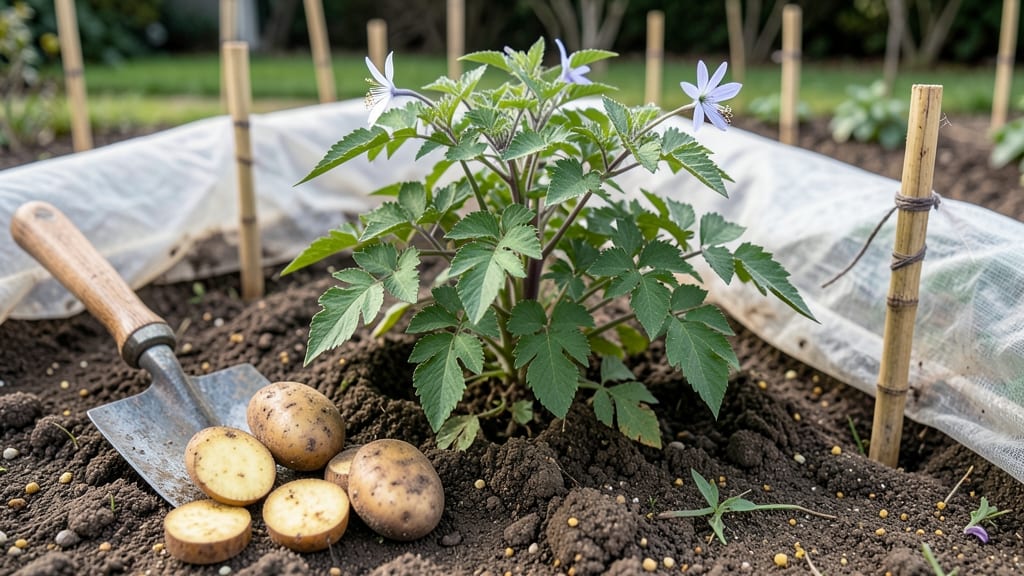
Planting potatoes in Pennsylvania at the wrong time can mean the difference between a bountiful harvest and a sad, bolting mess. The 4-6 week window before your last frost date isn't just a suggestion—it's the sweet spot to grow 🥔 that thrive from tuber to table.
With USDA zones ranging from 5b to 7a, Pennsylvania's microclimates create unique challenges. Too early, and your potatoes might rot in cold soil; too late, and you risk bolting before harvest. I'll show you exactly when to plant based on your specific region's frost dates and soil conditions.
Whether you're in the cooler Appalachian foothills or the warmer Susquehanna Valley, timing is everything. We'll cover early varieties that can handle late winter planting and late varieties that need precise spring timing to avoid common pitfalls.
By the end, you'll know not just when to plant, but how to adjust for your local conditions. Let's get those potatoes in the ground at the perfect moment for maximum yield and zero frustration.
Pennsylvania potato planting zones: exact dates by microclimate for zero-bolt success
Pennsylvania’s diverse microclimates create unique challenges for potato growers. The Appalachian foothills experience late frosts, while the Erie region warms faster—both can trigger premature bolting if planted incorrectly. Understanding your USDA Zone (5b-7a) and local frost patterns ensures tuber development instead of flower spikes.
Bolting occurs when potatoes sense warm soil temperatures (above 50°F) too early, redirecting energy to flowers instead of tubers. Pennsylvania’s last frost dates range from April 15 in the south to May 10 in the mountains.
Planting at the right time—when soil reaches 45°F—prevents this wasteful growth cycle.
For the Appalachian region, wait until mid-April to plant—earlier attempts risk frost damage to emerging sprouts. In contrast, the Erie region can start as early as mid-March thanks to its warmer lake-effect climate. Always check soil temperature with a probe; potatoes need consistent warmth to develop tubers.
Use row covers in colder zones to accelerate soil warming by 2-3 weeks. In the Piedmont, where last frosts average April 20, plant Yukon Gold by March 25 for a July harvest. Late varieties like Purple Viking can go in mid-April in the Ridge-and-Valley zone.
Monitor leaf color—healthy potato plants have deep green foliage. If you see yellowing leaves or flower spikes, your potatoes are bolting. This often happens when soil temps exceed 60°F before tubers reach 1 inch. Shade cloth can delay bolting by 10-14 days in unpredictable spring years.
In Zone 7a areas like the Susquehanna Valley, extend your season by planting successive crops every 2 weeks from
How to adjust planting dates for early vs. late varieties in Pennsylvania’s climate
Pennsylvania's short growing season demands smart potato planting strategies. Early varieties like Yukon Gold and Kennebec thrive in cooler temperatures, while late varieties such as Red Pontiac and Fingerlings need warmer soil to avoid bolting. Understanding these differences lets you maximize your harvest window.
Your planting window should align with soil temperatures of at least 45°F (7°C)—critical for sprouting. In Pennsylvania's USDA zones 5b-7a, this typically means starting 4-6 weeks before last frost, but exact timing varies by microclimate. Let's break down how to adjust for your specific variety.
Early Varieties (Cold-Hardy)
- ✅ Plant as early as late February in warm zones
- ✅ Tolerates 40°F soil for sprouting
- ✅ Faster 60-80 day harvest
- ❌ Limited tuber size potential
- ❌ Needs row covers in late spring
- ❌ Risk of disease in wet springs
Late Varieties (Heat-Tolerant)
- ✅ Larger tubers (2-4 inches)
- ✅ 90-120 day harvest window
- ✅ Better for late-season storage
- ❌ Needs warmer soil (50°F+)
- ❌ Risk of bolting if planted too early
- ❌ Shorter harvest window in cold zones
For Pennsylvania gardeners, I recommend using a 4-week planting window calculator based on your last frost date. Start with early varieties 4-6 weeks before last frost, then follow with late varieties 2-3 weeks after. This staggered approach ensures continuous harvests from July through September.
To extend your season in cooler zones, use row covers or cold frames to protect early plantings. These tools can add 2-4 weeks to your growing season, letting you plant even earlier without risking frost damage. Just remove covers when flowers appear to prevent overheating.
Remember, Pennsylvania's Appalachian regions (Zone 5b) need earlier planting than the Susquehanna Valley (Zone 7a). Adjust your timing by 1-2 weeks based on your specific microclimate. The key is matching your variety to your local conditions for maximum success.
🌱