
Plants
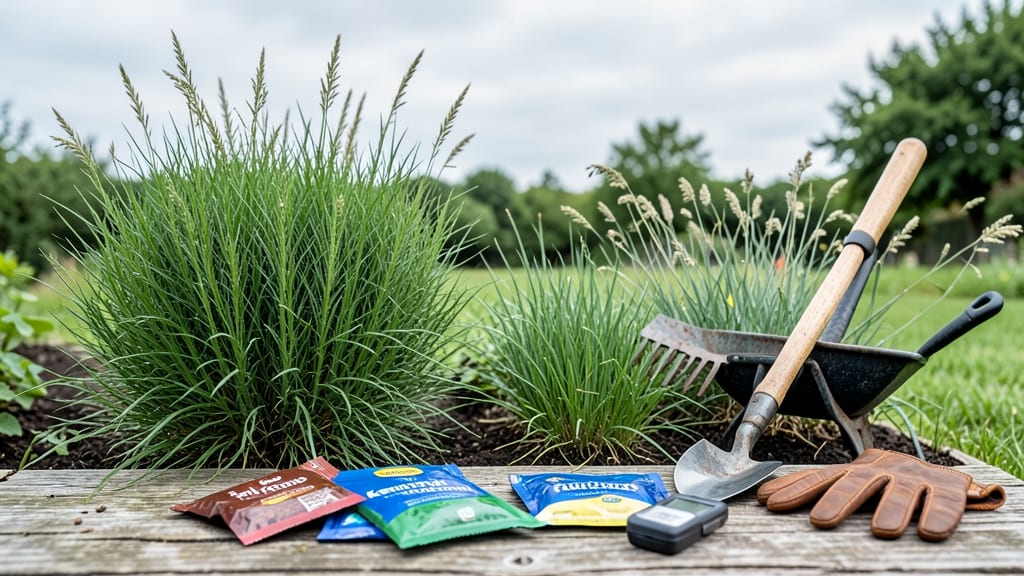
Timing your grass seed planting in Ohio isn't just about the calendar—it's about outsmarting the state's unpredictable spring and fall weather swings. Plant too early, and frost or drought will sabotage your 🌱 grass before it takes root.
Wait too long, and weeds will steal your lawn's spotlight. But get the timing right, and you'll unlock a lush, resilient yard that thrives through Ohio's 6a climate extremes.
Most Ohio gardeners assume planting in early spring is the only option, but fall actually offers the best window for success—especially in northern Ohio where cooler temperatures create ideal germination conditions. Southern Ohio's longer growing season gives you more flexibility, but even there, timing matters more than you might think.
The key is understanding your microclimate's last frost date and soil temperature patterns.
I've planted grass seed across Ohio's diverse regions, from the humid valleys of southern counties to the cooler plains of the north. What I've learned is that March-April and September-October are your golden windows—but only if you prepare properly.
The difference between a weak lawn and a vibrant one often comes down to these 4-6 weeks before planting when soil prep makes all the difference.
Ready to transform your patchy lawn into Ohio's envy? Let me walk you through the exact planting schedule for your specific region, plus the soil prep secrets that'll give your grass seed the fighting chance it deserves against Ohio's toughest growing conditions.
Ohio grass seed planting calendar: month-by-month guide by region
Ohio’s three distinct regions—Southern, Central, and Northern—each have unique frost patterns and soil warming rates, making timing everything for grass seed success. Planting too early risks late frost damage, while waiting too long can invite weed competition or summer drought stress.
I’ve broken down the ideal windows below, including soil temperature thresholds and regional adjustments to maximize root establishment.
For all regions, aim for soil temperatures between 55°F and 65°F—this sweet spot ensures consistent germination without overheating. Use a soil thermometer (inserted 2-3 inches deep) to verify conditions before seeding.
In Ohio, this typically aligns with late April to early May for spring and mid-September to early October for fall, but your exact timing depends on where you live.
Southern Ohio (USDA Zones 6b-7a) enjoys the warmest microclimate, with earlier last frost dates (March 15-April 1) and longer growing seasons. Gardeners here can start seeding as early as mid-March if soil temperatures stay above 50°F consistently.
Northern Ohio (Zones 5b-6a), however, faces later frosts (May 1-June 1) and cooler soils, requiring patience until mid-May for spring plantings.
Central Ohio (Zone 6a) sits in the middle, with frost dates averaging April 15-May 1. This region offers the most flexibility, but I recommend waiting until late April to avoid the risk of late-season freezes that can devastate tender seedlings.
Always check the National Weather Service’s 5-day forecast before seeding to avoid surprises.
Fall planting in Ohio is equally critical, with September 1-October 15 being the prime window. Southern Ohio can extend seeding into early November, while Northern Ohio should finish by mid-October to allow roots to establish before winter dormancy.
Seedlings need 6-8 weeks of growth before the first hard frost to develop strong root systems.
Here’s a side-by-side comparison of Ohio’s three regions, including ideal planting windows, soil temperature thresholds, and key regional adjustments to avoid common pitfalls:
Spring planting in Southern Ohio offers the earliest window, but I’ve seen many gardeners rush and end up with frost-killed seedlings in March. If you’re eager to start early, use a row cover or cold frame to protect young plants until mid-April.
For Central Ohio, late April is ideal, but if you miss this window, wait until September 1 for fall planting—this gives seedlings enough time to root before winter.
In Northern Ohio, where soils stay cold longer, I recommend waiting until mid-May to plant. This delay reduces the risk of soil-borne diseases that thrive in cool, damp conditions.
If you’re overseeding an existing lawn, focus on late August to early September to take advantage of residual summer heat while avoiding summer drought stress.
Regardless of your region, avoid planting in summer (June-August) unless you’re in Southern Ohio with irrigated, shaded areas. High temperatures and low humidity cause seeds to dry out before germination.
Instead, prioritize fall planting, which yields 70% stronger roots than spring due to cooler air temperatures and consistent moisture.
Pro tip: Test your soil’s moisture retention before planting. Ohio’s clay-heavy soils can become waterlogged or drought-prone. Amend with compost or sand to improve drainage, and always water deeply (1-1.5 inches) twice daily for the first 2 weeks to encourage root growth. A sprinkler with even coverage works best—
How to prepare your Ohio lawn for grass seed success
Preparing your Ohio lawn properly before planting grass seed is the difference between a thin, patchy lawn and a thick, vibrant carpet of green. Ohio’s clay-heavy soils and variable rainfall demand extra attention—skipping prep steps often leads to poor seed-to-soil contact and weed competition.
Start by testing your soil pH (ideal range: 6.0–7.0) and amending it with compost or lime if needed.
Weed control is critical—apply a pre-emergent herbicide 2–4 weeks before seeding to block weeds without harming the new grass. For organic options, use corn gluten meal as a natural pre-emergent. Timing matters: avoid herbicides with glyphosate (like Roundup) as they can linger and kill your grass seed.
🌱 Step-by-Step Prep Checklist
- Test soil pH (use a kit from your local garden center)
- Remove debris (rocks, sticks, old plants)
- Till soil 2–3 inches deep (break up compacted clay)
- Level the area (fill low spots with topsoil)
- Apply starter fertilizer (high-phosphorus, like 5-10-10)
- Lightly rake (create a fine, crumbly texture for seed contact)
Ohio’s clay soils can be tricky—amend with sand or compost to improve drainage, especially in low-lying areas where water pools. Aim for a loose, crumbly texture after tilling; compacted soil smothers seeds and stunts root growth. For large lawns, rent a rototiller or hire help—manual tilling is labor-intensive and inconsistent.
After tilling, spread a starter fertilizer (look for high phosphorus like 5-10-10) to encourage root development. Skip nitrogen-heavy fertilizers at this stage—they promote top growth but stress young roots. Water lightly after fertilizing to activate nutrients without washing them away.
Finally, create the perfect seedbed by raking the soil into a fine, even surface. Use a bowl-style rake to gently level high spots and fill low ones. For slopes, rake across the slope (not up and down) to prevent erosion during watering.
A smooth, firm seedbed ensures consistent seed-to-soil contact, which is critical for germination.
Pro tip: If seeding in fall (September–October), skip the pre-emergent herbicide—cool weather slows weed growth naturally. Instead, focus on removing existing weeds by hand or with a hoe. Fall prep is easier because Ohio’s moderate rainfall reduces the need for frequent watering after planting.
🌱