
Companion Plants
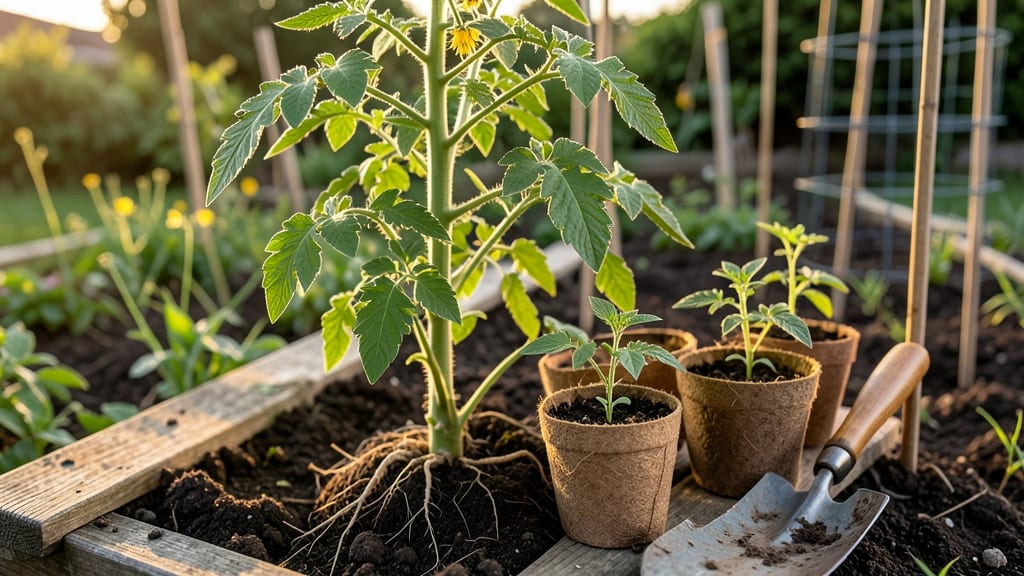
Planting your 🍅 tomatoes at the wrong time in Ohio could mean the difference between a bumper crop and a sad, frost-nipped disappointment.
The ideal window for transplanting seedlings outdoors runs from mid-April to mid-May, but your exact timing depends on whether you're in northern Ohio's cooler Zone 6a or southern Ohio's slightly warmer Zone 6b.
Why does this matter so much? Tomatoes are heat-lovers that need consistent warmth to thrive, and Ohio's last frost date can swing by weeks depending on your county.
Plant too early, and a late frost will shock your seedlings. Too late, and you'll miss the 165-day growing season before the first frost hits in October.
In this guide, I'll break down the exact planting dates for your specific heat zone, plus pro tips for adjusting timing if you're in an urban heat island or rural microclimate.
We'll also cover how to prepare your soil and choose companion plants that protect your tomatoes from pests and diseases during Ohio's unpredictable spring weather.
Whether you're a first-time gardener or a seasoned grower, getting your tomato planting schedule right is the key to avoiding common mistakes like stunted growth or blossom-end rot. Let's make sure your plants get off to the best possible start this spring.
Ohio’s tomato planting dates by heat Zone (Zone 5-6)
Ohio’s USDA Heat Zones 5 and 6 create distinct windows for planting tomatoes, with northern counties like Ashtabula (Zone 5) needing earlier starts than southern Hamilton County (Zone 6).
The last average frost date shifts from April 20 in the north to May 5 in the south, meaning your timing must align with your microclimate to avoid frost damage or missed harvests.
For determinate varieties (like 'Roma' or 'Patio'), which grow to a fixed size, aim for transplanting 2-3 weeks after your last frost. Indeterminate types (e.g., 'Beefsteak' or 'Sungold') thrive with longer growing seasons, so southern Ohio gardeners can push planting into early May for bigger yields.
Soil temperature is the real game-changer—wait until it hits 60°F at least 6 inches deep.
Here’s a quick reference for Ohio’s two primary heat zones, including transplant windows, soil prep tips, and county-specific adjustments for urban vs. rural areas:
| Heat Zone | Last Frost Date | Ideal Transplant Window | Soil Temp Requirement | Notes for Ohio Gardeners |
|---|---|---|---|---|
| Zone 5 (North) | April 20 | May 1–15 (after frost) | 60°F+ (6" deep) | Use row covers for early starts; choose early-maturing varieties like 'Early Girl'. |
| Zone 6 (South) | May 5 | April 25–May 10 | 60°F+ (6" deep) | Extend season with black plastic mulch; indeterminate varieties thrive here. |
| Urban Areas (e.g., Columbus, Cleveland) | April 25–May 1 | May 10–20 | 60°F+ (6" deep) | Container gardening works; opt for dwarf varieties like 'Tiny Tim'. |
| Rural Areas (e.g., Appalachian foothills) | April 10–15 | April 25–May 5 | 55°F+ (6" deep) | Cooler microclimates; use cold frames for earlier starts. |
In Zone 5 counties like Lake or Geauga, I recommend starting transplants indoors by March 15 to give seedlings a head start. Harden them off by April 1 and transplant after May 1—this ensures they’re robust enough to handle Ohio’s unpredictable spring frosts.
For determinate tomatoes, which produce fruit in clusters, this timing aligns with their 60-70 day maturity, giving you a harvest by July 4th.
Southern Ohio’s Zone 6 (e.g., Clintonville or Hamilton) offers a 2-week window advantage. Here, I plant indeterminate varieties like 'Brandywine' as early as April 25, knowing they’ll keep producing until first frost in October.
The key is to mulch heavily with straw to retain soil warmth and moisture—critical for fruit set during Ohio’s humid summers.
For container gardening in urban areas, prioritize compact varieties and extend the season with black plastic mulch or row covers. In my Columbus garden, I’ve had success with 'Balcony Red' planted in 5-gallon pots by May 10, yielding 10-12 tomatoes per plant by August.
Just ensure containers have drainage holes and use lightweight potting mix to prevent root rot.
One common mistake I see is planting too late in Zone 5, thinking the risk of frost has passed. But late May frosts
How to adjust planting dates for Ohio’s microclimates
Ohio’s microclimates can shift tomato planting windows by 3-4 weeks between northern and southern regions. If you’re in southern Ohio, you might have 60+ frost-free days more than someone in the Maumee Valley. The key is adapting your schedule based on your USDA zone and local conditions.
For urban gardeners with limited space, container growing lets you adjust timing more flexibly. Just ensure your pots have drainage holes and use lightweight soil mixes to prevent overheating. My balcony tomatoes thrive when I start seeds indoors 6-8 weeks before my last frost date.
- 1. Northern Ohio (Zone 5): Start seeds indoors March 15 for transplanting May 1 after soil reaches 60°F. Use row covers to extend season by 2-3 weeks.
- 2. Southern Ohio (Zone 6): Plant seeds directly outdoors April 1 or start indoors March 1 for earlier harvests. Cold frames let you plant 2 weeks earlier in marginal zones.
- 3. Urban areas: Check concrete heat absorption—south-facing walls can create microclimates 5°F warmer. Plant near these spots for earlier starts.
- 4. High-elevation zones (e.g., Appalachian foothills): Delay planting by 10-14 days due to cooler nights. Monitor nighttime temps—keep above 50°F.
- 5. River valleys (e.g., Ohio River): Plant 1 week earlier thanks to warmer microclimates. Watch for early morning fog delaying warmth.
If you’re in northern Ohio, where frost can linger until May 15, consider cold-hardy varieties like 'Stupice' or 'Mountain Merit'. These tolerate 40°F nights better than standard tomatoes. I’ve had success with black plastic mulch to warm soil 5-7°F faster in cool zones.
For southern Ohio’s longer seasons, focus on succession planting. After your first harvest in July, pull up spent plants and sow quick-maturing varieties like 'Early Girl' or 'Patio Princess'. This keeps your garden productive until first frost in October.
Pro tip: Use a soil thermometer—tomatoes won’t thrive until soil hits 60°F. In my Zone 5b garden, I’ve seen seedlings stunt when planted in 50°F soil, even if air temps are warm. Wait for consistency!
Extend your season with low tunnels or hoop houses—these can add 4-6 weeks to your growing window. Just remove covers during daytime heatwaves to prevent overheating. My indeterminate tomatoes produced until mid-October last year using this method. 🌱