
Plants
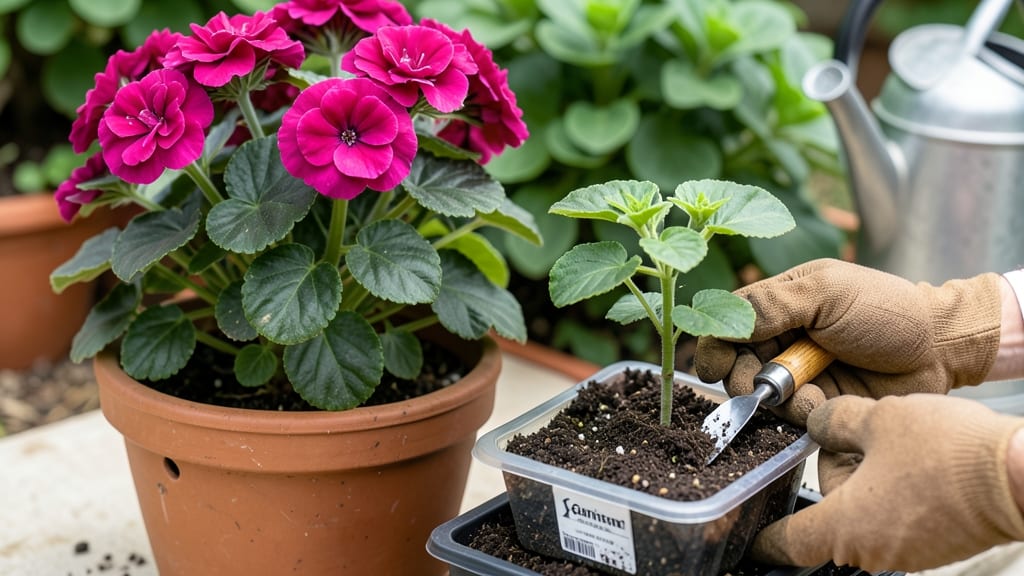
When can you plant geraniums in pots outside without risking frost damage or stunted growth? In USDA Zone 6a, timing is everything—your local microclimate demands more precision than just waiting for "after last frost." Planting too early can leave them vulnerable to late frosts, while waiting too long may delay their full summer potential. The ideal window typically opens in April or May, but soil temperature (aim for 50°F) and nighttime lows are the real game-changers. I’ll break down exactly when to transition your potted geraniums outside—plus how to harden them off for a seamless move. Whether you’re in a coastal breeze or an inland heatwave, these tips ensure your geraniums thrive from day one. Ready to avoid common mistakes? Let’s dive into the zone-specific timeline that keeps your geraniums blooming all season.
USDA Zone-specific planting timeline for geraniums in pots
Geraniums thrive when planted at the right time, but their ideal planting window shifts dramatically across USDA zones 3-11. In Zone 3, where frosts linger until mid-May, wait until after May 15—even if your calendar says spring arrived earlier.
Meanwhile, Zone 10 gardeners can plant as early as February, since frost is rare.
Your last frost date is the first rule, but soil temperature matters more. Geranium roots need soil at 50°F (10°C) to avoid stunted growth. Use a soil thermometer to confirm—cold soil can delay blooming by 3-4 weeks even after frost danger passes.
🌱Pro Tip: Coastal areas (like Zone 7b near the ocean) may plant 2-3 weeks earlier than inland zones due to milder nighttime temps. High-altitude zones (e.g., Zone 5 at 5,000+ ft) should delay planting by 1-2 weeks to account for cooler microclimates.
| USDA Zone | Last Frost Date | Ideal Planting Window | Soil Temp Requirement | Microclimate Note |
|---|---|---|---|---|
| 3-4 | May 10–20 | After May 25 | 50°F (10°C) | Delay 1–2 weeks in high-altitude areas |
| 5-6 | April 20–May 5 | After May 10 | 50°F (10°C) | Coastal zones: plant by April 25 |
| 7-8 | March 15–April 10 | After April 15 | 50°F (10°C) | Desert zones: plant by March 20 |
| 9-10 | January 1–February 15 | After February 1 | 55°F (13°C) | Tropical zones: year-round planting |
| 11 | None | Year-round | 60°F (16°C) | Monitor for heat stress |
If you’re in Zone 6a (like much of the Midwest), aim for late April to early May. Check your local agricultural extension service for hyper-local frost data—some years, a late frost can push your planting window into June.
For example, Chicago (Zone 5b) saw a May 12 frost in 2020, delaying safe planting until June 1.
For container geraniums, pots warm up faster than garden beds, so you can plant 1-2 weeks earlier than in-ground plants. However, avoid placing pots in direct afternoon sun until roots establish—this prevents heat shock and wilting.
Use lightweight pots (like fabric grow bags) to help soil warm up quicker in cooler zones.
🌿Key Mistake: Planting geraniums too early in Zone 4 or colder leads to blackened leaves and root rot. Even if daytime temps are warm, nighttime frosts (below 32°F/0°C) will kill tender varieties like Pelargonium.
To stretch your planting season, use row covers or move pots to a protected porch for the first 7-10 days after transplanting. This buys you 2-3 extra weeks of growing time before committing to outdoor exposure. Just remove covers during the day to harden off the plants gradually.
💡Zone Hack: In Zone 7b or warmer, you can plant geraniums in pots
How to assess your microclimate for safe geranium planting
Your geraniums’ success starts with understanding your microclimate, the unique conditions in your yard that differ from official weather reports. Even in the same USDA zone, a south-facing patio can be 10°F warmer than a shady corner.
I’ve learned this the hard way—once, my geraniums thrived on the deck but wilted just 10 feet away near the foundation. Here’s how to assess yours.
First, check your nighttime temperatures, the real deal-breaker for geraniums. They tolerate down to 50°F but struggle below 45°F. Use a minimum-maximum thermometer placed at plant height for 3-5 nights.
If lows dip below 50°F, delay planting or use frost cloth for protection. Coastal areas often have milder nights, while inland zones can swing wildly.
Next, evaluate wind exposure. Geraniums in pots are more vulnerable to drying winds than in-ground plants. Place your pots near a windbreak like a fence or building, or group them together to create a microclimate of their own.
I’ve seen geraniums in exposed spots lose 20% more moisture daily compared to sheltered ones. A simple anemometer (or even a wind sock) helps measure exposure.
Soil warmth is another critical factor. Geranium roots need soil at 50°F (10°C) to thrive. Test this with a soil thermometer inserted 2-3 inches deep. If your soil runs cooler, wait 1-2 weeks or use black plastic mulch to absorb heat.
In my Zone 6a garden, soil warms up 2 weeks later than air temperature suggests.
Avoid the common mistake of planting geraniums after a warm spell in March only to face a late frost. Use a frost clock or local agricultural extension service for historical frost dates.
In my experience, waiting until two weeks after the last frost date adds a safety margin. For potted geraniums, this extra time also lets them acclimate to outdoor conditions without shock.
Don’t forget to consider sunlight patterns. While geraniums love 6+ hours of sun, afternoon shade can prevent leaf scorch in hot zones. Observe your space for 2-3 days to map sunlight shifts.
I use a sunlight tracker app to log hours—my balcony gets full sun until 3 PM, perfect for geraniums.
Finally, use these tools to extend your planting window by 2-4 weeks: a frost clock for historical data, a soil thermometer for warmth, and a minimum thermometer for nighttime safety.
In my garden, these tools let me plant geraniums 14 days earlier than my neighbors—without risking damage. Start small, test your microclimate, and adjust as needed.