
Vegetables
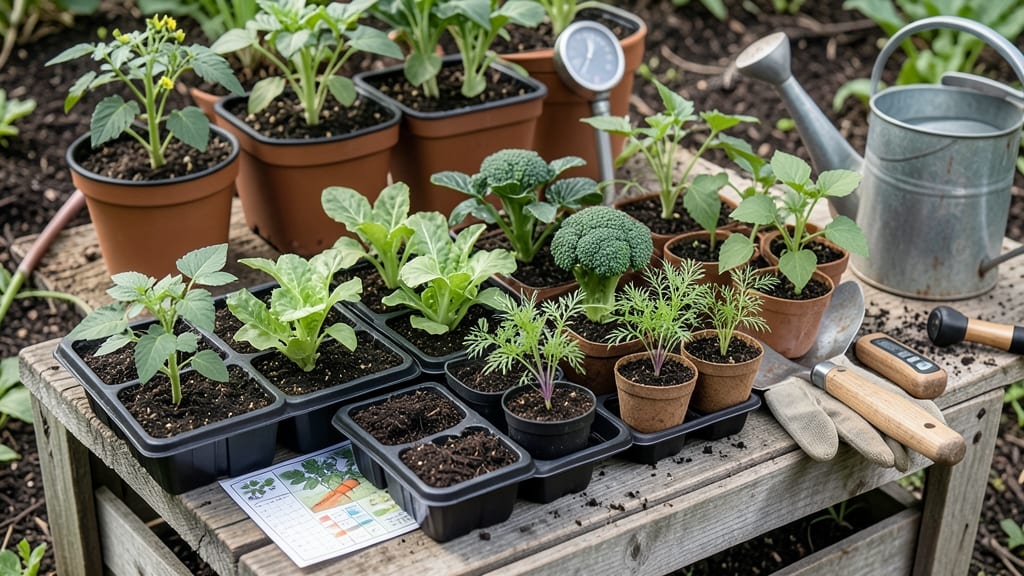
Timing your vegetable planting in California isn’t one-size-fits-all—coastal fog can delay spring starts while inland valleys beg for early action. Get it wrong, and your broccoli bolts or lettuce turns bitter before harvest.
But master the best planting windows, and you’ll enjoy fresh tomatoes from spring to fall, no matter if you’re in chilly San Francisco or scorching Bakersfield.
Here’s the game-changer: coastal regions like Santa Barbara thrive with cool-season crops planted in late winter, while inland valleys need warm-season veggies like peppers in early spring.
Microclimates—think urban heat islands or mountain slopes—can shift your schedule by weeks. I’ll break down exactly when to plant for your zone, so you avoid costly mistakes.
Why does this matter? Because California’s diverse climates mean a 30-day difference between coastal and inland start dates can mean the difference between a bumper crop and a sad, wilted mess. Let’s dive into the science behind frost dates, soil temps, and how to adjust for your specific location.
You’ll learn how to stretch your growing season with succession planting, protect tender seedlings from coastal humidity, and even cheat the system with shade cloth. Ready to turn your garden into a year-round harvest? Let’s get started.
California planting zones: coastal vs inland start dates by vegetable type
California’s planting zones can feel like a puzzle, especially when comparing coastal fog belts to inland desert valleys. Coastal areas like Santa Barbara enjoy mild winters and cool summers, while inland regions such as Sacramento face hot summers and cold winters.
These differences mean your broccoli might thrive in February on the coast but bolt by June inland. Let’s break down the best planting windows for your favorite vegetables, so you can time it right for your microclimate.
For cool-season crops like lettuce, kale, and peas, coastal gardeners can start as early as September-October, while inland gardeners should wait until February-March after the last frost. Meanwhile, warm-season crops like tomatoes, peppers, and squash need to wait until soil warms—typically April-May inland but March-April along the coast.
These timelines ensure your plants grow strong without stress from temperature swings.
Here’s a side-by-side comparison of optimal planting windows for coastal vs. inland California, so you can plan your garden with confidence:
If you’re gardening in Santa Barbara or San Francisco, you’ll notice the coast’s mild winters allow for year-round planting with row covers or cold frames. For example, you can grow spinach in December, while inland gardeners in Sacramento might need to wait until March.
Always check your local frost-free dates—coastal areas rarely see frost, but inland valleys can drop below freezing in winter.
For warm-season crops like tomatoes and peppers, inland gardeners should wait until soil temperatures hit 60°F+, usually by late April or May. Coastal gardeners can plant 2-4 weeks earlier thanks to cooler summers.
Use a soil thermometer to monitor warmth—if it’s below 55°F, your seeds may not germinate. Pro tip: Black plastic mulch warms soil faster in inland areas.
Microclimates play a huge role in California gardening. Even within Los Angeles County, coastal Malibu has cooler summers than inland Pasadena. If you’re unsure about your exact microclimate, observe your garden’s behavior: leaf scorch on tomatoes?
You might be in a hotter pocket. Slow growth in cool-season crops? You could be in a foggy zone. Adjust your planting dates based on these clues.
Succession planting is key to a continuous harvest. In coastal areas, plant lettuce every 2-3 weeks from September to April. Inland, stretch your broccoli season by planting early March and late August for fall harvests.
And don’t forget fall crops like kale and carrots, which thrive in coastal autumns but need early planting inland to avoid summer heat.
For container gardening in urban areas, coastal gardeners can start herbs like basil in March, while inland containers may need to wait until May. Containers heat up faster, so monitor moisture closely—especially in Sacramento’s intense summers. Use self
How to adjust planting times for California’s microclimates and soil conditions
California’s varied landscapes mean your neighbor’s perfect planting schedule might not work for you. A coastal garden in Santa Cruz thrives with late-winter plantings, while inland valleys like Fresno need to wait until spring’s last frost.
Even within cities, urban heat islands can push planting dates earlier by weeks. Understanding your microclimate lets you fine-tune timing for maximum yields.
Soil drainage and irrigation access also shift optimal planting windows. Sandy soils in desert regions dry out fast, while clay-heavy urban plots stay soggy longer. Container gardens in balcony gardens dry quicker than in-ground beds, requiring earlier watering adjustments.
Let’s break down how to adapt your schedule based on these key factors.
- 📍 Elevation: High-altitude gardens (e.g., Mount Shasta) plant 2-3 weeks later than sea level. Cool nights delay warm-season crops like tomatoes.
- ☀️ Urban Heat: Cities like Los Angeles can plant peppers 10 days earlier than rural areas. Use shade cloth for coastal heat stress.
- 💧 Soil Drainage: Clay soils (common in Sacramento) need raised beds for spring plantings. Sandy soils dry faster—water daily in summer.
- 🌿 Succession Planting: Coastal lettuce bolts by June—plant every 2 weeks from March to October. Inland areas can stretch this to March–November.
- 🪴 Containers: Urban balcony gardens dry 30% faster. Use self-watering pots and plant heat-tolerant varieties (e.g., ‘Heatmaster’ tomatoes) 2 weeks earlier.
For coastal regions, extend seasons with row covers or cold frames. I’ve had kale survive winter in San Francisco under 30% shade cloth, while inland broccoli bolts by May without protection. Test your microclimate: Place a thermometer in your garden for a week to track temperature swings.
Adjust irrigation systems before planting. Drip irrigation with timers saves water in arid zones, while soaker hoses work better for clay soils. Mulch with straw or wood chips to retain moisture in urban heat islands. I’ve seen tomato yields double with proper mulching in Bakersfield.
Don’t forget succession planting for year-round harvests. In coastal areas, sow radishes every 2 weeks from February to October. Inland, stretch this to March–November. Use interplanting—pair fast growers (radishes) with slow growers (carrots) to maximize space.
With these adjustments, you’ll avoid bolting lettuce or blossom-end rot in tomatoes. Start small: Pick one microclimate factor to test this season—like elevation adjustments or container watering schedules. Your garden’s unique conditions will reward you with healthier plants and bigger harvests.