
Plants
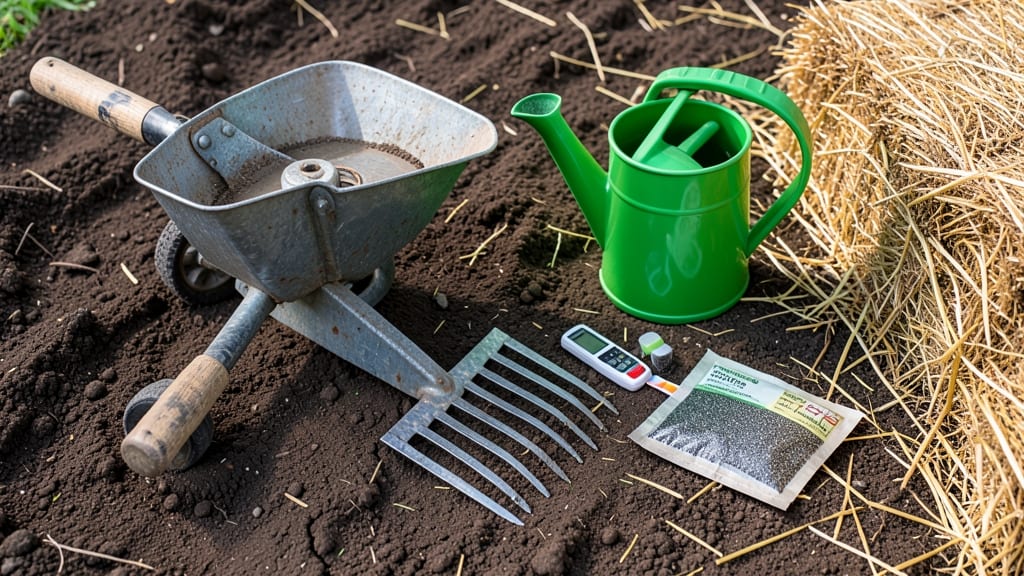
Planting grass seed at the wrong time in Iowa can mean thin, patchy lawns that struggle through summer droughts and winter freezes—but timing it right gives you a thick, resilient lawn that outlasts the toughest seasons.
With Iowa’s 5a-6b climate zones and unpredictable weather, knowing the best windows—early spring or early fall—isn’t just helpful, it’s essential. Whether you’re starting a new lawn or overseeding an old one, the 50-55°F soil temperature rule is your secret weapon for strong root growth before summer heat sets in.
I’ll break down the exact planting dates for Iowa’s microclimates, from the northern chill of Zone 5a to the milder southern stretches, so you can avoid common mistakes like planting too late in spring or too early in fall. Let’s get your lawn off to the best possible start.
From soil prep to post-planting care, you’ll learn how to beat Iowa’s weather quirks and grow grass that stays lush year-round—no guesswork required.
Iowa’s optimal grass seed planting windows by microclimate Zone
Iowa’s diverse climate zones mean your grass seed planting window can vary by 500 miles—from the chilly Northwest to the warmer Southeast. The golden rule? Plant when soil temps hit 50–55°F and days between frosts stretch to 4–6 weeks.
Miss this window, and you risk summer heat stress or winter kill.
Most Iowans target early spring (March–April) or early fall (August–September), but your exact timing depends on your USDA Zone (5a–6b). For example, Northern Iowa (Zone 5a) may need to wait until late April, while Southern Iowa (Zone 6b) can start as early as mid-March.
Let’s break it down by region.
🌱 Visual Guide: Iowa’s Planting Windows by Zone
For new lawns, aim for 6–8 weeks of growth before Iowa’s first frost (mid-October). If planting in fall, choose cool-season grasses like Kentucky Bluegrass or Tall Fescue, which establish roots before winter. Warm-season grasses (e.g., Bermuda)? Skip fall—plant in late spring.
Pro tip: Use a soil thermometer to confirm temps. Below 50°F? Wait—cold soil slows germination. Above 75°F? Delay until temps drop—heat stresses seedlings. 🌱
Iowa’s Northwest (e.g., Sioux City) often sees later springs, so hold off until after May 1 to avoid frost. Meanwhile, Southern Iowa (e.g., Ottumwa) can start as early as March 15 if soil is workable.
Check your local frost-free date—the Iowa State University Extension has tools to help.
Overseeding existing lawns? Late summer (August) is ideal—grass has time to root before winter. But if your lawn is thin or weedy, spring overseeding (April) can work too. Just mow short (1–1.5 inches) and water deeply afterward to encourage seed contact with soil.
One critical mistake Iowans make? Planting too early in spring and getting hit by late frosts. Use row covers or wait until after April 15 in most zones. For fall planting, stop by September 15—any later, and seedlings won’t harden off before winter.
Need
How to adjust planting dates for Iowa’s unpredictable weather patterns
Iowa’s weather can shift faster than a summer storm—one day it’s 60°F and perfect for planting, the next it’s 30°F with frost warnings. To beat this unpredictability, I’ve developed a flexible planting strategy that accounts for late springs, early frosts, and drought risks.
The key? Monitoring soil temperatures (not air temps) and choosing fast-germinating seed varieties like ‘Midnight’ Kentucky Bluegrass or ‘Titan’ Tall Fescue.
Start by testing your soil’s temperature with a soil thermometer—plant when it consistently hits 50-55°F for 5-7 days. This ensures roots establish before summer heat stress.
In northern Iowa (Zone 5a), this might mean waiting until mid-to-late April, while southern Iowa (Zone 6b) could see planting as early as late March. Always have a backup plan for late frosts by covering new seedlings with frost cloth.
For early fall plantings, aim for August 15–September 15—this gives grass 6-8 weeks to grow before winter. But if summer drought lingers, delay until mid-September when rains return. Use a mulching mat to retain moisture and protect seedlings from sudden temperature swings.
Here’s my step-by-step adjustment guide for Iowa’s most common weather challenges:
- Wait until soil temps hit 50°F+ (not air temps).
- Switch to fast-germinating seeds like ‘Titan’ Tall Fescue.
- Use a seed starter fertilizer to jumpstart growth.
- Cover seedlings with frost cloth if nights dip below 32°F.
- Plant 6-8 weeks before your area’s first frost date.
- Choose cool-season grasses like Kentucky Bluegrass.
- Apply a light mulch layer (straw) to insulate roots.
- Water deeply before the first hard frost to hydrate roots.
- Delay planting until rains return (check NOAA forecasts).
- Use drought-tolerant varieties like Buffalo Grass.
- Water deeply 2x/week (1-1.5 inches total).
- Apply hydromulch to retain moisture.
Pro tip: Iowa’s clay-heavy soils dry out faster in summer. If you’re planting in July-August, amend soil with compost or sand to improve drainage. And always test your soil’s pH (ideal: 6.0–7.0)—acidic soils slow germination.
By following these adjustments, you’ll turn Iowa’s weather quirks into advantages—your lawn will thrive even when Mother Nature throws curveballs. The secret? Stay flexible, monitor conditions closely, and choose the right tools for the job. 🌱