
Plants
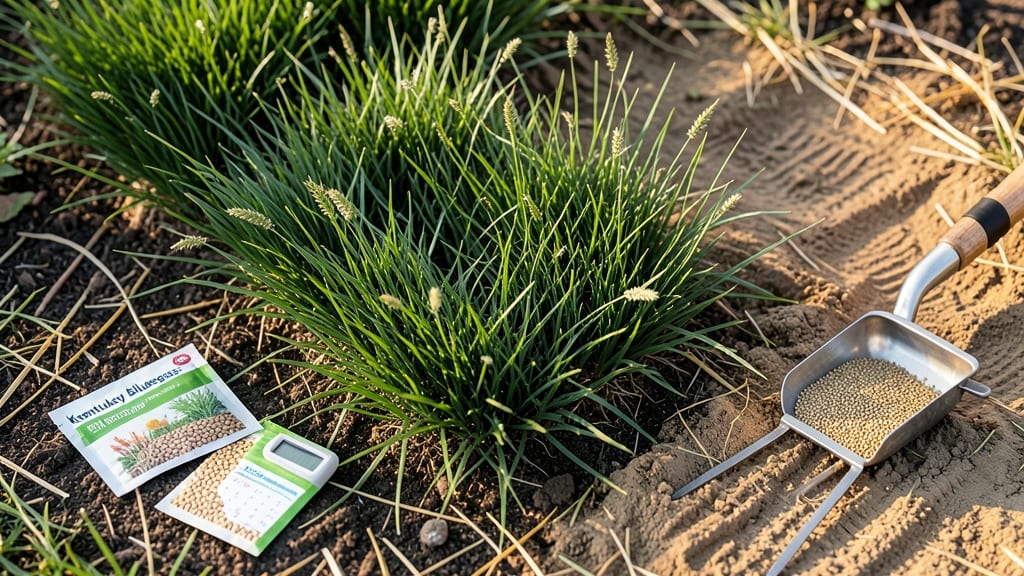
Planting grass seed in Indiana at the wrong time can leave you staring at bare patches for months—but getting the timing right means a lush, green lawn in just 6-8 weeks.
The key isn't just checking a calendar; it's understanding how soil temperature, frost dates, and even your yard's microclimate work together to create the perfect conditions for germination.
With Indiana's 5b-6b hardiness zones, you've got two prime windows: early spring (when soil warms to 50°F) and fall (before the first frost hits). But here's the catch: Northern Indiana's cooler climate plays by slightly different rules than Southern Indiana's milder stretches.
I'll break down exactly when to plant—and how to prep your soil like a pro—to ensure your 🌱 grass seed takes root fast and stays strong.
You might think spring is the only option, but fall planting actually gives your grass a head start next year. The secret lies in soil moisture, seed selection, and post-planting care—details most gardeners overlook.
Let me show you how to avoid common mistakes that kill germination rates and turn your lawn into the envy of the neighborhood.
Whether you're seeding a new yard or patching bare spots, timing is everything. By the end of this guide, you'll know not just when to plant, but how to set up your grass for success—so you can enjoy that perfect green carpet without the guesswork. Ready to transform your lawn?
Optimal planting windows for Indiana grass seed (with microclimate adjustments)
Indiana’s USDA hardiness zones 5b-6b create a unique challenge for grass seeding—cool springs, hot summers, and unpredictable fall frosts.
The primary planting windows (early spring and late fall) offer the best balance of soil warmth and moisture retention, but microclimates like urban heat islands or rural shade can shift these timelines by 2-3 weeks.
Let’s break down the exact windows and how to adjust for your specific corner of the state.
For most of Indiana, the ideal planting months are March-April (spring) and October-November (fall). These periods align with soil temperatures between 50°F-70°F, which is perfect for cool-season grasses like Kentucky bluegrass and tall fescue—the staples of Indiana lawns.
However, northern Indiana (near Lake Michigan) often sees later last frosts (mid-May vs. early May in southern Indiana), while urban areas like Indianapolis can experience microclimates 5°F warmer than rural zones.
🌱
Your last frost date is the golden rule for spring planting—wait until 3-4 weeks after the average last frost (mid-April for most of Indiana) to ensure seedlings aren’t nipped. For fall, aim to plant 6-8 weeks before the first frost (mid-October), giving roots time to establish before winter dormancy.
Use the Indiana State Climate Office’s frost maps to pinpoint your exact zone.
Microclimates play a surprisingly large role. In urban areas, asphalt and buildings create "heat islands" that can warm soil 5-10°F faster than rural fields. This means you can plant 1-2 weeks earlier in cities like Indianapolis or Fort Wayne.
Conversely, shady microclimates (common in wooded lots) may require extending your window by 10-14 days to compensate for cooler, slower-warming soil.
🌿
For cool-season grasses (the best choice for Indiana), the soil temperature is more critical than air temperature. Use a soil thermometer to confirm readings of 50°F-65°F before planting. If your soil runs cooler (common in northern Indiana), opt for tall fescue blends, which germinate faster in 45°F-55°F conditions.
Southern Indiana gardeners can push the envelope with Kentucky bluegrass, which thrives in 60°F-70°F soil.
Pro tip: If you miss the primary windows, don’t despair—secondary windows (May and September) can work if you’re prepared to water aggressively and use mulch blankets to retain moisture.
Just beware of summer heat stress (soil temps above 75°F can kill seeds) and late-fall drought, which dries out newly planted areas before winter.
💧
To fine-tune your timing, monitor local weather forecasts for
Soil preparation checklist: how to create the perfect seedbed for Indiana grass
Indiana’s clay-heavy soils can make grass seeding a challenge if you don’t prep properly. The key to success lies in creating a loose, nutrient-rich seedbed that encourages strong root development. Start by testing your soil pH—ideal levels for most Indiana grasses fall between 6.0 and 7.0.
If your soil is too acidic or alkaline, amend it with lime or sulfur before planting.
Next, focus on tillage depth. Indiana’s clay compacts easily, so avoid deep tilling, which can create a plow pan that blocks water and roots. Instead, loosen only the top 4 inches of soil using a garden fork or tiller.
This depth allows seeds to establish without smothering them in dense clay.
⚠️ Critical Mistake Alert: Planting Too Late in Fall
Indiana’s first frost typically hits by mid-October, leaving only a 4-6 week window for fall seeding. Planting after October 15th risks seeds germinating too late, leaving young grass vulnerable to winter kill. Always check soil temperatures—they should stay above 50°F for at least 4 weeks post-planting.
Incorporate organic matter like compost or well-rotted manure to improve soil structure and fertility. Aim for a 2-3 inch layer mixed into the top 6 inches of soil.
This boosts water retention and provides essential nutrients for seedling growth. For clay soils, consider adding sand or peat moss to improve drainage without overwhelming the seedbed.
Before seeding, create a fine, level surface by raking out clumps and debris. Use a bow rake to gently break up any remaining soil crust. This step ensures even seed-to-soil contact, which is critical for germination rates.
Avoid over-raking, as it can bury seeds too deeply or create uneven areas where water pools.
Schedule irrigation carefully—Indiana’s spring showers can be unreliable, and overwatering smothers seeds. Water lightly twice daily (morning and evening) for the first 7-10 days to keep the soil consistently moist but not soggy.
Once seedlings emerge, reduce to 1 inch per week, watering deeply but infrequently to encourage deep root growth.
Finally, protect your new seedbed from wind and erosion by applying a light mulch layer (like straw) after seeding. This keeps soil temperatures stable and reduces moisture loss.
Avoid heavy mulch, which can block sunlight and suffocate young grass. With these steps, your Indiana lawn will have the ideal foundation for lush, resilient growth.