
Plants
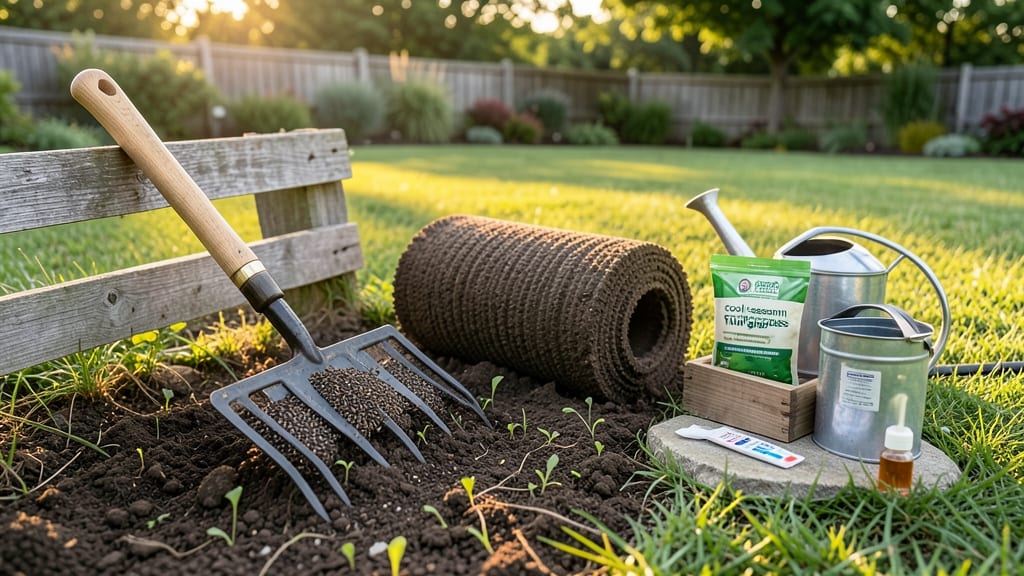
Planting grass seed at the wrong time in Illinois can turn your dream of a lush lawn into a frustrating gamble—especially when you’re staring at patchy, uneven growth months later.
The key to success lies in timing it right, whether you're in USDA Zone 5a-6b or dealing with Illinois’ unpredictable spring showers.
Most gardeners swear by early fall and spring as the best windows for planting 🌱, but knowing exactly when to start makes all the difference. Too early, and frost will stall germination; too late, and summer heat can dry out your seeds before they take root.
Let’s break down the ideal months and what to watch for in your specific region.
You’ll learn how to align your planting with Illinois’ soil temperature thresholds, avoid common pitfalls like clay soil or deer damage, and create a checklist for prepping your lawn.
Whether you’re a beginner or a seasoned gardener, these steps will help you skip the guesswork and get that thick, green carpet you’re after.
From choosing the right seed to watering schedules that work with Illinois’ climate, we’ll cover everything you need to turn your lawn into the envy of the neighborhood—without the trial-and-error headaches.
Best months to plant grass seed in Illinois for optimal germination
If you're dreaming of a thick, green lawn in Illinois, timing is everything. The wrong planting window can leave you with patchy growth or weeds taking over. Illinois’ two prime seasons—early spring and fall—offer the perfect balance of soil warmth and moisture for grass seed to germinate.
But knowing the exact months and soil conditions is key to success.
Cool-season grasses like tall fescue and Kentucky bluegrass dominate Illinois lawns, thriving when daytime temps hover between 60°F and 75°F. Warm-season grasses like Bermuda or Zoysia prefer 75°F to 85°F and are best planted in late summer.
Let’s break down the ideal planting months and what your soil needs to cooperate.
🌱 Illinois Grass Planting Window Summary
For cool-season grasses, the best months are March through April and September through October. These windows give seeds time to germinate before summer’s intense heat or winter’s freezing temperatures.
In northern Illinois, aim for late March to early April in spring, while southern Illinois can plant as early as February if soil thaws early.
Fall planting is a gardener’s secret weapon—cooler temps reduce weed competition, and consistent rainfall (especially in September) keeps soil moist. Just don’t wait until November, as grass needs 4–6 weeks to establish before the first frost.
Use a soil thermometer to confirm temps are above 55°F—this is your green light to plant.
If you’re planting warm-season grasses like Bermuda, late summer is your shot. August is ideal, but avoid July’s peak heat, which can scorch seeds. Warm-season grasses need consistent moisture to outcompete weeds, so plan for daily watering until roots establish.
Southern Illinois gardeners have a slight edge—their longer growing season allows for a 2-week later window than northern regions.
One critical mistake Illinois gardeners make? Planting in May or June. By then, soil is often too dry and hot for cool-season grasses to germinate properly. If you miss the spring window, wait until fall—don’t rush and plant in late summer, as the heat will stress seedlings.
Pro tip: Test your soil before planting. Illinois’ clay-heavy soil can compact easily, so amend with compost to improve drainage and aeration.
After planting, water deeply twice daily for the first 2 weeks, keeping the top 2 inches of soil moist. Use a sprinkler with gentle mist to avoid displacing seeds. In drought-prone areas (like western Illinois), consider a soaker hose to deliver water slowly.
Once grass reaches 3–4 inches tall, reduce watering to 1 inch per week to encourage deep root growth.
Remember, Illinois’ microclimates matter. Urban areas like Chicago may experience earlier frosts than rural southern Illinois. Check your USDA Zone (most of Illinois is 5a–6b) and adjust planting dates by 1–2 weeks if needed.
With the right timing, your grass will outcompete weeds and thrive through Illinois’ hot summers and cold winters.
Ready to transform your lawn? Grab your grass seed, mark your calendar for March–April or September–October, and get ready for a lush, weed-free carpet by next summer. Your future self (and your neighbors) will thank you! 🌿
How Illinois weather affects grass seed success: what to watch for
Illinois’ unpredictable weather can make or break your grass seed success. From sudden spring frost to summer droughts and heavy fall humidity, each season throws unique challenges. Understanding these patterns helps you time your planting for the best results and troubleshoot issues before they derail your lawn.
For example, northern Illinois (like Chicago) has earlier frost dates than southern regions (like St. Louis), meaning your planting window shifts. Meanwhile, clay-heavy soils in many areas can suffocate seeds if not prepped properly. Let’s break down what to watch for and how to adapt your approach.
⚠️ Critical Timing Warning
Planting too early in spring risks frost damage, while waiting too long in fall leaves seeds vulnerable to winter dryness. Aim for soil temps between 55°F–75°F—use a soil thermometer to check! Illinois’ last frost date averages mid-April in the north and early April in the south.
Illinois’ clay soil is another hurdle. Many regions have dense, slow-draining clay that can smother seeds. Before planting, mix in 2–3 inches of compost or sand to improve aeration.
This step is non-negotiable—skipping it leads to poor germination and waterlogged roots. Test your soil’s pH too; ideal levels for grass are 6.0–7.0.
Don’t overlook deer and wildlife, either. Illinois’ rural areas see frequent deer grazing, which can devour newly sprouted grass. Use deer-resistant seed blends (like tall fescue) and consider temporary fencing until your lawn establishes.
Even urban yards can face pressure from rabbits or voles—keep an eye out for chewed seedlings!
Humidity plays a role too. High fall humidity can encourage fungal diseases like brown patch or dollar spot. Water in the early morning to let foliage dry quickly, and avoid overhead sprinklers.
In summer droughts, shallow roots struggle—deep watering (1–1.5 inches per week) keeps seeds from drying out before germination.
Finally, watch for unexpected heat waves in late spring or early fall. If temps spike above 85°F during germination, seeds may dry out. Use a light straw mulch to retain moisture and shield seedlings from intense sun.
With these adjustments, you’ll outsmart Illinois’ weather and grow a lawn that thrives year-round.