
Trees
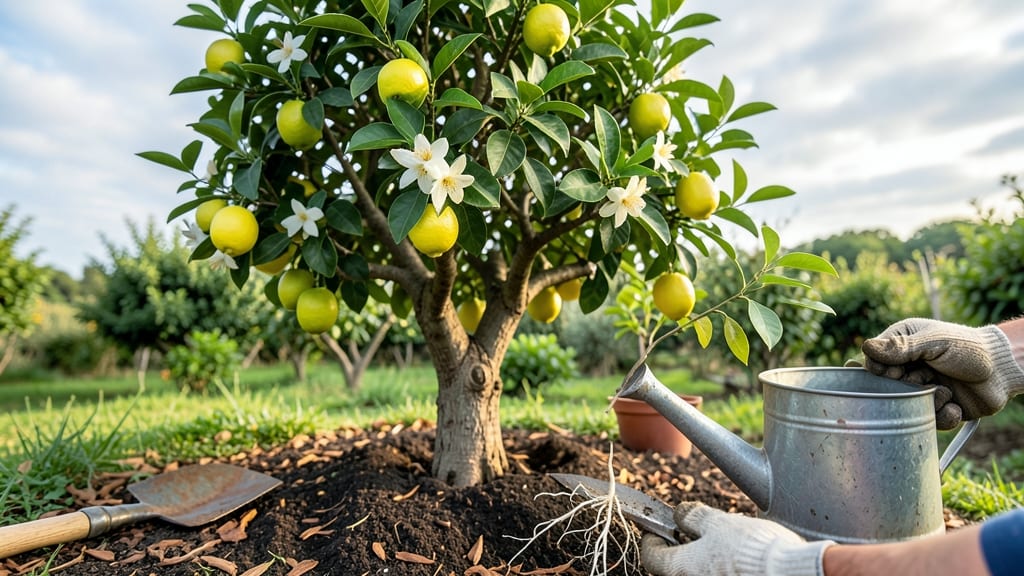
Planting a citrus tree 🍊 in Florida seems simple—until you realize timing can make the difference between a thriving orchard and a sad, stunted sapling.
The best time to plant citrus trees in Florida isn’t just about seasons; it’s about microclimates, soil warmth, and avoiding hidden risks like hurricane season or unexpected cold snaps in unexpected zones.
Most gardeners assume spring is the only safe bet, but Florida’s frost-free zones actually offer year-round planting opportunities—if you know the secrets. I’ve tested what works across North Florida’s cooler pockets, Central Florida’s heat spikes, and South Florida’s hurricane-prone summers, and the results will surprise you.
Let’s cut through the guesswork and pinpoint the exact windows that set your citrus up for success.
You’ll discover why January through March is the gold standard for most regions, but also when to bend the rules for cold-hardy varieties like Satsumas or container-grown trees. We’ll tackle the 3 critical mistakes that derail even experienced growers—and how to sidestep them. Ready to plant with confidence?
By the end, you’ll have a microclimate-specific planting calendar, plus actionable steps to prep your soil, choose the right variety, and give your citrus tree the best possible start. No more second-guessing—just thriving trees and bountiful harvests year after year.
Optimal planting months for Florida’s 4 microclimates: North vs. Central vs. South vs. coastal
Florida’s citrus trees love warmth, but not all regions play by the same rules. The state’s four distinct microclimates—North, Central, South, and Coastal—each demand unique planting windows to avoid transplant shock or frost damage.
While Florida rarely freezes, North Florida can dip below 32°F in winter, while South Florida stays balmy year-round. Let’s break down the best months to plant for each zone.
For North Florida (USDA Zones 8a-9a), your planting window is November through February. This cool-season strategy lets young roots establish before summer heat arrives. Central Florida (Zones 9a-9b) offers a slightly longer window: October through January.
Meanwhile, South Florida (Zones 10a-11) can plant August through September, avoiding hurricane season’s June-November chaos. Coastal areas? They’re the lucky ones—year-round planting is possible, but spring and fall still win for best results.
| Microclimate | Best Planting Window | Soil Prep Timing | Frost Risk | Key Consideration |
|---|---|---|---|---|
| North Florida | November–February | October (6–8 weeks before planting) | Moderate (32°F+ dips) | Avoid summer heat stress |
| Central Florida | October–January | September (6–8 weeks before planting) | Low (rare below 35°F) | Hurricane season overlap |
| South Florida | August–September | July (6–8 weeks before planting) | None (frost-free) | High humidity = fungal risks |
| Coastal Florida | Year-round (spring/fall ideal) | Anytime (adjust for season) | None (coastal breezes moderate temps) | Salt spray tolerance needed |
In North Florida, soil prep is critical. Test your soil’s pH (6.0–7.0 ideal) and amend with compost or peat moss 6–8 weeks before planting. Central Florida gardeners should focus on drainage—citrus hates soggy roots. Add sand or perlite if your soil feels clay-heavy.
For South Florida, prioritize mulching to retain moisture and block weeds, but avoid piling mulch against the trunk. Coastal areas? Rinse off salt spray after storms to protect young trees.
Timing isn’t just about months—it’s about soil temperature. Citrus roots thrive when soil stays above 60°F.
In North Florida, wait until ground temps warm in late winter. Central Florida can plant earlier, but avoid hurricane season (June–November) if possible. South Florida’s August–September window aligns with monsoon rains, which help establish roots.
Pro tip: Use a soil thermometer to confirm readiness—60°F+ is your green light.
Frost is rare in Florida, but North Florida can see light freezes in January. If planting there, choose cold-hardy varieties like ‘Satsuma’ mandarins or ‘Carrizo’ citrange.
Wrap young trees in burlap or use row covers for extra protection. Central and South Florida rarely need frost prep, but coastal areas should watch for cold fronts that can drop temps 10°F+ overnight. A windbreak helps buffer young trees.
Container planting? Coastal and South Florida gardeners can plant year-round, but spring or fall still offer the best balance of warm soil and gentle rains. For in-ground planting, avoid summer in North and Central Florida—the heat stresses young
Optimal planting months for Florida’s 4 microclimates: North vs. Central vs. South vs. coastal
Florida’s citrus planting timeline isn’t one-size-fits-all—it’s a puzzle shaped by your specific microclimate. While most regions enjoy frost-free winters, North Florida’s cooler pockets (like Jacksonville) can dip below 30°F, while South Florida’s heat (Miami) hits 90°F+ year-round.
Coastal areas add another layer with humidity and hurricane risks. Let’s break down the ideal planting windows for each zone to maximize root establishment and fruit production.
The golden rule for Florida citrus planting? Soil temperature matters more than air temperature. Roots need 60°F+ soil to thrive, which shifts your timing based on location.
For North Florida, aim for November through February when soil warms post-winter chills. Central Florida gardeners have a wider window—October through January—while South Florida’s August through September planting avoids peak hurricane season. Coastal areas? Year-round planting is possible, but spring and fall remain safest.
| Microclimate | Best Planting Window | Soil Temp Threshold | Key Considerations |
|---|---|---|---|
| North Florida (USDA 8a-9a) | November – February | 60°F+ | Avoid early Nov frost risk; prioritize cold-hardy varieties |
| Central Florida (USDA 9b-10a) | October – January | 65°F+ | Soil warms faster; watch for late-winter heat spikes |
| South Florida (USDA 10b-11) | August – September | 70°F+ | Avoid hurricane season (June-Nov); mulch heavily |
| Coastal Florida (All Zones) | Year-round (best spring/fall) | 60°F+ (varies) | Monitor humidity; use raised beds for drainage |
Why does this matter? Planting outside these windows risks transplant shock or root rot from soggy soils. For example, North Florida’s November window lets roots establish before winter chills, while South Florida’s August timing avoids hurricane winds that can uproot young trees.
Pro tip: Test soil temperature with a thermometer—if it’s below 60°F, wait. I’ve seen citrus trees planted in July in North Florida struggle until soil warmed in September.
Microclimate nuances extend to container planting. Coastal areas with sandy soil (like Tampa) benefit from year-round container citrus, but even here, spring planting (March-May) gives trees a head start before summer’s brutal heat.
If you’re in Central Florida’s inland zones, like Orlando, October planting aligns with natural rainfall patterns, reducing irrigation needs. The key? Match planting to your local rainfall calendar—don’t fight Mother Nature.
One mistake I see often? Assuming all Florida is equal. A Valencia orange tree planted in January in Miami will thrive, but the same tree in Gainesville might suffer if planted in April without winter hardening.
Always check your local frost dates (yes, even in Florida!) and adjust. For instance, Lake County (Central FL) can get 28°F dips—plant Satsuma mandarins in November to give them a buffer.
Ready to pick your perfect planting window? Start by identifying your USDA zone and local rainfall patterns, then align with the table above. For North Florida, November-February is non-negotiable; for South Florida, August-September avoids hurricane risks.
And if you’re coastal? Spring or fall still wins for minimal stress. Your citrus tree’s future harvest depends on these details—don’t skip them!