
Plants
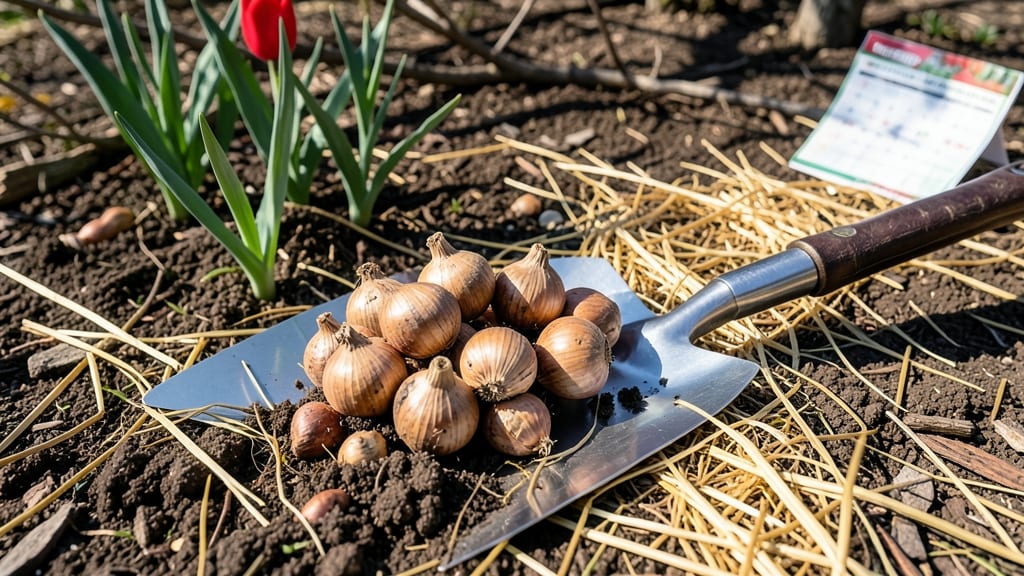
Planting tulips 🌷 in Minnesota at the wrong time can mean frost-damaged bulbs and no spring blooms—but timing it perfectly guarantees vibrant blooms that defy even the coldest winters.
The key lies in understanding your hardiness zone and local frost patterns, which can shift from September to November depending on where you live in the state.
Most Minnesota gardeners swear by fall planting between September and October, but the exact window depends on whether you're in Zone 4a or 5b. Too early, and your bulbs might sprout before winter; too late, and frost can damage them before they establish roots.
Let me show you how to pinpoint the ideal moment for your specific location.
What you'll discover here are the exact planting dates tailored to Minnesota's climate, plus soil prep tips to ensure your tulips thrive through winter. We'll also cover how to adjust for early frosts and protect your investment from heaving—so you can enjoy those May-June blooms without worry.
Whether you're a first-time gardener or a seasoned pro, these insights will help you plant with confidence. Ready to transform your yard into a springtime spectacle? Let's get started.
Minnesota tulip planting calendar: exact months by hardiness Zone (3-5)
Minnesota’s freezing winters and short growing seasons demand precision when planting tulips. The key? Planting bulbs 4-6 weeks before the ground freezes—typically between late September and mid-November. This timing lets roots establish before winter while avoiding early frost damage to tender shoots.
Your USDA hardiness zone (3-5) determines the exact window. Zone 3 (northern MN) has the earliest frost dates, while Zone 5 (southern MN) offers a slightly longer planting window. Miss the deadline by even a week, and your tulips may rot before winter or fail to bloom next spring.
For Zone 3 (e.g., Duluth, International Falls), aim for planting between September 15 and October 15.
In Zone 4 (e.g., Minneapolis, St. Cloud), you’ve got a bit more flexibility: September 20 to November 1. Zone 5 (e.g., Rochester, Winona) gardeners can plant as late as November 10, but avoid waiting past the first frost.
Here’s the critical rule: Soil temperatures should be below 60°F (15°C) but not yet frozen. Use a soil thermometer to check—this is your green light to plant. If the ground is still warm, bulbs may sprout too early and get fried by frost.
Pro tip: Early September is the safest bet for most of Minnesota. By then, summer heat has passed, and bulbs won’t overheat in the soil. Plus, you’ll have plenty of time to mulch before winter sets in.
| USDA Zone | Planting Window | Soil Temp Goal | Frost Risk | Best Varieties |
|---|---|---|---|---|
| Zone 3 (e.g., Duluth) | Sep 15 – Oct 15 | Below 60°F (15°C) | High (first frost: Oct 10) | Darwin Hybrids, Fosteriana |
| Zone 4 (e.g., Minneapolis) | Sep 20 – Nov 1 | Below 60°F (15°C) | Moderate (first frost: Oct 20) | Parrot Tulips, Fringed |
| Zone 5 (e.g., Rochester) | Sep 25 – Nov 10 | Below 60°F (15°C) | Low (first frost: Nov 5) | Double Late, Kaufmanniana |
*Varieties listed are cold-hardy and bloom reliably in Minnesota’s climate.
If you’re in doubt about frost dates, check the MN State Climatology Office or use the National Weather Service’s frost prediction tool. These resources provide localized forecasts that are far more accurate than generic planting guides.
For example, the Twin Cities metro often sees its first frost 2-3 weeks earlier than rural areas.
Don’t panic if you miss the ideal window. Late November plantings can still work if the ground hasn’t frozen solid, but success drops dramatically. Bulbs planted in December or later will likely rot over winter due to excess moisture and no root growth.
The earlier you plant, the more time roots have to anchor before winter.
For container gardening, the rules shift slightly. Potted tulips need to be planted by mid-October at the latest, as containers freeze faster than in-ground soil. Move pots to an unheated garage or basement after planting to simulate winter dormancy, then return them to sunlight in early spring.
Remember: Minnesota’s tulips thrive on timing. Plant too early, and bulbs may sprout before winter. Plant too late, and they won’t establish roots. Strike that balance, and you’ll be rewarded with bold, early spring blooms that brighten up even the grayest Minnesota days.
5 Critical factors that determine the best planting time for Minnesota tulips
Timing your tulip planting in Minnesota isn't just about picking a month—it's about understanding how soil temperature, frost dates, bulb maturity, and even snow cover interact to create the perfect window.
Miss these factors, and you risk bulbs sprouting too early or freezing before roots establish. Let’s break down the science behind the ideal planting time so your tulips thrive through Minnesota’s harsh winters.
First, soil temperature is your best friend. Tulip bulbs need the ground to be 50-60°F for optimal root growth before winter sets in. In Minnesota, this typically happens in late September to early October, but it can shift depending on your specific hardiness zone.
Too warm, and bulbs may sprout prematurely; too cold, and they’ll struggle to establish roots before frost.
Here’s what you absolutely must consider to plant at the perfect time:
Plant when soil temps hit 50-60°F—ideal for root growth before frost. Use a soil thermometer to check; Minnesota’s Zone 4a hits this in late September, while Zone 5b may wait until early October.
Aim to plant 4-6 weeks before the first hard frost (usually mid-October in Minnesota). Early frosts? Plant earlier—bulbs need time to root before ground freezes.
Fresh bulbs (planted fall) establish roots faster than spring-planted ones. Choose large, firm bulbs—they’ve stored more energy for winter survival.
Snow acts as a natural insulator, protecting bulbs from extreme cold. In northern Minnesota, deeper snow means you can plant later (up to early November) without risk.
South-facing slopes warm faster—plant 1-2 weeks earlier there. Low-lying areas with poor drainage? Wait until soil is fully dry to avoid rot.
Adjusting for early or late frosts is key. If your area gets an unusually early frost (like in 2020’s October freezeearlier—even in August if soil is workable.
Conversely, if winters are mild (like 2016), you can push planting to mid-November without risk. Always check the National Weather Service for your local frost predictions.
Pro tip: Layer bulbs in well-draining soil with compost to improve insulation. Mulch with straw or leaves after planting to lock in moisture and protect roots. With these factors nailed, your tulips will bloom beautifully next spring—no frost damage in sight!
Remember, the earlier you plant, the stronger the roots—but never sacrifice bulb maturity for speed. Balance is everything in Minnesota’s unpredictable climate. Happy planting! 🌷