
Plants
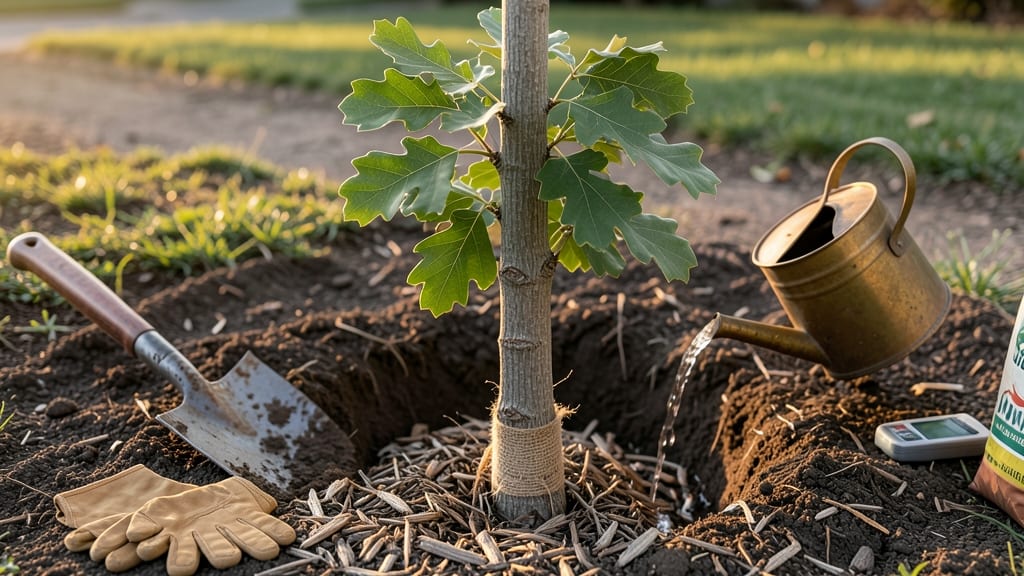
Planting a tree in Iowa isn’t just about timing—it’s about survival. With Zone 5a-5b winters that can freeze the ground solid, choosing the wrong season could mean years of struggling growth or even death for your 🌳.
But get it right, and your tree will establish strong roots before summer heat or winter cold hits.
Most gardeners assume spring is the only time to plant, but fall actually gives trees a head start. The key is understanding how Iowa’s frost-free days and soil conditions play into your decision.
Whether you’re planting a towering oak or a compact maple, the right timing makes all the difference in long-term health.
I’ll break down exactly when to plant in Iowa—whether you’re in the northern reaches of Zone 5a or the milder southern areas—so you can avoid common mistakes. From soil prep to post-planting care, you’ll discover the best practices that keep Iowa trees thriving for decades.
Ready to give your tree the strongest possible start? Let’s dive into the science behind Iowa’s planting windows and how to pick the perfect moment for your new 🌳.
Iowa’s ideal tree planting seasons by USDA Zone (spring vs fall showdown)
Iowa’s USDA zones 5a-6b create a unique challenge for tree planting—too early, and frost kills young roots; too late, and your tree struggles to establish before winter. The battle between spring and fall planting isn’t just about months—it’s about soil temperature, frost dates, and how your tree’s roots adapt.
In Zone 5a (northern Iowa), the window is tighter than in Zone 6b (southern Iowa), where mild winters extend the fall season.
Spring planting gives trees a full growing season to establish roots before winter, but Iowa’s unpredictable late frosts (often until mid-April) can be risky.
Fall planting, on the other hand, allows roots to grow in cool soil while the tree remains dormant, but planting too late risks frost heave or insufficient root development before winter. The key? Understanding your specific USDA zone and adjusting timing accordingly.
🌳 Here’s the showdown: Spring planting (March-April) is ideal for bare-root trees and species sensitive to winter stress, while fall planting (October-November) works best for container-grown trees and drought-resistant varieties. Let’s break it down by zone to help you pick the perfect time.
| USDA Zone | Spring Planting Window | Fall Planting Window | Soil Temp for Planting | Key Consideration |
|---|---|---|---|---|
| 5a (Northern IA) | Mid-April to early May | Late September to mid-October | 45-55°F (7-13°C) | Short growing season; prioritize fast-rooting species like hackberry or serviceberry. |
| 5b (Central IA) | Late March to April | Mid-October to early November | 50-60°F (10-16°C) | Balanced window; ideal for oak or maple with proper mulching. |
| 6a (Southern IA) | Early April to mid-May | Late October to November | 55-65°F (13-18°C) | Longer fall window; perfect for pine or cedar to establish before winter. |
| 6b (Extreme Southern IA) | March to early April | November (early) | 60-70°F (16-21°C) | Mild winters allow late fall planting; avoid after first frost (usually mid-October). |
In Zone 5a, where winters are harshest, spring planting is often the safer bet. The soil warms quickly in April, giving roots a head start before summer heat.
However, if you choose fall, aim for late September—this gives roots 6-8 weeks to establish before the ground freezes. Zone 6b, meanwhile, offers more flexibility, with November planting still viable if the ground isn’t frozen.
One critical factor often overlooked is soil moisture. Iowa’s clay-heavy soils can become waterlogged in spring, while fall planting benefits from natural rainfall as winter approaches. Test your soil’s drainage before planting—amend with compost if needed.
In Zone 5b and 6a, where spring rains are common, opt for trees like red oak or sugar maple, which tolerate wetter conditions.
For container-grown trees, fall is often the best choice across all zones. Their roots are already established in the pot, so they adapt more easily to Iowa’s cool fall temperatures. Just avoid planting when ground temps drop below 40°F (4°C), as this can shock roots.
If you’re planting bare-root trees in spring, soak the roots for 1-2 hours before planting to rehydrate them.
Don’t forget about mulching—a 3-inch layer of wood chips or straw helps retain moisture and regulate soil temperature. In Zone 5a, apply mulch in early October to protect roots from frost heave.
In Zone 6b, you can mulch as late as mid-November, but avoid piling mulch against the trunk to prevent rot.
Timing isn’t the only variable—tree species matters too. Deciduous trees like oak and maple thrive when planted in fall, while evergreens (e.g., blue spruce) prefer spring to avoid winter desiccation. Check Iowa State University Extension’s tree planting guides for species-specific advice tailored to your zone.
Pro tip: Mark your calendar for Iowa’s average frost dates. In
5 Critical factors to consider before planting in Iowa’s climate
Iowa’s Zone 5a-5b climate demands precision when planting trees. The wrong conditions can leave your tree struggling through freeze-thaw cycles or summer droughts. Even the hardiest species need the right setup to survive Iowa’s extremes. Let’s break down the non-negotiable factors that separate thriving trees from failed investments.
First, soil moisture levels are critical. Iowa’s clay-heavy soils retain water but can suffocate roots if not amended. In Zone 5a, where winters are longer, soil stays frozen longer—meaning roots need extra protection.
If you’re in southern Iowa (Zone 5b), your soil may dry out faster in summer, requiring deeper watering routines.
- 1 Soil Moisture: Zone 5a needs well-draining soil with organic matter to prevent root rot. Test soil before planting—aim for 60% permeability.
- 2 Wind Exposure: Urban areas (like Des Moines) have higher wind speeds than rural zones. Plant windbreak species (e.g., eastern red cedar) on exposed sites to reduce stress.
- 3 Winter Hardiness: Zone 5a trees must tolerate -20°F temps. Avoid tender species like crape myrtle—opt for bur oak or hackberry instead.
- 4 Irrigation Needs: Newly planted trees need 10-15 gallons of water weekly in summer. Drip irrigation is best—surface watering wastes resources and promotes fungal growth.
- 5 Microclimates: Urban heat islands (e.g., Cedar Rapids) can raise temps by 5-10°F. Choose heat-tolerant species like green ash or sycamore for city planting.
Next, wind exposure can make or break your tree’s survival. In Iowa’s open prairie regions, winds exceed 20 mph in winter, stripping bark and drying roots. If your yard is exposed, select flexible-stemmed species like silver maple or use a windbreak fence during the first year.
Even in cities, urban canyons (tight streets) create wind tunnels—plant on the leeward side of buildings.
Winter hardiness is non-negotiable in Zone 5a, where subzero temps can kill tender roots. Always check a species’ cold hardiness zone—even if it’s labeled for Zone 5, 5a’s shorter growing season means slower recovery. For example, redbud trees struggle in northern Iowa but thrive in Zone 5b. When in doubt, consult the Iowa State University Extension hardiness map.
Don’t overlook irrigation needs, especially in Iowa’s summer droughts. A newly planted tree’s root ball can dry out in 48 hours without water. Use mulch rings (3-4 inches deep) to retain moisture, but keep mulch 6 inches away from the trunk to prevent rot.
In Zone 5a, water deeply once a week until the first frost; in Zone 5b, increase to twice weekly during heatwaves.
Finally, Iowa’s microclimates create dramatic differences between urban and rural sites. Cities like Des Moines experience urban heat islands, where pavement raises temps by 10°F—ideal for drought-tolerant species like honey locust.
Meanwhile, rural areas have cooler nights and higher humidity, favoring moisture-loving trees like river birch. Always adjust your planting strategy based on whether you’re in a concrete jungle or a field setting.
By addressing these five critical factors, you’ll give your Iowa tree the best chance to establish deep roots and weather decades of climate shifts. Skip any step, and you risk years of stunted growth—or worse, failure.
Start with soil prep, and your tree will thank you for lifetimes to come.