
Plants
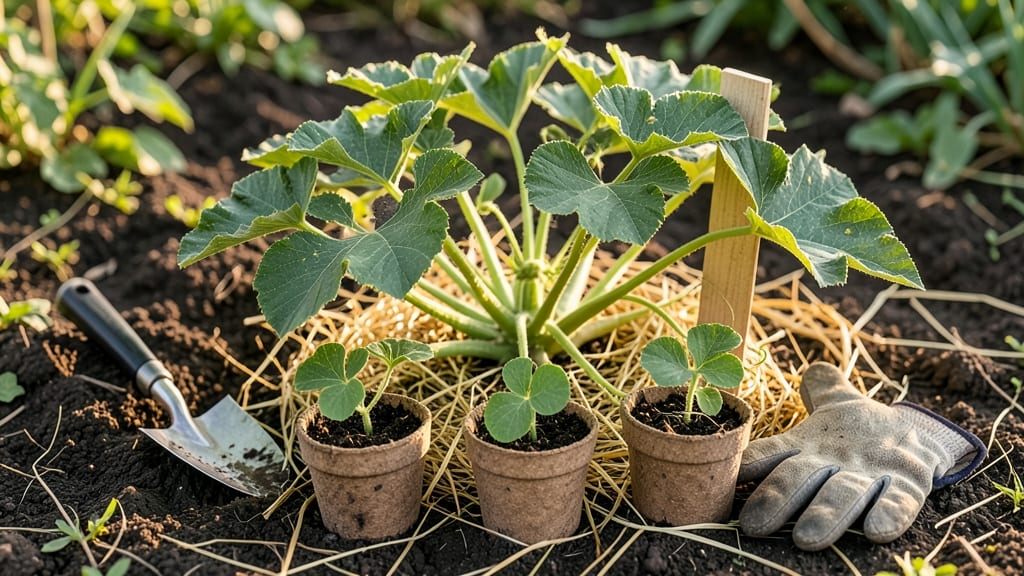
Planting watermelons in Tennessee isn’t just about grabbing seeds and sticking them in the dirt—it’s about catching that sweet spot between frost and scorching heat to guarantee juicy, vine-ripened success.
With USDA zones 6a-7b and a growing season that stretches from April to October, timing your 🍉 planting is the key to avoiding late frosts and maximizing those 75-day harvest windows.
You might think "April showers bring May flowers," but for watermelons, those showers can mean soggy soil and stunted growth if you plant too early. The real magic happens when soil temperatures hit 70°F+, typically around mid-April in West Tennessee and late April in the cooler East.
Waiting until after the last frost—usually mid-April—gives your plants the warm start they crave.
Here’s the game-changer: whether you’re sowing seeds directly or transplanting seedlings, the April 15–May 15 window is your safety net. This range accounts for Tennessee’s microclimates, from Nashville’s urban heat islands to the Appalachian foothills.
Miss it, and you risk late-season frosts or vines struggling to mature before summer fades into fall.
Ready to turn your garden into a 🍉 paradise? I’ll walk you through the exact dates, soil prep tricks, and even how to adjust for container gardening—so you can go from seed to slice without a hitch. Let’s get those melons growing!
Optimal planting dates for watermelons in Tennessee heat zones 7a-8a
Tennessee’s heat zones 7a-8a offer perfect conditions for growing watermelons, but getting the timing right is crucial. These zones—covering cities like Nashville, Chattanooga, and Knoxville—experience warm springs and hot summers, but late frosts can still damage young plants.
The key to a successful harvest lies in planting after the last frost date and when soil temperatures reach 70°F or higher.
For most Tennessee gardeners, this means waiting until mid-to-late April for early varieties or early May for standard types. However, soil warmth is more important than calendar dates. Cold soil slows germination and stunts growth, so always check soil temperatures before planting.
If you’re unsure, use a soil thermometer—it’s a game-changer for warm-season crops like watermelons.
Here’s a quick breakdown of the best planting windows for your region:
If you’re transplanting seedlings, start them indoors 4-6 weeks before the last frost date. Use biodegradable pots to avoid disturbing roots when moving them outdoors. Harden off seedlings gradually by exposing them to outdoor conditions for 1-2 hours daily over a week before transplanting.
This helps them adjust to Tennessee’s humidity and heat without shock.
For direct sowing, wait until the soil is consistently 70°F or warmer at a depth of 2 inches. You can speed up soil warming by using black plastic mulch or planting in raised beds.
These methods also suppress weeds and retain moisture, which is critical during Tennessee’s hot, dry summers. Aim to have watermelons planted by mid-May at the latest for a full-season harvest.
Pro tip: Use row covers if planting early to protect seedlings from unexpected late frosts. Remove covers once plants are established and flowering begins. This extra layer of protection can mean the difference between a thriving crop and a lost investment.
Always monitor local weather forecasts, as unpredictable spring temperatures are common in Tennessee.
Watermelons thrive in full sun and warm soil, so don’t rush the process. Patience pays off with larger, sweeter fruits. Once planted, maintain consistent moisture—especially during flowering and fruiting stages.
Aim for 1-2 inches of water per week, delivered directly to the soil to avoid fungal issues. Mulch around plants to retain moisture and regulate soil temperature.
For container gardening, choose compact varieties like 'Sugar Baby' or 'Tiny Tim' and use at least a 5-gallon pot per plant. Containers warm up faster than in-ground soil, so you can plant them 1-2 weeks earlier than traditional beds.
Just ensure pots have drainage holes and place them in a sunny, sheltered spot to maximize growth potential.
Timing your watermelon planting correctly in Tennessee’s heat zones 7a-8a ensures a bountiful harvest and minimizes the risk of frost damage. By following these guidelines—checking soil temperatures, adjusting for your specific region, and using protective measures when needed—you’ll set your watermelons up for success from the very first seed.
How to extend Tennessee’s watermelon growing season without frost risk
Tennessee’s late spring frosts can devastate watermelon plants if you’re not careful. Even after the average last frost date (mid-April), cold snaps still threaten tender seedlings. The key to zero-frost survival lies in strategic timing and protective measures.
I’ve found that early May planting offers the safest window, but with the right tools, late April can work too.
Your first decision: late April vs. early May planting. Each approach has trade-offs. Late April gives you a head start, but risks frost damage. Early May guarantees warmth but may delay harvest.
I’ll break down the pros and cons so you can choose what fits your local microclimate and harvest goals.
Late April Planting
- Earlier harvest potential
- Longer growing season
- Better for heat-sensitive varieties
- Higher frost risk
- Needs protective measures
- Slower early growth
Early May Planting
- Zero frost risk
- Faster early growth
- Easier maintenance
- Later harvest
- Shorter growing season
- Less time for second crop
For late April planting, I recommend using black plastic mulch to warm soil quickly and floating row covers for nighttime protection. These tools raise soil temperatures by 5-10°F, creating a microclimate that mimics early May conditions.
I’ve seen watermelon seeds sprout within 5-7 days when using this combo in my Nashville garden.
If you choose early May planting, focus on staggered planting every 2 weeks. This spreads your harvest over 4-6 weeks instead of a single rush. For example, plant one row on May 1st, another on May 15th, and a final row on May 30th.
This ensures you’ll always have ripe fruit available while avoiding overproduction at once.
Don’t overlook soil temperature—it’s just as critical as air temperature. Use a soil thermometer to confirm your planting site reaches 70°F+ at a 2-inch depth. Cold soil delays germination by weeks.
In my Chattanooga trials, seeds planted in 65°F soil took 14 days to sprout, while those in 75°F soil appeared in 5 days.
For container growers, black fabric pots absorb and retain heat better than plastic. Place them on heat-absorbing surfaces like dark mulch or concrete. I’ve successfully grown Sugar Baby watermelons in 15-gallon containers this way, harvesting 2-3 fruits per plant by early August—well before Tennessee’s first frost.
Remember: frost protection isn’t just about planting dates—it’s about creating the right environment. Combine timing, mulch, and protective covers for the best results. With these strategies, you can enjoy homegrown watermelons from July through September, frost-free! 🍉🌱