
Plants
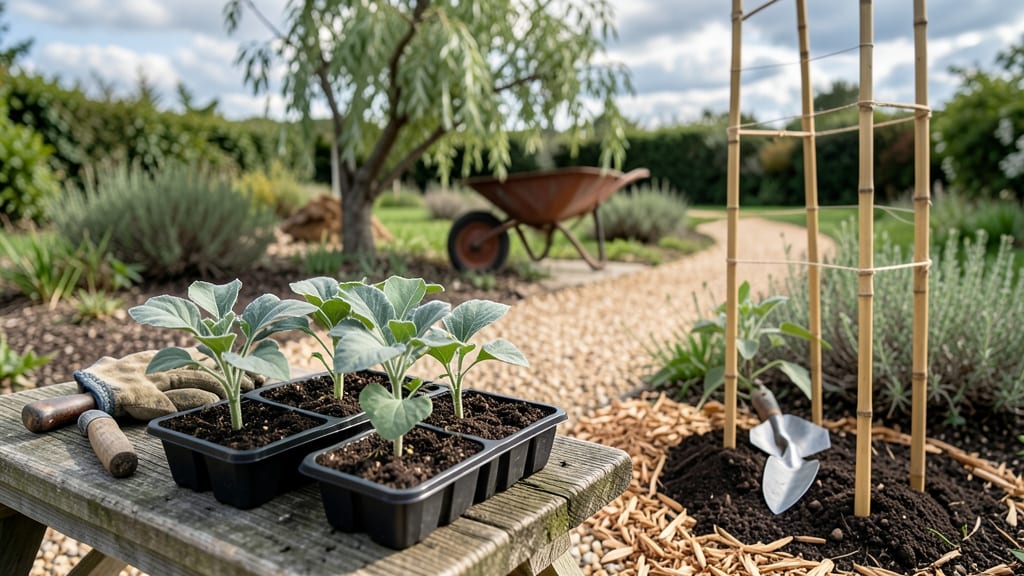
Planting eggplant in Georgia after the last frost could mean the difference between a thriving 🍆 harvest and wasted effort. With the right timing, you'll enjoy plump, glossy fruits all summer long—but get it wrong, and you might end up with stunted plants or even frost damage.
In Heat Zone 8A, where warm weather arrives early, the window to plant eggplant runs from mid-April to mid-June. That might seem like a broad range, but soil temperature and local microclimates play a huge role in success.
Let me break down exactly when to start seeds indoors, when to transplant, and how to adjust for your specific corner of Georgia.
You’ll also discover how to prep your soil for maximum heat retention, which varieties thrive best in Georgia’s climate, and why some gardeners accidentally plant too early—leading to transplant shock. Avoiding these common mistakes could save you from losing your entire crop before it even begins.
By the end, you’ll have a clear, actionable timeline tailored to your location, so you can confidently start your eggplant seeds and transplants at the perfect moment. Let’s get those plants growing strong and ready for harvest by summer!
Georgia eggplant planting timeline: exact dates for heat zone 8A success
Georgia’s Heat Zone 8A offers an ideal climate for growing eggplant, but precise timing ensures your plants thrive. The last frost date typically falls between March 15 and April 15, but soil temperature is more critical than air temperature.
Eggplant roots need soil at 60°F+ to establish properly—waiting for this warmth prevents transplant shock.
In Atlanta (Zone 7b-8a), the frost-free window usually opens around April 15, while Savannah (Zone 8a-8b) can start as early as March 20. Always verify local frost data using the National Weather Service or Almanac tools to adjust your schedule.
Planting too early risks frost damage, while waiting too long shortens the growing season.
Eggplant thrives in Georgia’s heat but needs a 75-100 day growing season. Start transplants 4-6 weeks before the last frost date to ensure they’re mature enough for harvest. For example, if your last frost is April 1, begin planting around February 28-March 15.
Here’s a quick reference for your planting timeline based on Georgia’s regional variations:
| Region | Last Frost Date | Ideal Planting Window | Soil Temp Threshold | Harvest Window |
|---|---|---|---|---|
| Atlanta (Zone 7b-8a) | April 15 | April 15 - May 15 | 60°F+ | July - October |
| Savannah (Zone 8a-8b) | March 20 | March 20 - April 30 | 60°F+ | June - November |
| Columbus (Zone 8a) | March 25 | March 25 - May 1 | 60°F+ | June - October |
For extended harvests, consider a second planting in early June. Choose compact varieties like ‘Fairy Tale’ or ‘Ichiban’ for shorter growing seasons. These varieties mature in 60-70 days, making them ideal for late-season plantings.
Use black plastic mulch to warm soil faster and retain moisture, especially in sandy soils common in Coastal Georgia. This technique can push your planting window 2-3 weeks earlier by raising soil temperatures by 5-10°F. Always monitor soil moisture—eggplant needs 1-2 inches of water per week during fruiting.
If you’re unsure about your last frost date, check the University of Georgia Extension or local Cooperative Extension Service for updated data. These resources provide hyper-localized advice tailored to your county’s microclimate. For example, urban Atlanta areas may experience 2-3°F cooler nights than rural zones.
Transplant eggplant seedlings on overcast days or late afternoon to reduce stress. Harden off seedlings for 7-10 days before planting by gradually exposing them to outdoor conditions. This step is crucial for heat zone 8A, where sudden temperature swings can shock young plants.
Once planted, eggplant thrives in Georgia’s heat but may struggle if nights dip below 55°F. Use row covers or cold frames for early plantings in North Georgia to protect against unexpected chilly spells.
Regularly prune suckers to focus energy on fruit production and watch for aphids or flea beetles, common pests in Georgia gardens.
With the right timing, your eggplant can produce fruit from July through October, giving you a steady harvest for fresh eating, grilling, or preserving. Start early, monitor soil temps, and adjust for your specific microclimate to maximize your yield in Georgia’s Heat Zone 8A. 🌱
5 Critical factors that determine your eggplant planting window in Georgia
Georgia’s Heat Zone 8A offers a long growing season, but your eggplant’s success hinges on five key factors beyond just the calendar date. First, soil temperature matters more than air temperature—eggplants need soil at 70°F+ to thrive, not just warm air.
Cold soil delays growth, so always check with a soil thermometer before planting.
Next, your eggplant variety dictates timing. Long-season varieties like ‘Black Beauty’ need 80+ days to mature, while compact types like ‘Fairy Tale’ can harvest in 60 days. Choose short-season varieties if planting near June’s deadline to avoid fall frost risks.
- Soil Temp: 70°F+ (use black plastic mulch to warm soil faster)
- Variety: Long-season (80+ days) vs. compact (60 days)
- Microclimate: Urban areas stay 5°F+ warmer than rural zones
- Frost Risk: Last frost in Atlanta (March 15) vs. Savannah (Jan 31)
- Season Extension: Row covers add 2-3 weeks to fall harvests
Your microclimate also shifts planting windows. Urban Atlanta gardens can be 5°F warmer than rural areas, allowing earlier starts. Use a minimum thermometer to track nighttime lows—eggplants wilt if temps drop below 55°F. For cooler pockets, opt for black plastic mulch to raise soil temps by 5-10°F.
Don’t ignore regional frost dates. While Atlanta’s last frost averages March 15, Savannah’s is January 31. Check your local cooperative extension for precise data. Pro tip: Plant ‘Ichiban’ (a Japanese variety) if you’re near the coast—it handles humidity better than traditional types.
Finally, extend your season with row covers or cold frames. These add 2-3 weeks to fall harvests by trapping heat. For late starts, use biodegradable plant collars to protect young seedlings from unexpected chills. With these factors in mind, you’ll nail your eggplant planting window every time!