
Plants
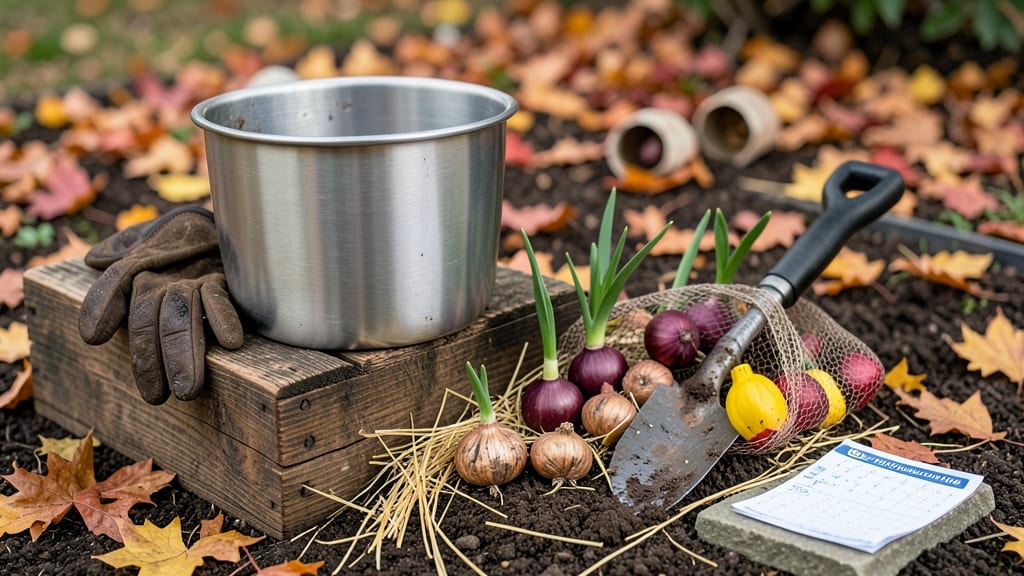
Planting tulips in Ohio at the wrong time could mean waiting another year for those 🌷 blooms to appear—unless you follow the perfect timing window for your specific microclimate.
The key to vibrant spring tulips lies in getting those bulbs into the ground 4-6 weeks before the first frost, typically between October and November, when soil temperatures dip into the 40–50°F range.
Ohio’s USDA Zone 6a climate means you’re not just battling frost—you’re navigating unpredictable weather shifts that can turn a good planting season into a guessing game.
Whether you’re in Columbus, Cincinnati, or Cleveland, the right timing ensures your tulip bulbs establish roots before winter sets in, setting you up for bold blooms next April or May.
But here’s the catch: not all parts of Ohio freeze at the same time. Urban areas like Columbus often experience earlier frosts than rural spots, while southern Ohio might have a few extra weeks.
I’ll break down the exact planting dates for Ohio’s five microclimates, so you can avoid common mistakes and give your tulips the best shot at success.
Ready to transform your garden into a springtime spectacle? Let’s dive into the step-by-step guide that’ll have you planting with confidence—no more second-guessing, just foolproof tulip timing tailored to Ohio’s quirks.
Ohio’s tulip planting timeline by region: exact dates for zero-frost success
Ohio’s diverse microclimates mean your tulip planting window can vary by 10-14 days depending on where you live. The key is planting when soil temperatures hit 40–50°F and 4-6 weeks before hard frost.
Urban areas like Columbus often freeze earlier than rural zones, so adjust accordingly. Let’s break down the exact planting dates for Ohio’s five regions to ensure your bulbs thrive.
For zero-frost success, aim to plant tulips when daytime highs stay below 60°F and nights dip into the 30s–40s. This timing lets roots establish before winter while protecting blooms from late-season thaws.
Ohio’s USDA zones 5b–6a create regional differences, so we’ve tailored dates to match local frost patterns.
Here’s how Ohio’s five microclimates compare for tulip planting:
If you’re in urban areas, plant 3–7 days earlier than rural zones due to urban heat islands delaying frost. For example, downtown Columbus may need bulbs in the ground by October 24, while suburban areas can wait until November 1.
Always check local frost date forecasts—the National Weather Service provides 7-day outlooks for Ohio.
For extra insurance, plant Darwin Hybrid tulips—they’re the hardiest and bloom 2–3 weeks earlier than standard varieties. These frost-resistant bulbs also handle Ohio’s unpredictable thaws better. Pair them with mulch (3–4 inches) after planting to insulate roots during temperature swings.
Missed the window? Spring planting is possible but risky—only try with pre-chilled bulbs (available at garden centers) in March. Plant 2 inches deeper than fall and keep soil moist until shoots appear. However, fall planting guarantees stronger blooms and better bulb survival.
Pro tip: Mark your tulip beds with stakes or flags after planting. Ohio’s snow cover can hide beds, and digging up established bulbs can damage them. A simple garden flag saves time next spring
How to adjust tulip planting for Ohio’s unpredictable weather patterns
Ohio’s unpredictable frost patterns can turn tulip planting into a high-stakes gamble. One year, you might experience a late October freeze, while another brings an unseasonably warm November.
To outsmart Mother Nature, I’ve developed a three-step adjustment system that accounts for Ohio’s most common weather pitfalls—late frosts, urban heat islands, and early thaws.
First, let’s address the biggest risk: late frosts. In Columbus, for example, the average first frost hits November 15, but it’s not uncommon for temperatures to dip below freezing as late as December 1.
If you plant too early, your tulip bulbs may sprout prematurely and get fried by a sudden cold snap. The solution? Use a soil thermometer to confirm temperatures are consistently below 50°F before planting.
For gardeners in urban heat islands like Cincinnati, the challenge is different. Asphalt and concrete can raise soil temperatures by 5–10°F, tricking bulbs into sprouting too soon. To counteract this, I recommend planting in shadier spots or using black plastic mulch to absorb excess heat and insulate the soil.
This simple trick can delay sprouting by 10–14 days, giving your tulips a fighting chance in unpredictable urban microclimates.
⚠️ WARNING: Ohio’s Frost Gambit Ohio’s microclimate variations mean your neighbor’s perfect planting time might be a disaster for you.
Here’s the critical rule: Never plant tulips before your local first frost date minus 4–6 weeks. For example: - Columbus (Zone 6a): Plant between October 15–November 1 - Cincinnati (Urban Heat Island): Plant between October 20–October 30 - Cleveland (Cooler Northwest): Plant between September 25–October 15 If you miss the window, don’t panic—backup planting dates exist!
Store bulbs in a cool, dark place (like a garage) and replant in early December if the ground is still workable. Just be prepared for smaller blooms the first year.
Another pro move? Adjust your bulb planting depth based on soil type. In sandy soils (common in northern Ohio), plant bulbs 8 inches deep to protect them from temperature fluctuations.
In clay-heavy soils (like those in southern Ohio), 6 inches deep is ideal to prevent waterlogging. Pro tip: Mix in compost or perlite to improve drainage and insulation.
For gardeners in high-frost zones, I swear by a straw mulch blanket after planting. Spread a 4-inch layer of straw over the soil to create an insulating barrier. This extra layer can delay frost penetration by up to 2 weeks, giving your tulip roots more time to establish.
Just remember to remove the mulch in early spring to prevent rot.
Finally, keep a risk-assessment checklist handy before planting. Ask yourself: - Has my area had unusually warm falls recently? - Am I in an urban heat island? - Is my soil well-draining or prone to waterlogging?
By answering these questions, you’ll fine-tune your planting strategy to Ohio’s quirks—no more frozen sprouts or missed blooms! With these adjustments, your tulips will thrive despite Ohio’s weather whims.