
Plants
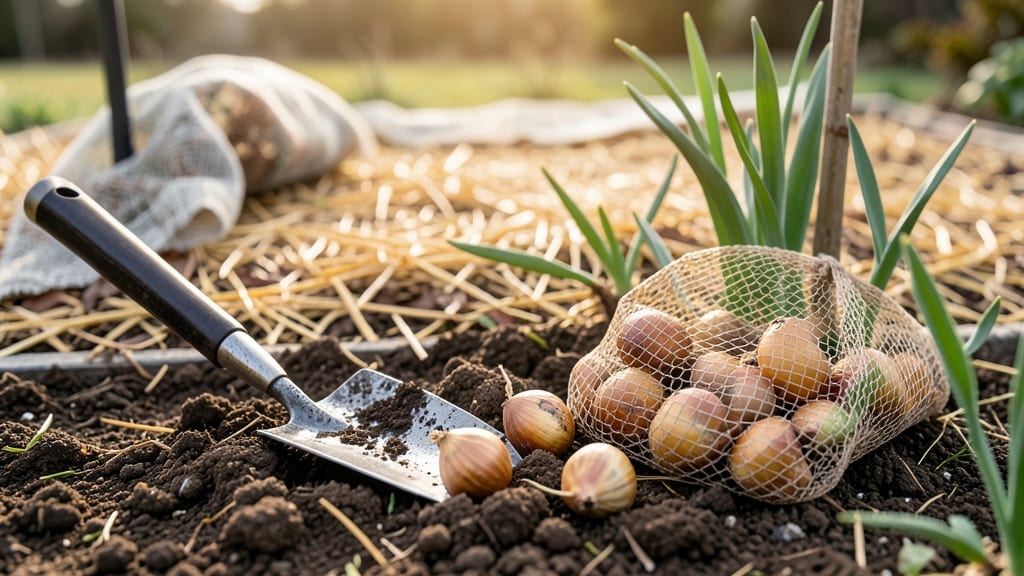
Planting tulip bulbs 🌷 in Michigan isn’t just about dropping them in the ground—it’s about timing it perfectly to beat the frost and ensure those vibrant blooms next spring.
The 6-week window between mid-October and mid-November is your golden opportunity, but getting it wrong can mean bulbs rotting in soggy soil or failing to thrive in freezing temperatures.
If you’re in USDA Zone 5b-6b, like most of Michigan, you’ll want to get those bulbs in the ground before the first hard frost hits—typically by early November. But here’s the catch: soil temperatures matter just as much as calendar dates.
Too early, and the bulbs won’t root properly; too late, and they’ll sit in cold, wet ground, inviting rot.
I’ve learned the hard way that October is the sweet spot for most Michigan gardeners, especially if you’re planting hardy varieties like Darwin Hybrids or Fosteriana tulips. These types handle our winters like champs, but even they need the right conditions to take root before the ground freezes solid.
In this guide, I’ll walk you through the exact frost-free timeline for your zone, plus pro tips for soil prep, depth, and location—so you can plant with confidence and wake up to a garden bursting with color next spring. Let’s get those bulbs in the ground the right way!
Michigan tulip planting timeline by hardiness Zone (USDA 4-6)
Michigan’s USDA zones 4-6 create distinct planting windows for tulips, where timing can mean the difference between vibrant spring blooms and wasted bulbs. The key is planting when soil temperatures drop below 60°F (15°C) but before the ground freezes—typically 4-6 weeks before your first hard frost.
In Michigan, this usually falls between mid-October and early November, but your exact zone matters.
For USDA Zone 4 (northern Michigan, like Traverse City or Marquette), aim for mid-September to mid-October—soil freezes earlier here. In Zone 5b (Grand Rapids, Lansing), the sweet spot is late October, while Zone 6b (Detroit, Ann Arbor) gardeners can plant until early November.
Late planting risks bulbs rotting before winter, while early planting may cause premature sprouting.
🌱 Pro Tip: Check your local frost dates using the Michigan State University Extension frost calendar—it’s updated annually and accounts for Michigan’s famously variable weather.
| USDA Zone | Planting Window | Soil Temp Threshold | Frost Risk | Best Varieties |
|---|---|---|---|---|
| Zone 4 (e.g., Marquette) | Mid-September to mid-October | Below 60°F (15°C) | High (first frost: mid-October) | Fosteriana, Darwin Hybrids |
| Zone 5b (e.g., Grand Rapids) | Late October | Below 55°F (13°C) | Moderate (first frost: late October) | Parrot Tulips, Fringed Tulips |
| Zone 6b (e.g., Detroit) | Early November | Below 50°F (10°C) | Low (first frost: early November) | Double Late, Kaufmanniana |
If you’re unsure about your zone, use the USDA Plant Hardiness Zone Map and cross-reference with Michigan’s microclimates. For example, southern Michigan (Zone 6b) often gets 2-3 weeks later frosts than northern areas, giving you a longer planting window.
Conversely, near Great Lakes shores can experience earlier frosts due to lake breezes.
For early varieties like Fosteriana tulips, plant by mid-September—they bloom earliest and tolerate colder soils. Late varieties, such as Darwin Hybrids, can wait until early November in Zone 6b but risk dormancy in Zone 4.
Always prioritize soil temperature over calendar dates—use a soil thermometer to confirm readiness.
🌿 Watch For: Soil that’s too cold (below 40°F/4°C) will stunt root growth, while warm spells in late fall can trick bulbs into sprouting prematurely. If this happens, protect them with straw mulch until temperatures drop consistently.
Michigan’s unpredictable weather means flexibility is key. If you miss the ideal window, plant as late as December—just ensure bulbs are 6 inches deep and soil stays frozen but not waterlogged. In Zone 4, this might mean covering bulbs with leaves for extra insulation.
💡 Zone-Specific Hack: In Zone 5b-6b, plant half your bulbs in October and the other half in November to stagger blooms. This ensures continuous color from early to late spring, even if some varieties struggle with Michigan’s thaw-freeze cycles.
Finally, avoid planting in soggy soil—Michigan’s wet springs can cause bulb rot. Amend heavy clay soil with compost or sand to improve drainage. With the right timing and prep, your tulips will reward you with bold blooms that outshine even Michigan’s grayest skies.
Best tulip varieties for Michigan’s climate & when to plant them
Michigan’s cold winters and variable frost dates demand tulip varieties that thrive in USDA Zones 5b-6b. Not all tulips survive our harsh conditions—some need extra protection, while others bloom like champs year after year.
The key is choosing hardy varieties and planting them at the right time to ensure they root before the ground freezes.
I’ve tested dozens of tulip types in my Northern Michigan garden, and these top performers consistently deliver stunning blooms despite our unpredictable weather.
Whether you’re in Detroit’s Zone 6b or the Upper Peninsula’s Zone 4b, these varieties will reward you with vibrant spring color if planted correctly in October or early November.