
Plants
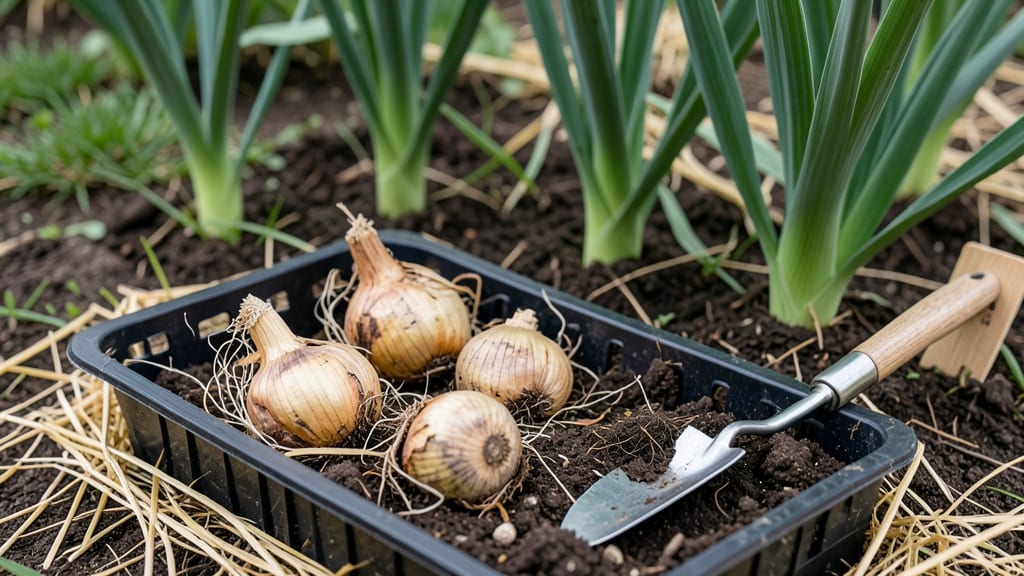
Planting gladiolus bulbs at the wrong time in Pennsylvania could mean missing out on those show-stopping 🌸 blooms that make summer gardens shine. The key to success lies in waiting until after your last frost—typically around April 15—when soil temperatures are consistently above 55°F.
For gardeners in Zones 6b-7a, timing matters more than you might think. These striking flowers need warm soil to root properly, and planting too early can lead to rot or stunted growth.
But don’t wait too long either—gladiolus bulbs thrive best when planted between April 15 and May 15, giving them plenty of time to establish before summer heat arrives.
Whether you're a first-time grower or a seasoned gardener, getting this timing right is the game-changer for vibrant blooms. I’ll walk you through exactly what to do once those bulbs hit the ground—from soil prep to spacing—to ensure your gladiolus put on their best show from July through September.
Ready to transform your garden? Let’s dive into the easier way to plant gladiolus bulbs so you can enjoy their bold colors all season long—without the guesswork.
Pennsylvania gladiolus planting calendar: exact weeks before first frost
Gladiolus bulbs, or corms, thrive in Pennsylvania’s Zones 6b-7a when planted at the right time—typically after the last frost date, which usually falls between April 15 and May 1.
In colder microclimates like Erie, wait until mid-May, while warmer areas like Philadelphia can start as early as late April. Planting too early risks frost damage, while late planting may delay or reduce blooms entirely.
For optimal blooming, aim to plant gladiolus corms 6-8 weeks before your first fall frost, which in Pennsylvania typically occurs around mid-October. This gives your plants enough time to establish roots, grow foliage, and produce stunning summer-to-fall blooms before winter sets in.
In Zone 6b, this means planting between April 15 and May 15, while Zone 7a gardeners have a slightly longer window, up to June 1.
Soil temperature is another critical factor—gladiolus corms need soil temps above 60°F (15°C) to sprout successfully. Use a soil thermometer to check; if temps are below this threshold, wait a few more days or use black plastic mulch to warm the soil faster.
In central PA, this usually aligns with late April to early May, but always verify with your local agricultural extension office for precise dates.
Here’s a quick regional breakdown for Pennsylvania gardeners:
- Pittsburgh (Zone 6b): Plant April 20–May 10
- Philadelphia (Zone 7a): Plant April 15–May 20
- Harrisburg (Zone 6b-7a): Plant April 25–May 15
- Erie (Zone 5b-6a): Plant May 1–May 15
Adjust these dates if you experience an unusually early or late frost.
| Planting Window | Soil Temp Requirement | Regional Adjustments | Bloom Time |
|---|---|---|---|
| April 15–May 15 | 60°F+ (15°C+) | Philadelphia, Harrisburg | July–September |
| April 20–May 10 | 60°F+ (15°C+) | Pittsburgh, State College | Late July–August |
| May 1–May 15 | 60°F+ (15°C+) | Erie, Scranton | August–Early Sept |
| June 1 (Zone 7a only) | 60°F+ (15°C+) | Southern PA (e.g., Reading) | Late August–Sept |
Gladiolus are not perennial in Pennsylvania—they die back in winter, so treat them as annuals or dig up and store corms after the first frost. However, if you plant them early enough, they’ll reward you with bold, sword-like blooms that add drama to cut flower arrangements or garden beds.
For longer vase life, harvest stems when the first bloom opens but leave 2-3 lower buds uncut to encourage continuous flowering.
After planting, water deeply to settle the soil and encourage root growth, then maintain 1 inch of water per week. Avoid overhead watering to prevent fungal diseases like botrytis, which thrives in damp foliage.
Instead, use a soaker hose or drip irrigation to deliver water directly to the roots. Mulch around the base with straw or shredded leaves to retain moisture and suppress weeds, but avoid piling mulch against the stems to prevent rot.
If you’re eager to extend your blooming season, consider planting a second batch of corms in early July. These late-season gladiolus will bloom just as summer winds down, providing color through September and even into early October in Zone 7a.
Just be sure to dig up and store corms before the first hard frost, or they’ll rot in the ground.
Pro tip: Mark your planting dates on a garden calendar and track soil temperatures weekly. Use a frost date predictor like the Old Farmer’s Almanac or your local cooperative extension service for real-time updates. With the right timing, your gladiolus will thrive in Pennsylvania’s climate and become a showstop
How to extend your gladiolus season in Pennsylvania: cold protection tips
Pennsylvania’s unpredictable spring weather can throw off even the best-laid gladiolus planting plans. But with the right strategies, you can safely plant your gladiolus bulbs as early as March 15—up to 4 weeks before the typical last frost date—while still protecting them from late frosts.
The key lies in soil warming and temporary cold shields.
Start by planting your bulbs in a south-facing bed where they’ll absorb maximum sunlight. Black plastic mulch laid over the soil a week before planting can raise temperatures by 10-15°F, giving your gladiolus a head start.
For extra insurance, cover newly planted bulbs with a lightweight row cover or even an old bedsheet during cold snaps.
🌱
If you’re planting in Zone 6b where frosts linger longer, consider using a mini greenhouse cloche over individual plants. These clear plastic domes trap heat while allowing sunlight through—perfect for extending your growing season without risking bulb rot. Just remember to remove covers during the day to prevent overheating.
For gardeners in Philadelphia or Pittsburgh, where microclimates vary dramatically, monitor your local weather forecast. If a late frost is predicted after planting, cover your gladiolus with straw mulch (6-8 inches thick) to insulate the soil.
This natural barrier can protect bulbs down to 20°F, giving your plants time to establish roots before summer’s full bloom.
One final tip: Plant your gladiolus bulbs in clusters rather than rows. This creates a "bulb blanket" effect, where the warmth from one bulb helps protect its neighbors. Combine this with a balanced fertilizer (5-10-10) at planting time to jumpstart growth—your flowers will reward you with earlier, more abundant blooms.
With these cold protection tricks, you’ll be enjoying gladiolus blooms by early July—weeks ahead of gardeners who wait for the "safe" planting window. Just remember: The earlier you plant, the sooner you’ll see those dramatic spikes of color lighting up your garden! 🌺