
Flowers
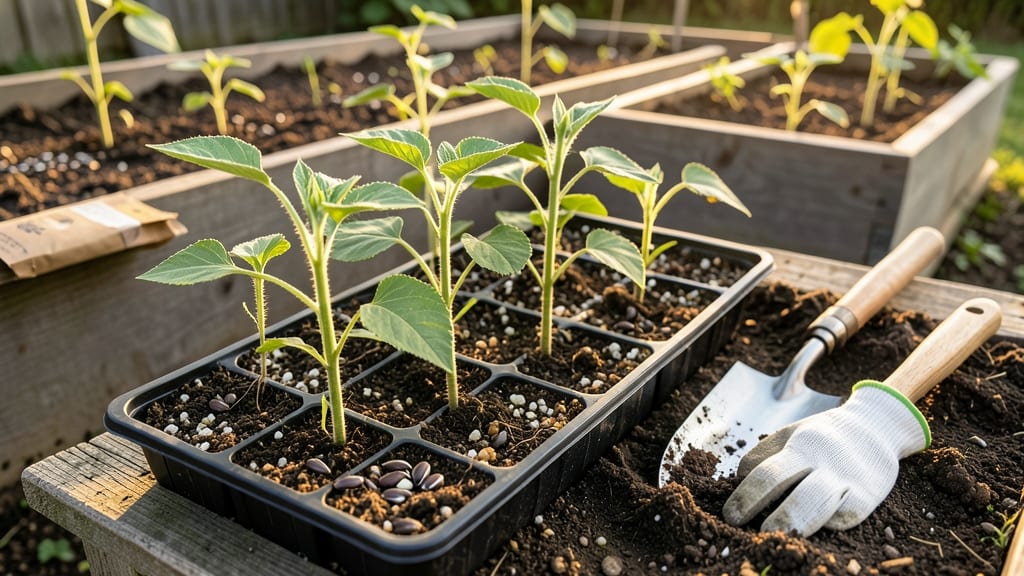
Planting sunflowers in Oklahoma isn’t just about grabbing seeds and sticking them in the dirt—it’s about timing them perfectly to beat unpredictable frost and scorching summers.
With USDA Zone 6b-7a temperatures swinging from icy mornings to triple-digit afternoons, getting those 🌻 seeds in the ground too early or late can mean the difference between towering blooms and wilted disappointment.
Most Oklahoma gardeners swear by late April to early June as the ideal window for direct sowing, when soil warms to at least 50°F and frost danger fades.
But here’s the catch: Northern Oklahoma’s cooler microclimates (like near Oklahoma City) may need a later start, while southern regions can push planting into early June without fear of frost.
What you’ll discover here is how to read Oklahoma’s frost-free signals, choose varieties that thrive in your specific corner of the state, and avoid the three biggest planting mistakes that sabotage sunflower success.
Whether you’re a first-time gardener or a seasoned pro, these insights will help you grow sunflowers that reach their full 10-foot potential—or taller.
Ready to turn your Oklahoma garden into a sunflower sanctuary? Let’s break down the exact steps to make this your most rewarding growing season yet.
Oklahoma sunflower planting calendar by last frost dates
Timing your sunflower planting in Oklahoma isn't just about avoiding frost—it's about matching your variety's maturity to your region's heat waves and shortened fall. Oklahoma City's last frost date averages March 15, but rural areas like Western Oklahoma can see frost as late as April 10.
This means your 60-day sunflowers need to hit the ground by early May in those areas, while 120-day varieties can wait until mid-April.
Sunflowers thrive on consistent warmth, so I always check my soil temperature—they won't germinate well below 50°F. In Tulsa's USDA Zone 7a, where last frosts average March 20, I plant my 'Mammoth Russian' variety on April 15 for a September harvest.
The key is balancing frost risk with heat tolerance—Oklahoma summers can push 100°F, and sunflowers need to establish roots before that hits.
Here's my regional planting breakdown based on last frost averages and sunflower maturity ranges (30-120 days):
| Region | Avg. Last Frost | Ideal Planting Window | 30-Day Varieties | 60-Day Varieties | 90-120-Day Varieties |
|---|---|---|---|---|---|
| Oklahoma City (Zone 7a) | March 15 | April 1 - May 1 | April 20-May 1 | April 1-15 | March 20-April 10 |
| Tulsa (Zone 7a) | March 20 | April 10 - May 10 | May 1-10 | April 10-25 | March 25-April 15 |
| Western OK (Zone 6b) | April 10 | May 1 - June 1 | May 20-June 1 | May 1-15 | April 1-April 20 |
| Southeastern OK (Zone 7b) | March 5 | March 20 - April 30 | April 15-May 1 | March 20-April 10 | February 28-March 15 |
For urban gardeners in Oklahoma City, I recommend planting short-season varieties like 'Teddy Bear' (56 days) in late April to avoid late summer heat stress. These dwarf sunflowers reach 3-4 feet and produce edible seeds by mid-July, giving you an early harvest before temperatures peak.
In rural southern Oklahoma, where first frosts often hit November 15, you can stretch your season by planting successive crops every 2-3 weeks from March through May.
One critical mistake I see is planting tall varieties too late—they won't mature before first frost. For example, 'Russian Giant' (120 days) planted after April 15 in Northern Oklahoma rarely produces viable seeds.
Instead, I plant heat-tolerant varieties like 'Autumn Booster' (90 days) in early April to ensure full maturity before fall frosts arrive.
Pro tip: Use black
How to adjust planting for Oklahoma microclimates and heat tolerance
Oklahoma’s diverse geography creates unique microclimates that demand tailored sunflower planting strategies. The urban heat islands of Oklahoma City can be 10°F hotter than rural areas, while the Ozark foothills experience cooler nights.
These variations directly impact sunflower germination and heat tolerance, making variety selection and timing critical for success.
For urban heat islands, start seeds indoors by mid-April to give them a head start against the intense summer heat. In contrast, High Plains regions like western Oklahoma can plant directly outdoors as early as late March, thanks to their cooler nights and faster soil warming.
The key is matching your local microclimate to the right heat-tolerant varieties.
🌻 Key Takeaway: Oklahoma Sunflower Planting Adjustments
Start indoors by mid-April; transplant after last frost (May 10).
Direct sow late April; cooler nights delay heat stress.
Plant directly March 20-April 1; drought-resistant varieties thrive.
'Autumn Booster' (90-day maturity) and 'Mammoth Russian' (120-day maturity) excel in Oklahoma’s summer heat.
Choose heat-tolerant sunflower varieties like 'Autumn Booster' for extended Oklahoma summers. This variety matures in 90 days, perfect for areas with early frost risks.
For longer growing seasons, 'Mammoth Russian' (120 days) thrives in cooler microclimates like the Ozarks but still handles 95°F+ days with proper watering.
Adjust your watering schedule based on microclimate. Urban areas may need daily watering during heatwaves, while High Plains regions can stretch watering to every 3-4 days once established. Always water deeply in the morning to prevent fungal diseases like powdery mildew, which thrives in Oklahoma’s humid afternoons.
Mulch heavily with straw or wood chips to retain soil moisture and regulate root zone temperatures. This is especially critical in urban heat islands, where pavement radiates heat and can raise soil temps by 15°F.
For Ozark foothills, focus on organic matter to improve drainage in rocky soils.
Monitor your sunflowers for heat stress signs like drooping leaves or yellowing petals. If you notice these, provide light afternoon shade with shade cloth until temps drop. In extreme heat (above 100°F), consider succession planting every 2-3 weeks to stagger harvests and avoid overwhelming heat exposure.