
Flowers
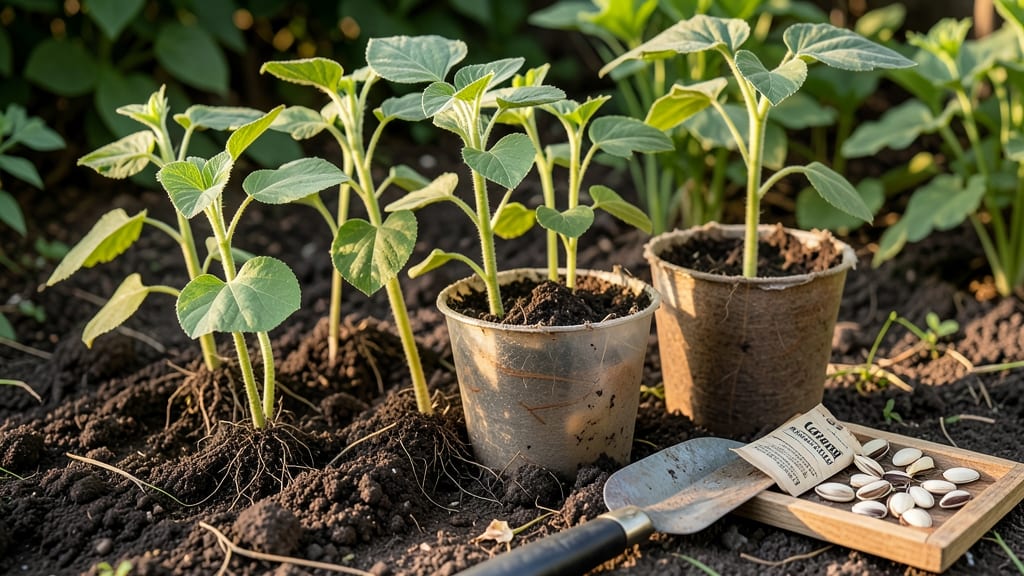
Planting sunflowers in Georgia’s Heat Zone 8A isn’t just about timing—it’s about unlocking their full potential. Miss the window, and you’ll end up with stunted stalks or flowers that wilt before they bloom.
The secret to towering 🌻 sunflowers lies in understanding when to sow seeds, whether you’re in Atlanta’s Piedmont or Savannah’s Coastal Plain.
Most gardeners in Georgia start sunflower seeds between mid-March and early July, but the best time depends on your microclimate. Too early, and frost can still threaten; too late, and summer’s heat might stress young plants before they take off.
I’ll break down the exact dates and what to watch for—so you can grow sunflowers that reach their maximum height and vibrancy.
You’ll also discover how to adjust for regional differences, like soil temperature and drought conditions, and when to transplant versus direct-sow for the best results.
Whether you’re aiming for giant varieties or compact blooms, these tips will help you avoid common mistakes and grow sunflowers that stand out in your garden.
Ready to transform your garden with sunflowers that thrive in Georgia’s climate? Let’s dive into the perfect planting schedule and ensure your sunflowers grow tall, strong, and full of color.
Best planting dates for sunflowers in Georgia’s heat Zone 8A
Georgia’s Heat Zone 8A offers perfect conditions for sunflowers to thrive—but only if you plant them at the right time. The last frost date around March 15 signals the start of your planting window, while summer’s intense heat means you’ll want to avoid late-season planting.
For giant varieties, timing is critical to ensure they reach their full 10-16 foot potential before fall’s cooler temperatures arrive.
Sunflowers are warm-season crops, meaning they need soil temperatures of at least 50°F to germinate. In Georgia, this typically aligns with mid-March to early July. However, dwarf varieties (2-4 feet tall) can handle slightly cooler soils, giving you a bit more flexibility.
The key is balancing frost risk with heat stress to maximize bloom cycles and seed production.
Direct sowing is the preferred method for sunflowers, as they hate transplanting. Start seeds 1 inch deep and 12-24 inches apart, depending on the variety. For giant sunflowers, space them 2-3 feet apart to prevent overcrowding. In Georgia’s heat, shallow planting (no deeper than 1.5 inches) can speed up germination, especially in sandy soils common in the Coastal Plain.
For early-season planting (mid-March to April 15), focus on giant varieties like ‘Mammoth’ or ‘Russian Giant’. These need longer growing seasons to reach maturity, so planting them too late risks stunted growth.
Use black plastic mulch to warm the soil faster and protect young seedlings from late frosts that can linger into early April in northern Georgia.
If you’re aiming for continuous blooms, consider a staggered planting approach. Sow a batch every 2-3 weeks from April through June.
This ensures flowers will bloom at different times, extending your harvest window from late summer into early fall. Dwarf varieties, like ‘Teddy Bear’ or ‘Sunspot’, are ideal for this strategy—they mature faster and handle heat stress better than their towering cousins.
Late-season planting (June 15 to July 15) works best for wild-type sunflowers or short-day varieties, which thrive in Georgia’s long, hot summers. These varieties often produce smaller but prolific blooms and are perfect for cut flowers or attracting pollinators.
Just be sure to water deeply during Georgia’s dog days of summer (July-August) to prevent bolting or flower drop.
One common mistake in Georgia is overestimating the heat tolerance of sunflowers. While they love the sun, prolonged temperatures above 95°F can stress plants, especially giant varieties.
To combat this, provide afternoon shade with temporary shade cloth or plant near tall perennials that offer natural relief. Mulching with straw or wood chips also helps retain moisture and regulate soil temperature.
For transplanting (if you start seeds indoors), wait until seedlings have 4-6 true leaves and harden them off for 3-5 days before moving them outdoors. Transplant in the early evening to reduce transplant shock from Georgia’s intense afternoon
How to adjust sunflower planting for Georgia’s microclimates
Georgia’s diverse climate means Atlanta’s Piedmont region and Savannah’s Coastal Plain have different planting windows for sunflowers. In urban Atlanta (Zone 7b-8a), cooler nights and faster soil warming favor early spring sowing, while Savannah’s humidity and heat demands later starts to avoid bolting.
Even within cities, elevated gardens (like rooftops) may need 2-3 weeks earlier planting than ground-level plots.
For Coastal Plain areas (Savannah, Brunswick), aim for mid-April to May planting to escape late frosts while avoiding 90°F+ summer heat that stresses seedlings.
In mountainous regions (Blue Ridge, Zone 6b), extend your window to late March—just watch for frost pockets that can linger into April. Container gardens in shady spots (like patios) should use dwarf varieties and plant 2 weeks later than ground plots.
Soil temperature varies 10-15°F between regions: Coastal Plain soils hit 60°F by early April, while Piedmont soils may need until mid-April. Use a soil thermometer to confirm 50°F+ before sowing. Amend heavy clay soils (common in Atlanta) with compost or sand to improve drainage—sunflowers hate soggy roots.
| Region | Best Planting Window | Soil Prep Tip | Watering Adjustment |
|---|---|---|---|
| Atlanta Piedmont | Mid-March to early May | Add compost to clay soil | Water deeply 2x/week |
| Savannah Coastal | Mid-April to June | Mulch to retain moisture | Morning watering only |
| Blue Ridge Mountains | Late March to early June | Test for frost pockets | Reduce watering in July |
| Urban Containers | May to early July | Use dwarf varieties | Daily watering in pots |
Shade is a bigger issue in urban gardens than rural plots. If your sunflowers get less than 6 hours of sun, choose ‘Teddy Bear’ or ‘Moulin Rouge’ dwarf varieties that tolerate partial shade.
For full-sun spots, stake tall varieties (like ‘Russian Giant’) to prevent wind damage—common in Coastal Plain areas during summer storms.
Adjust your fertilizer schedule by region: Coastal gardeners should fertilize every 3 weeks due to faster nutrient depletion in heat, while Piedmont gardeners can stretch to 4-6 weeks.
Avoid nitrogen-heavy fertilizers in late summer—they promote leafy growth over blooms. Instead, switch to phosphorus-rich feed (like bone meal) in July-August to boost flowering.
Pro tip: Plant a “test row” 2 weeks before your target date to gauge soil warmth. If seedlings emerge in 5-7 days, your main planting is safe. If not, wait another week—cold soil stunts roots, leading to top-heavy, floppy stems that snap in summer storms.
For heat-prone areas, try succession planting in July for fall blooms.