
Plants
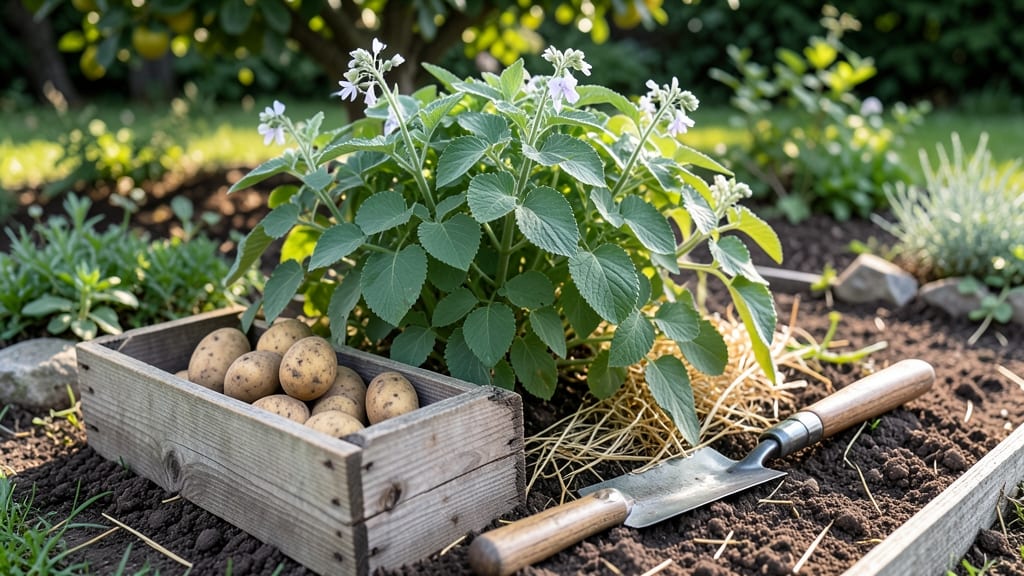
Planting potatoes in Oklahoma’s Zone 7b isn’t just about throwing seed potatoes into the dirt—it’s a precise timing game that separates a thriving harvest from a frustrating flop. Miss the window, and you risk frost-nipped sprouts or stunted tubers, while perfect timing means bigger, healthier potatoes by summer.
Most gardeners in Oklahoma’s 6b-7a zones swear by early spring planting (early March to mid-April), but late summer (August-September) is a hidden gem for fall crops. The key? Waiting until soil temperatures hit 45°F+—cold soil slows growth, and warm soil speeds it up.
I’ll break down the exact deadlines and how to adjust for Oklahoma’s unpredictable weather.
Whether you’re a first-time gardener or a veteran with a few failed attempts under your belt, these strategies will help you avoid common mistakes.
From pre-sprouting indoors to hilling techniques that boost yields, I’ve tested what works in Oklahoma’s climate—and what doesn’t. Let’s get your 🥔 off to the best possible start.
Ready to dig in? You’ll learn how to stretch your growing season, pick the right varieties for your microclimate, and even troubleshoot pests before they become a problem. By the end, you’ll know exactly when to plant for a harvest that’ll make your neighbors jealous.
Oklahoma heat Zone 7b planting deadlines: frost risk vs. soil temperature
In Oklahoma’s Heat Zone 7b, potatoes thrive when planted at the perfect intersection of soil warmth and frost-free windows. The average last frost date hovers around March 15, but soil temperatures must reach at least 45°F for successful germination.
Planting too early risks frost damage to tender sprouts, while waiting too long shortens the growing season, especially for late-season varieties needing 90–120 days to mature.
Microclimates in Oklahoma—like urban heat islands or sheltered valleys—can shift these deadlines by 1–2 weeks. For example, Tulsa’s last frost typically arrives 2–3 days earlier than rural areas, while western Oklahoma’s drier climate may warm soils faster.
Always monitor your local frost forecast and test soil temperatures with a soil thermometer before planting.
Key deadlines for Oklahoma Zone 7b potatoes:
For early-season planting (March), use row covers or black plastic mulch to warm soil and protect sprouts. Test soil temperature at 6 inches deep—the critical zone for root development. If temperatures dip below 40°F at night, delay planting or use cold frames to create a microclimate.
Mid-season planting (March 15–April 15) aligns with Oklahoma’s optimal frost-free window. Choose mid-to-late maturing varieties like Kennebec or Russet Burbank, which tolerate Oklahoma’s 90–110-day growing season.
Plant 4–6 weeks before last frost if pre-sprouting indoors, but avoid planting after April 30 unless using fast-maturing varieties (e.g., Red LaSoda, which matures in 70 days).
Soil temperature is more critical than air temperature for potatoes. Use a soil thermometer to confirm 45°F+ at planting depth.
In Oklahoma’s clay-heavy soils, add compost or sand to improve drainage and warmth retention. Raised beds also warm up faster, extending your planting window by 1–2 weeks compared to in-ground planting.
Adjust for microclimates: Urban areas like Oklahoma City may experience heat islands, allowing earlier planting, while rural northern Oklahoma (e.g., near Enid) faces later frosts. Monitor local Almanac frost dates and consider fall planting (late August) for a second harvest before first frost (typically November 15).
Late planting (after April 15) should focus on fast-maturing varieties (e.g., Yukon Gold, 70–90 days) to avoid blight risks from Oklahoma’s humid summers. If planting in May, prioritize container growing or shade cloth to prevent soil overheating.
Always hill soil around stems to protect tubers from sun exposure, which turns them green and toxic.
Pro tip: Plant seed potatoes (not grocery store potatoes) cut into 2-inch chunks with 2–3 eyes per piece. Let them sprout indoors for 4–6 weeks before planting to jumpstart growth. For fall planting, choose cold-hardy varieties like Red Norland and use straw mulch to insulate soil.
🌱
Step-by-step planting timeline for Oklahoma’s short growing season
Oklahoma’s short growing season means potatoes need precise timing to thrive. Start with seed potatoes indoors 4–6 weeks before last frost (typically mid-February for Zone 7b).
This head start ensures healthy sprouts ready for transplanting by early March. For in-ground planting, aim for soil temperatures above 45°F—critical for tuber development.
Raised beds warm faster than in-ground soil, giving you a 2-week advantage for early planting. Test your soil’s readiness by pressing your finger 4 inches deep—if dry, wait a few days. Cold soil slows germination, so don’t rush.
Adjust your schedule based on your microclimate (e.g., southern Oklahoma may plant 1–2 weeks earlier than northern regions).
- Late February–Early March: Pre-sprout seed potatoes indoors in bright, cool (60–65°F) light. Cut tubers into 2-inch chunks with 2–3 eyes each; let cuts heal for 24 hours.
- Mid-March: Harden off sprouted potatoes outdoors for 3–5 days. Plant in raised beds or in-ground when soil reaches 45°F+, 4 inches deep, 12 inches apart, rows 3 feet apart.
- Early April: Apply 1–2 inches of mulch (straw or grass clippings) to retain moisture. Hill soil around stems when plants reach 6 inches tall to encourage tuber formation.
- May–June: Water deeply 1–2 times weekly (1 inch total). Fertilize with 10-20-20 when flowers appear. Watch for blight—remove affected foliage immediately.
- July: Stop watering 2 weeks before harvest to toughen skins. New potatoes can be dug when plants flower; full-sized tubers mature in 90–120 days.
- August–September: Plant fall potatoes for late harvests (aim for 4–6 weeks before first frost). Use cold-hardy varieties like Yukon Gold or Red Pontiac.
For raised beds, plant potatoes 2 weeks earlier than in-ground—warmer soil speeds germination. In in-ground plots, add compost to improve drainage, as Oklahoma’s clay soil can compact. Container growing works too: use 5-gallon pots with well-draining mix and plant 1 tuber per container.
Monitor harvest readiness by checking foliage—yellowing leaves signal maturity. Dig a small test patch first; tubers should be 2–3 inches wide with rough, firm skin. Store harvested potatoes in a cool (50–55°F), dark, humid place (like a ventilated cardboard box) for 2–3 months.
Oklahoma’s humid summers demand vigilance against late blight. Space plants thinly for airflow and avoid overhead watering. For organic gardeners, use copper fungicide preventatively. With this timeline, you’ll harvest 60–120 days after planting—just in time for summer meals or fall storage!