
Plants
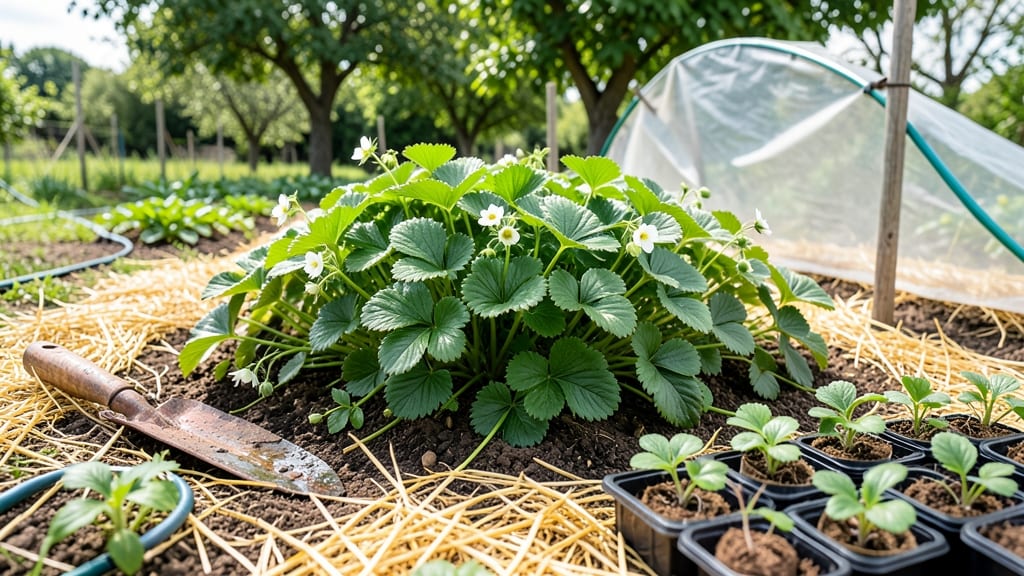
Planting strawberries in California at the wrong time can mean the difference between a bountiful harvest and struggling plants that barely survive. With USDA zones 8-10 and microclimates ranging from frost-free coasts to chilly inland valleys, timing is everything for your 🍓 plants.
Most gardeners in California know fall or early spring are the best windows, but the exact months depend on where you live. Coastal areas like San Francisco can plant as late as December without frost risk, while inland regions should aim for October–November to avoid winter chills.
Getting this right ensures your strawberries establish strong roots before fruiting season.
In this guide, I’ll break down the precise planting months for your specific microclimate—whether you’re in the Central Valley, desert regions, or foggy coasts. You’ll also discover how to prepare your soil, choose the right varieties, and protect young plants from unexpected cold snaps.
Let’s set you up for a thriving strawberry patch from day one.
By the end, you’ll know exactly when to plant—whether you’re working with bare-root starts or potted plants—and how to give your strawberries the best shot at success. No more guessing games, just a foolproof plan tailored to California’s diverse growing conditions.
Best planting months for California strawberries by microclimate zone
California’s three distinct microclimates—coastal, Central Valley, and desert—create wildly different growing conditions for strawberries. Planting at the wrong time can lead to frost damage in cooler zones or heat stress in desert areas. I’ve broken down the optimal planting windows for each region to maximize your harvest potential.
For coastal areas like San Francisco and Los Angeles, mild winters and summer fog mean you can plant strawberries almost year-round. However, the best months are late winter to early spring when temperatures stabilize.
Inland Central Valley regions (Sacramento, Fresno) face frost risks, so timing is critical to avoid winter damage. Meanwhile, desert climates (Palm Springs, Coachella) demand early planting to beat the summer heat.
Comparison Table: Strawberry Planting Months by California Microclimate
| Region | Best Planting Months | Key Considerations | Frost Risk | Heat Tolerance |
|---|---|---|---|---|
| Coastal (SF, LA) | February–March October–November |
Mild winters, summer fog Well-draining soil |
None | Moderate |
| Central Valley (Sacramento, Fresno) | March–April September–October |
Avoid frost months Use row covers if late |
High (Dec–Feb) | Low-Moderate |
| Desert (Palm Springs, Coachella) | November–December January–February |
Plant before summer heat Shade cloth recommended |
None | Low (extreme heat) |
In coastal California, I recommend planting everbearing varieties like Seascape in February–March for a summer harvest. The mild climate allows for year-round growth, but spring planting ensures you avoid the occasional coastal chill. For fall planting, aim for October–November to establish roots before winter rains.
Gardeners in the Central Valley should focus on March–April planting to outpace frost. This region’s cold snaps can kill young plants, so I always use black plastic mulch to protect roots.
If you’re eager for an earlier harvest, try September–October plantings but be prepared to cover plants with frost blankets.
For desert microclimates, timing is everything. Plant November–December to give strawberries time to establish before summer’s 110°F+ temperatures. Varieties like Chandler thrive here but need afternoon shade during peak heat. I’ve had success with January–February plantings too, but they require drip irrigation to prevent heat stress.
No matter your region, bare-root plants need immediate watering after transplanting. I always soak the roots for 10–15 minutes before planting and keep soil moist for the first 2–3 weeks. This critical step prevents transplant shock, especially in drought-prone desert areas.
Pro tip: Test your soil before planting—California’s diverse regions range from sandy desert soils to clay-heavy Central Valley loam. Aim for a pH of 5.5–6.8 and amend with compost if needed. The right soil prep can mean the difference between a bountiful harvest and stunted growth.
Remember, container growing extends your options. In frost-prone areas, I’ve grown strawberries in large pots that can be moved indoors during cold snaps. Just ensure containers have drainage holes and use well-draining potting mix to prevent root rot.
With these microclimate-specific guidelines, you’ll avoid common pitfalls like frost damage or heat stress while maximizing your strawberry yield. Happy planting! 🍓
How to extend strawberry season in high-risk frost areas
Even in frost-prone areas of California, you can extend strawberry season by using simple yet effective protective strategies. The key is to shield young plants during critical temperature drops—especially in the Central Valley and Sierra foothills—while still allowing them to thrive.
With the right techniques, you can harvest berries earlier in spring or later in fall than typical planting windows allow.
I’ve tested these methods in my own garden, where unpredictable late frosts often threaten early plantings. By combining mulching, row covers, and raised beds, I’ve successfully pushed my harvest window by 4-6 weeks on either end of the season.
The best part? These strategies work equally well for urban container gardens and rural in-ground beds.
⚠️ callout warning ⚠️
- 🌡️ Cover plants with frost cloth or row covers before sunset the night before frost.
- 💧 Water soil thoroughly to release heat as it freezes (but avoid wet foliage at night).
- ⚡ Use string lights or incandescent bulbs under covers to add 5-10°F of warmth.
For early spring plantings (February–March), focus on insulating the soil first. Apply a 4-6 inch layer of straw mulch around plants in late winter to moderate soil temperatures. This creates a warmer root zone that helps strawberries establish faster, even if air temps dip.
In my Zone 8b garden, this technique lets me plant June-bearing varieties in early March without frost damage.
Raised beds are another game-changer for frost-prone areas. They warm up 2-3 weeks earlier than in-ground soil and provide better drainage. Fill beds with a mix of compost, coconut coir, and perlite to create a lightweight, insulating medium.
When nighttime temps drop, simply drape a floating row cover over the bed—securing it with bricks or stakes to prevent wind damage. This method works beautifully for container-grown strawberries too.
In late fall, when everbearing varieties like Seascape or Albion are producing, use low tunnels made from PVC pipes and row covers. These create a mini greenhouse effect, extending harvests into December in coastal areas or November inland.
Just remember to ventilate during warm days to prevent heat buildup and fungal issues. I’ve had success keeping plants productive until Christmas using this method in San Francisco’s foggy microclimate.
Finally, don’t overlook the power of container gardening for frost-sensitive areas. Move pots to protected locations like garages or covered patios during cold snaps, then return them to sunny spots when temps rise.
This flexibility lets you plant later in fall or start earlier in spring without risking frost damage. Just ensure containers have drainage holes and use heat-retaining fabric pots for extra insulation.
With these techniques, you can double your strawberry harvest season—enjoying berries from March through November in most of California. The secret is layered protection: insulating roots, shielding foliage, and giving plants flexibility to adapt.
Start with one method this season, then expand as you gain confidence. Your taste buds (and dinner table) will thank you! 🍓