
Plants
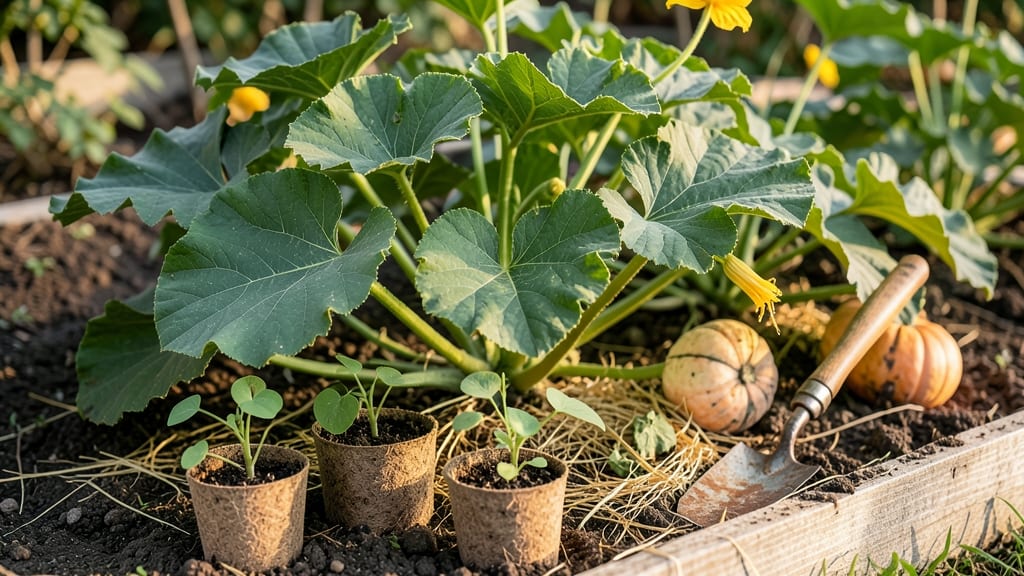
Planting pumpkins in Illinois at the wrong time could mean watching your hard work vanish overnight when frost hits—so getting the timing right is your first (and most important) step to a thriving 🎃 harvest.
With Illinois' USDA zones 5-6 and unpredictable spring weather, knowing exactly when to plant makes all the difference. Whether you're starting seeds indoors or sowing directly into the garden, the 2-3 week window after your last frost date is critical for success.
I'll break down the exact months to plant pumpkins in Illinois, including soil temperature tips and how to adjust for late frosts. You'll also discover which varieties thrive best in your climate and how to maximize your growing season.
Let's dive into the perfect planting schedule so you can enjoy a bountiful harvest from late September through October—without the risk of frost damage.
Illinois pumpkin planting calendar: exact months by frost Zone
Pumpkins thrive in Illinois' warm summers, but getting them in the ground at the right time is everything. Since the state spans USDA Zones 5-7, your planting window shifts slightly depending on where you live.
In northern Illinois (Zone 5), you'll plant later than in southern Illinois (Zone 7), but both regions share the same core principle: wait until soil warms to 60°F (15°C) and the last frost has passed.
For most Illinois gardeners, this means planting between mid-April and mid-June, with May being the sweet spot. However, if you're growing longer-season varieties like 'Howden' (110 days to maturity), you might need to start seeds indoors in late March for an early transplant.
Shorter-season varieties like 'Jack Be Little' (85 days) can be direct-sown as late as early June in Zone 7.
Here's the breakdown by zone—use this as your pumpkin planting cheat sheet for Illinois:
| USDA Zone | Last Frost Date | Soil Temp Requirement | Direct Sow Window | Transplant Window (Indoor Start) | Best Varieties |
|---|---|---|---|---|---|
| Zone 5 (Northern IL) | Mid-April | 60°F+ (15°C+) | Late May - Early June | Mid-March (indoors) → Late May (outdoors) | 'Cinderella,' 'Small Sugar' |
| Zone 6 (Central IL) | Early April | 60°F+ (15°C+) | Early May - Mid-June | Late March (indoors) → Early May (outdoors) | 'Jack Be Little,' 'Autumn Gold' |
| Zone 7 (Southern IL) | Late March | 60°F+ (15°C+) | Mid-April - Late May | Early March (indoors) → Late April (outdoors) | 'Howden,' 'Giant Dill' |
If you're transplanting seedlings, start them indoors 4-6 weeks before your target outdoor date. Use biodegradable pots to avoid root disturbance when moving them outside. For direct sowing, plant seeds 1 inch deep and 2-3 feet apart—pumpkins need space to sprawl!
In Zone 5, aim for early May plantings to ensure vines mature before the first frost in mid-October.
Pro tip: Use a soil thermometer to confirm your soil is ready. Cold soil delays germination, and pumpkin seeds won't sprout below 50°F (10°C). If your soil is still chilly in May, consider black plastic mulch to warm it faster.
This trick can shave off 1-2 weeks of waiting time, giving your pumpkins a head start.
For gardeners in Zone 7, you have more flexibility—you can even squeeze in a second planting in early June for smaller varieties like 'Baby Boo' (75 days to maturity). Just be prepared to harvest before the first hard frost, which typically hits by October 15.
If you're unsure about your exact frost dates, check the National Weather Service or local Cooperative Extension Service for your county's averages.
One common mistake is planting too early. Pumpkin seeds won't germinate in cold soil, and young seedlings are highly susceptible to frost damage. If you plant in April and temperatures dip below 50°F (10°C), your seeds may rot in the ground.
Always wait for consistent daytime highs above 65°F (18°C) before planting.
Remember, pumpkins are warm-season crops that need 90-120 frost-free days to mature. Illinois generally provides this, but early spring frosts can still catch you off guard. If you're in Zone 5 and planting late, opt for shorter-season varieties like 'Autumn Gold' (80 days) to minimize risk.
In Zone 7, you can afford to grow larger varieties like 'Giant Dill' (100+ days) with confidence.
Finally, mark your calendar for late September to early October—this is when most Illinois pumpkins will be ready to harvest. Look for hard rinds and deep color as your cues.
If frost threatens before your pumpkins are ready, you can harvest them early (when they're still slightly soft) and cure them indoors to improve shelf life.
With these exact planting windows tailored to Illinois' climate, you'll be well on your way to growing show-stopping pumpkins—whether you're carving them for Halloween or using them in seasonal recipes. Happy planting! 🎃
How to adjust pumpkin planting for Illinois' unpredictable spring weather
Illinois' spring weather can be as unpredictable as a chameleon's mood, with late frosts, sudden heatwaves, and soil that swings between soggy and bone-dry. These fluctuations can turn your pumpkin dreams into frost-killed nightmares if you're not prepared.
The key to success lies in flexibility—adjusting your planting strategy to match Mother Nature's whims.
For most of Illinois, the ideal planting window is between mid-April and mid-May, but this can shift dramatically depending on your specific location and microclimate. Southern Illinois might see warmer soil earlier, while northern areas could still be battling frost in early June.
The secret weapon? Soil temperature—pumpkin seeds need soil that's at least 60°F (15°C) to germinate properly.
If your soil is still chilly, don't panic—there are ways to trick Mother Nature into cooperating. Black plastic mulch, for example, can warm the soil by 5-10°F in just a few days.
Another trick is using row covers or even old blankets to protect tender seedlings from unexpected late spring frosts. These simple adjustments can buy you that crucial 2-3 week buffer you need to get your pumpkins off to a strong start.
⚠️ WARNING: Late Frosts & Heatwaves Can Wipe Out Your Pumpkin Patch ⚠️
- Late frosts after your "official" last frost date (happens 30% of years in northern IL)
- Soil that stays too cold even when air temps are warm (common in clay-heavy soils)
- Sudden heatwaves that dry out seedlings before they establish roots
When it comes to water management, Illinois gardeners face another challenge: inconsistent rainfall. Pumpkins need 1-2 inches of water weekly, but our spring showers can be hit-or-miss. I recommend installing a drip irrigation system or soaker hoses to deliver water directly to the roots.
This method also helps prevent powdery mildew, which thrives in damp foliage—another common issue in our humid summers.
For gardeners in USDA Zone 5 (northern Illinois), consider starting seeds indoors 2-3 weeks before your last frost date and transplanting after the soil warms. This gives you a head start on the growing season.
In Zone 6 (central/southern IL), you can often get away with direct sowing as soon as the soil reaches 60°F, but always be ready to cover young plants if a frost warning appears.
Don't forget about heatwave preparedness—Illinois summers can bring 90°F+ temperatures that stress pumpkin plants. Provide shade cloth (30-50%) during the hottest afternoons, especially for young seedlings and flowering plants.
Mulching with straw or grass clippings helps retain moisture and keeps roots cool. With these adjustments, you'll give your pumpkins the best chance to thrive despite Illinois' mood swings.
By combining soil warming techniques, protective covers, and flexible planting dates, you'll turn Illinois' unpredictable spring into an advantage rather than a obstacle. The result? A bountiful harvest of pumpkins ready for carving, baking, or sharing with neighbors—all without the heartbreak of frost damage. 🎃