
Plants
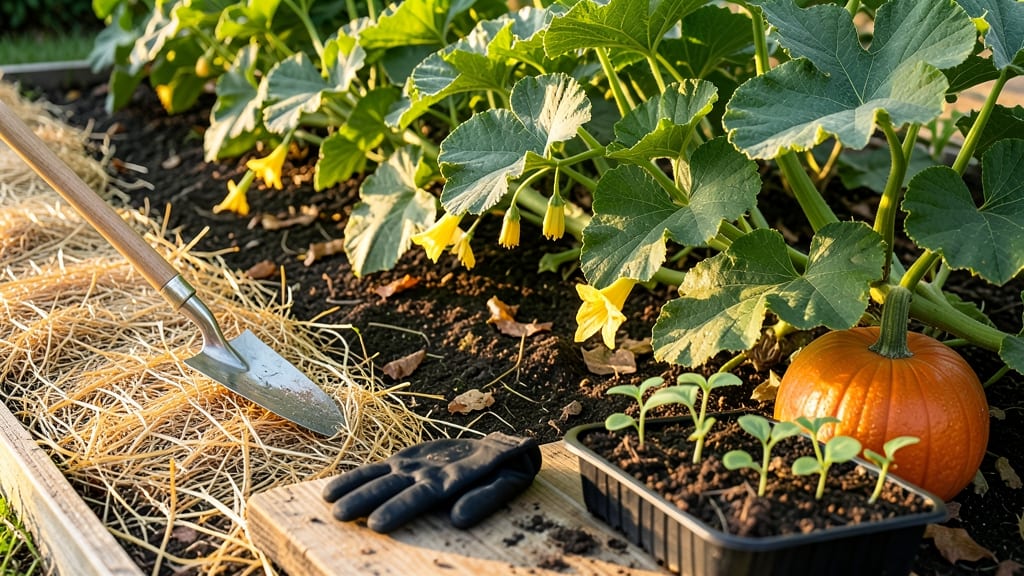
Planting pumpkins in California isn’t just about grabbing seeds and sticking them in the dirt—it’s about mastering the microclimates that can make or break your harvest. From the foggy coasts of San Francisco to the scorching Central Valley, timing matters more than you’d think.
Get it wrong, and you’ll end up with bitter disappointment instead of that perfect 🎃 for carving or roasting.
Here’s the secret: coastal areas like San Francisco (Zone 10) can plant as early as March, while inland zones like Sacramento (Zone 9) often wait until April or May to avoid bolting—the dreaded early flowering that skips the fruit.
But even these general rules shift based on soil temperature, not just the calendar. I’ll break down exactly when to plant for your specific corner of the state, so you can grow pumpkins that thrive, not just survive.
Whether you’re a first-time gardener or a seasoned grower, knowing the right window can mean the difference between a bountiful harvest and a patch of vines that peter out.
We’ll also cover how to adjust for late starts, pick the best varieties for your zone, and avoid the common mistakes that turn hopeful seedlings into sad, fruitless vines. Let’s get those pumpkins growing like pros!
Ready to dive in? By the end, you’ll know not just when to plant, but how to set your pumpkins up for success—no matter where you are in California. The key is in the details, and I’ve got them covered.
California pumpkin planting dates by microclimate: coastal vs. desert vs. valley
California’s diverse microclimates mean your pumpkin planting dates should vary dramatically between regions. Coastal areas like San Francisco and Santa Barbara have cooler, foggy summers, while the Central Valley and desert regions like the Coachella Valley can hit 110°F+ by June.
Even high-altitude areas like the Sierra foothills (USDA Zone 7) need adjustments. Let’s break down the optimal planting windows for each zone to avoid bolting and maximize yields.
For coastal California (Zones 9-10), where summers are mild, aim to plant pumpkin seeds between late March and early May. The last frost dates are rarely a concern here, but soil temperatures below 60°F (15°C) will stall germination.
Use black plastic mulch to warm the soil faster if planting early. Inland valleys like the San Joaquin Valley can start slightly earlier—mid-February to early April—thanks to warmer soils and longer growing seasons.
Desert regions (e.g., Palm Springs, Joshua Tree) have a different challenge: intense summer heat. Here, plant seeds in late summer (August–September) for a fall harvest before temperatures soar. Varieties like 'Jackpot' or 'Small Sugar' tolerate heat better than traditional giants. Avoid spring planting in deserts—your pumpkins will bolt before fruiting due to the relentless sun.
🌱
If you’re in Southern California but unsure whether you’re coastal or inland, check your last frost date (use the USDA Plant Hardiness Zone Map) and adjust accordingly.
For example, Los Angeles (Zone 10) can plant as early as February, but coastal areas like Malibu may need to wait until March due to lingering marine layer fog. Always verify soil temperatures with a soil thermometer—pumpkin seeds won’t germinate below 60°F (15°C), even in warm climates.
For high-altitude gardens (e.g., Mammoth Lakes or Truckee), plant 4–6 weeks later than valley dates to avoid late spring frosts. Use row covers or cold frames to extend your season if needed.
Dwarf varieties like 'Jack Be Little' are ideal here—they mature faster and handle cooler soils better than giant pumpkins.
Pro tip: In desert regions, avoid planting in June or July—the extreme heat will cause pumpkins to
How to adjust pumpkin planting dates for zero-bolt success: soil temps, varieties, and transplant tricks
California's diverse microclimates mean your pumpkin planting strategy must adapt to soil temperatures and heat tolerance. Coastal areas like San Francisco (Zone 10) can plant 2-3 weeks later than the Central Valley (Zone 9), where summer heat arrives earlier.
The key? Soil thermometers—pumpkin seeds need soil at 60°F (15°C) to germinate consistently.
For coastal fog belts, use black plastic mulch or cold frames to warm soil faster. In desert regions, opt for heat-tolerant varieties like 'Jackpot' or 'Small Sugar', which thrive in 90°F+ temperatures. These varieties resist bolting (premature flowering) even when days get long.
🌱
If you’re in a transition zone (like Santa Barbara or Sacramento), split your planting: 40% in March and 60% in April to stagger harvests. This spreads out risk if early plantings bolt due to heat stress or late plantings fail from cool snaps.
Pro tip: Mulch heavily with straw or grass clippings to retain moisture and moderate soil temps. In desert areas, add 2-3 inches of mulch to prevent soil from overheating, which can trigger bolting.
Water deeply 2-3 times per week during fruit development—drought stress is a top cause of bitter, undersized pumpkins.
For container growing, choose dwarf varieties and use 5-gallon pots with well-draining mix. Place containers in full sun and water daily—potted pumpkins dry out 3x faster than in-ground plants. 🎃