
Plants
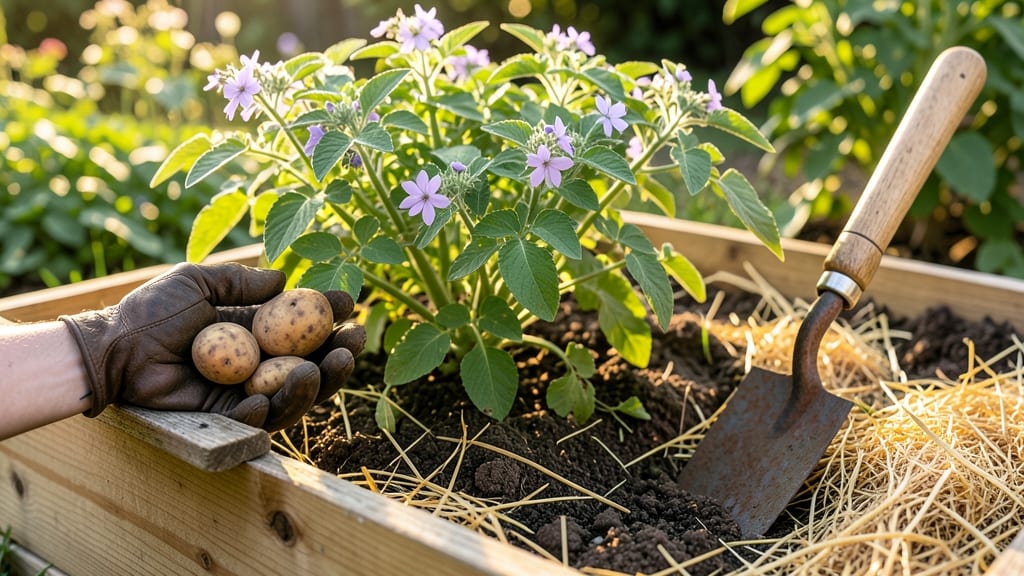
Planting potatoes in Missouri isn't just about throwing them in the ground—it's about timing those 🥔 spuds perfectly to avoid frost while maximizing your harvest. The wrong window means wasted effort, but with Missouri's varied climate zones, getting it right can mean the difference between a bountiful crop and disappointment.
Most gardeners in Missouri's USDA zones 5-7 should start potatoes as soon as the soil warms to 45°F, typically between late March and early April. But here's the catch: early varieties need cooler soil, while late-season potatoes thrive when the ground is warmer.
I'll break down the exact dates by zone so you never miss the sweet spot.
You might think all potatoes are created equal, but Missouri's climate favors certain varieties over others. Whether you're growing Yukon Golds for their buttery texture or Red Pontiacs for their storage life, the right variety planted at the right time ensures you get the most out of your garden.
Let's dive into the details that make all the difference.
From adjusting for unpredictable weather to choosing the best seed potatoes, I've got the insider tips that will help you grow a thriving potato patch. Ready to turn your Missouri garden into a potato powerhouse? Let's get started.
Missouri potato planting calendar by hardiness Zone (exact dates for success)
Missouri’s five distinct hardiness zones (5a through 7a) create unique planting challenges for potatoes. In Zone 5a (northern Missouri), gardeners face earlier frosts and cooler soils, while Zone 7a (southern Missouri) allows for longer growing seasons.
The key to success? Planting when soil temperatures hit 45°F (7°C) and frost risk has passed—but not too late to avoid summer heat stress.
Most Missouri gardeners can plant two crops per year: an early spring planting for harvest in late summer and a late summer planting for a fall harvest. However, your exact timing depends on your zone, with Zone 5a needing earlier starts and Zone 7a having more flexibility.
Let’s break down the optimal planting windows for each zone, including soil temperature and frost-free date considerations.
⚠️ CRITICAL NOTE: Potatoes cannot tolerate frost, so always wait until after your average last frost date (typically April 15–May 15 in Missouri). Use a soil thermometer to confirm temperatures—potatoes thrive when soil is 50–60°F (10–15°C).
| Zone | First Planting Window | Second Planting Window | Soil Temp Requirement | Harvest Window |
|---|---|---|---|---|
| 5a (North) | April 15–May 1 | June 15–July 1 | 45–50°F (7–10°C) | July 15–August 30 |
| 5b (North-Central) | April 1–April 15 | June 1–June 15 | 45–50°F (7–10°C) | July 1–September 1 |
| 6a (Central) | March 20–April 10 | May 15–June 1 | 48–52°F (9–11°C) | June 15–September 15 |
| 6b (South-Central) | March 1–March 20 | April 15–May 1 | 48–52°F (9–11°C) | May 15–October 1 |
| 7a (South) | February 15–March 10 | March 15–April 1 | 50–55°F (10–13°C) | April 15–October 31 |
*Dates are approximate—always confirm with your local frost-free date and soil temperature.
For Zone 5a gardeners, the earliest planting window (April 15–May 1) is critical to avoid late spring frosts. If you plant too early, use frost cloth to protect young sprouts.
Meanwhile, Zone 7a gardeners can start as early as mid-February, giving them a longer growing season for both early and late varieties.
Pro tip: Early varieties (like Yukon Gold) mature in 60–75 days, while late varieties (like Russet) take 90–110 days. In Zone 5a, focus on early varieties for your first planting, then switch to late varieties for your second crop.
In Zone 7a, you can grow both simultaneously with staggered plantings.
Don’t forget to test your soil before planting—potatoes prefer pH 5.0–6.5 and well-draining soil. Amend heavy clay soil with compost or sand to improve drainage. If your soil is still cold in early spring, consider using black plastic mulch to warm it faster and extend your planting window.
In northern Missouri (Zones 5a/5b), aim for a first harvest by late July to avoid potato scab (a fungal disease worsened by hot, dry conditions). For
How to Adjust planting dates for Missouri’s unpredictable weather (pro tips)
Missouri’s weather can throw curveballs—one week you’re shivering through frost, and the next, it’s scorching hot. For potatoes, this unpredictability means your planting dates might need last-minute adjustments. The key is flexibility: knowing how to adapt without sacrificing your harvest yield.
Start by monitoring your local frost dates. While the average last frost in Missouri falls between March 15 (Zone 5a) and April 15 (Zone 7a), late frosts can linger into May.
If frost threatens after planting, cover seedlings with lightweight frost cloth or straw mulch to protect tender sprouts.
For early varieties like Yukon Gold, delay planting by 1-2 weeks if soil temperatures stay below 45°F (7°C). Cold soil slows germination, leading to uneven sprouting. Use a soil thermometer to check—potatoes need consistent warmth to thrive.
If an unexpected heatwave hits before your ideal planting window, opt for shade cloth over young plants to prevent wilting. Alternatively, plant late-season varieties like Kennebec in late May or early June—they tolerate heat better and still produce a solid harvest by fall.
Wet springs? Drainage becomes critical. Amend heavy clay soil with compost or sand to prevent waterlogged tubers. If rain delays planting, prioritize disease-resistant varieties like Red LaSoda, which handle moisture better than standard types.
Here’s a quick checklist for adjusting your timeline: ☑️ Frost risk? Extend planting by 2 weeks or use frost protection. ☑️ Soil too cold? Wait for 45°F+ or use black plastic mulch to warm it faster. ☑️ Heatwave? Choose heat-tolerant varieties or provide afternoon shade. ☑️ Wet soil? Improve drainage or switch to raised beds.
Remember: Missouri’s climate rewards adaptive gardeners. By staying ahead of weather trends and choosing the right varieties, you’ll turn unpredictability into a potato-growing advantage.
- 📅 Track frost dates via local weather stations or the Missouri State Climate Office.
- 🌡️ Warm soil faster with black plastic mulch or straw bales—adds 5-10°F to soil temp.
- 🌿 Use row covers for early planting to shield from late frosts without overheating plants.
- ☀️ Plant in trenches during heatwaves—keeps tubers cooler and reduces stress.
- 💧 Adjust watering—drought stress slows growth; aim for 1-2 inches of water weekly.