
Plants
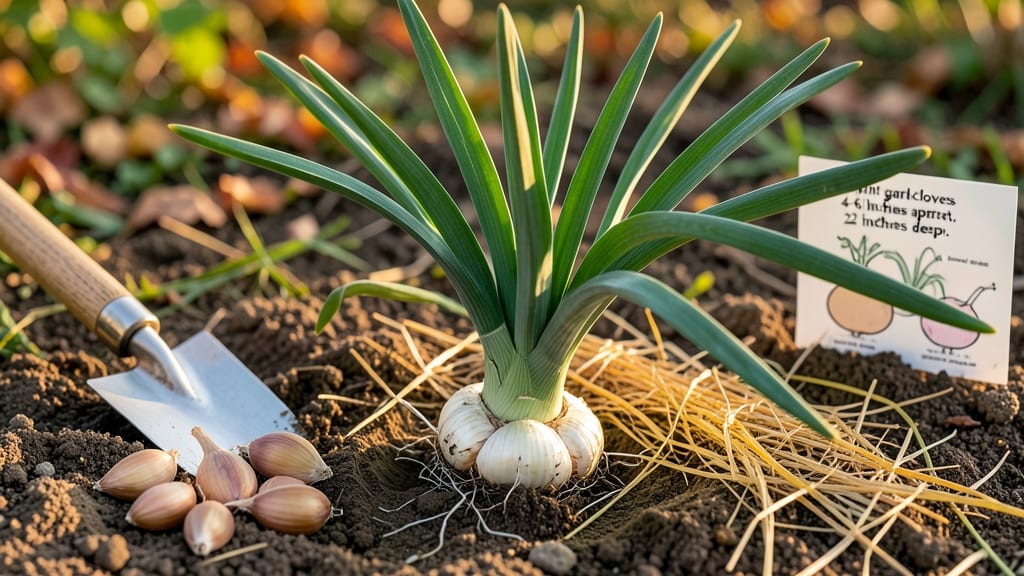
Planting garlic in Missouri at the wrong time can turn your 🧄 dreams into a soggy mess—because this finicky crop needs precise timing to thrive in our unpredictable climate.
Unlike spring-planted veggies, garlic demands a fall window that balances soil cooling with frost protection, and getting it wrong means wasted seeds or moldy bulbs.
Here’s the deal: Missouri’s USDA zones 5b-6b give you just a 6-week window before the ground freezes solid, and missing it means your garlic either rots in damp soil or sprouts too early to survive winter.
Whether you’re in St. Louis, Kansas City, or Springfield, the key is planting between mid-October and November 1st, when soil temps hit 40–50°F—not a moment sooner or later.
Why does this matter? Because garlic grows best when it experiences cold dormancy, and Missouri’s false springs or early frosts can throw off even the most careful gardener.
I’ll show you exactly how to adjust for your specific zone, from soil prep tricks to mulching hacks that keep your cloves happy through winter—so you’re harvesting plump bulbs next July or August, not scraps.
Ready to stop guessing and start growing? Let’s break down the exact steps to plant garlic in Missouri like a pro—no more second-guessing, just zero-frost success.
Best planting months for garlic in Missouri by climate zone
Missouri’s diverse climate zones mean your garlic planting window can shift by weeks depending on whether you’re in St. Louis or Southeast Missouri. The golden rule? Plant 4–6 weeks before the first hard frost—this ensures bulbs establish roots before winter dormancy.
For most of Missouri, that window falls between mid-October and mid-November, but let’s break it down by zone to avoid common mistakes.
Northern Missouri (USDA zones 5a–6a, like Kansas City and Columbia) has the earliest frost dates, so you’ll want to plant garlic cloves by November 1st at the latest.
In contrast, Southeast Missouri (zones 7b–8a), where winters are milder, gives you until mid-November—but don’t wait too long, or your bulbs won’t mature fully before summer heat arrives. The key is aligning your planting with soil temperatures dropping to 40–60°F.
Missouri’s '6-week rule' simplifies timing: Count back 6 weeks from your average first frost date (check your local Cooperative Extension Service for exact dates). For example, if your frost hits December 15th, aim to plant by October 25th. This rule accounts for garlic’s slow root development in cool soil—rushing it leads to weak plants prone to rot.
Soil temperature is more critical than air temperature. Use a soil thermometer to confirm nights are consistently 40–50°F before planting. In northern Missouri, this often means waiting until late October, while southern regions can start earlier. Pro tip: If your soil is too warm (>60°F), garlic cloves may sprout prematurely and suffer in early frosts.
Here’s how Missouri’s three main climate zones translate to planting windows, frost targets, and soil temps:
Missouri’s microclimates can throw off these averages. For example, urban areas like St. Louis often experience urban heat islands, delaying frost by 1–2 weeks compared to rural zones.
If you’re unsure, plant a test row 2 weeks earlier than recommended—you can always mulch heavily to protect it if frost arrives sooner than expected.
One common mistake is assuming "fall planting" means you can wait until October 1st regardless of location. In northern Missouri, this is too late—your garlic won’t have enough time to establish roots before the ground freezes.
Conversely, southern Missouri gardeners who plant before November 1st risk garlic sprouting too early, only to be killed by a January freeze. The table above gives you a zone-specific roadmap, but always double-check with your local frost date data.
For maximum bulb size, aim to plant when daytime temps are 70–80°F but nights are cooling toward 50°F. This sweet spot—typically late October in most of Missouri—lets garlic sprout slowly without rushing into winter dormancy.
Miss this window, and you’ll either have small, weak bulbs or rotten cloves from overwatering in warm soil.
🌱
How to adjust garlic planting for Missouri’s unpredictable weather
Missouri’s weather can throw curveballs—one week of unseasonable warmth followed by a sudden hard frost can derail even the most careful gardener. Garlic thrives in cold, but only if planted at the right time and protected from extremes.
The key is leveraging its cold-hardiness while shielding it from soil temperature swings and excessive moisture.
Unlike many crops, garlic needs cold exposure to form bulbs, but it also hates soggy soil and premature sprouting from false springs. Missouri’s microclimates—from the cool valleys of the Ozarks to the warmer river bottoms—mean your neighbors might harvest while you’re still deciding when to plant.
Let’s fix that with practical adjustments tailored to your specific zone.
⚠️ Critical Timing Pitfalls in Missouri
Risk: Planting too early (before soil cools to 40°F)
Impact: Seeds rot in damp soil; invites fungal diseases like white rot.
Solution: Use a soil thermometer and wait for consistent 40°F nights (typically late October).
Risk: Ignoring Missouri’s false springs (warm spells in winter)
Impact: Garlic sprouts prematurely, then dies in refreeze—wasting your crop.
Solution: Plant cloves with the pointed end up, 2 inches deep, to delay sprouting until stable cold sets in.
Risk: Skipping mulch in wet winters
Impact: Waterlogged soil leads to moldy bulbs or split cloves.
Solution: Apply 4–6 inches of straw mulch after planting to insulate roots.
Start with well-draining soil—garlic hates sitting in cold, wet conditions. Amend your beds with composted manure (ratio: 1 part compost to 3 parts soil) and a handful of garden lime to raise pH to 6.0–7.0.
If your soil drains poorly, consider raised beds or mounding soil to create a dry microclimate for roots. Test drainage by digging a 6-inch hole, filling it with water, and timing how long it takes to drain; garlic needs this to happen in under 2 hours.
Missouri’s microclimates mean your backyard might be 5°F warmer than your neighbor’s. Use this to your advantage: plant hardneck varieties (like German White) in cooler pockets and softneck (like Silverskin) in sheltered, warmer spots.
If you’re in USDA Zone 5a, aim for mid-October planting; if you’re in Zone 7a, wait until early November. The rule of thumb? Plant 6 weeks before your first hard frost—check your local Cooperative Extension Service for precise dates.
Mulching is non-negotiable in Missouri. Straw is your best bet—it insulates roots while allowing moisture to penetrate. Avoid leaves (they compact and trap moisture) or grass clippings (they mat down). After planting, spread 4–6 inches of straw and top it off in December if we get an unusually warm spell.
This creates a stable temperature zone around bulbs, protecting them from freeze-thaw cycles that can crack cloves.
Finally, embrace garlic’s cold-hardiness. Unlike spring-planted crops, garlic needs winter chill to form bulbs. Use this to your advantage: if you miss the fall window, you can plant in early spring (March), but expect smaller bulbs and no scapes.
For best results, stick to fall and let Missouri’s winters do the work for you—just protect it from the extremes.