
Plants
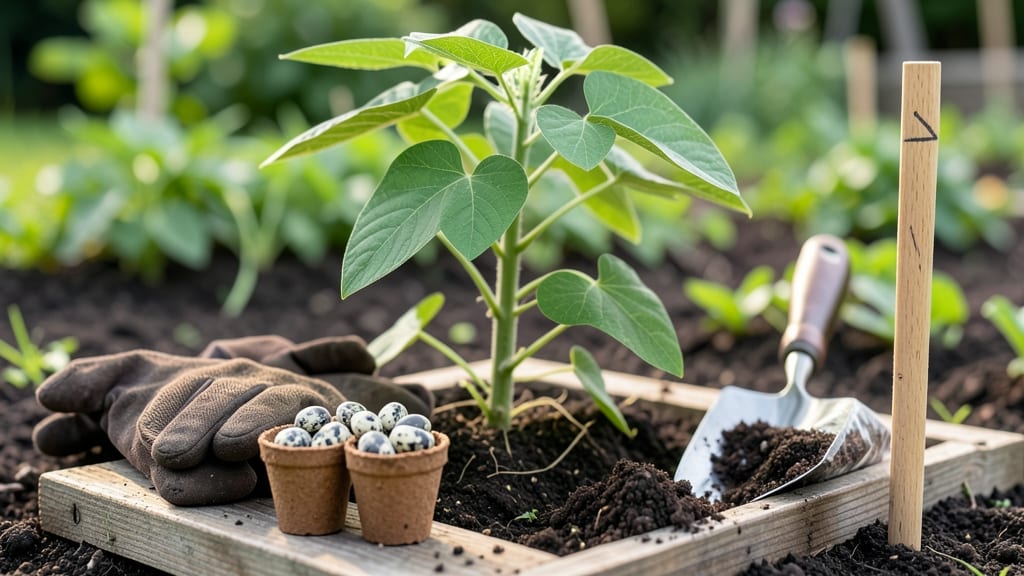
Planting green beans in Oklahoma at the wrong time means waiting weeks for those crisp, fresh pods—or worse, watching them bolt before you even taste them.
The key to a fast, abundant harvest isn’t just picking a month from a calendar; it’s about soil temperatures, frost-free windows, and knowing when your local microclimate says "go."
In USDA zones 6b-7a, where Oklahoma’s climate swings from chilly springs to scorching summers, timing matters more than you might think. Too early, and a late frost will wipe out your seedlings; too late, and your beans will struggle in the heat.
But get it right, and you’ll enjoy homegrown green beans 🌱 from June through October—no grocery store in sight.
I’ve learned the hard way that Oklahoma’s erratic weather demands a strategy: two planting windows (spring and fall), soil checks before sowing, and a few tricks to outsmart Mother Nature. Whether you’re a seasoned gardener or just starting, these insights will help you avoid common mistakes and maximize your yield.
Let’s break down the exact planting schedule, soil temperature secrets, and regional tweaks that make all the difference. Ready to grow beans that taste like summer?
Oklahoma green bean planting calendar: best months by variety type
Oklahoma’s USDA zones 6b-7a create a unique challenge for green bean growers: short, unpredictable springs and long, hot summers. The difference between a bountiful harvest and a disappointing yield often comes down to planting at the right time for your specific variety.
Bush beans, pole beans, and heirlooms each have ideal windows—and missing them can mean waiting months for those first crisp pods.
Most gardeners in Oklahoma focus on two main planting seasons: spring (April–May) and fall (July–August). But the exact timing depends on your last frost date (typically March 15–April 15), soil temperature, and whether you’re growing bush beans (compact, no trellis) or pole beans (vining, needs support).
Heirloom varieties often need extra attention to avoid bolting—when they flower too early and produce bitter pods.
Here’s the breakdown of best planting months by variety, along with soil temperature triggers and regional adjustments for Northern Oklahoma (cooler) vs. Southern Oklahoma (warmer). Use this as your roadmap to timing-perfect green beans 🌱.
For Northern Oklahoma (e.g., Oklahoma City, Tulsa), aim for late April to early May for spring plantings, as cooler soils delay germination.
In Southern Oklahoma (e.g., Lawton, Altus), you can plant pole beans as early as late March if you use black plastic mulch to warm the soil faster. Heirloom varieties, in particular, benefit from this regional tweak—they’re more sensitive to temperature swings.
One trick I’ve used in my Oklahoma garden is to plant bush beans first (mid-April) for an early harvest, followed by pole beans in late April. This staggered approach ensures a continuous supply of fresh pods from June through September.
If you’re new to pole beans, don’t skip the trellis—Oklahoma’s windy conditions can flatten vines without support.
Fall planting is just as critical. For Southern Oklahoma, start seeds indoors in late June and transplant in early August to beat the first frost (usually mid-N
Soil temperature secrets: how to test and time green bean germination
Green beans are finicky about soil temperatures—plant them too soon, and they’ll sit stubbornly in the ground waiting for warmth. The ideal range for germination is 60–85°F, but Oklahoma’s spring soil can linger in the 40s or 50s long after the last frost.
Without checking, you risk sowing seeds that never sprout or grow slowly, leaving you with a late, sparse harvest.
I’ve learned that a soil thermometer is my best friend in Oklahoma’s unpredictable climate. It’s not just about the calendar date—it’s about the ground’s readiness.
For example, in northern Oklahoma (zone 6b), soil may not hit 60°F until mid-April, while southern Oklahoma (zone 7a) could be ready by late March. A simple thermometer reading saves guesswork and heartache.
🌱 Step-by-Step Soil Temp Check for Green Beans
- 🌡️ Morning Test: Check soil temp at 8–10 AM (cooler mornings give a safer reading). Insert the thermometer 2 inches deep—this mimics seed depth.
- ⏰ Wait 30 Seconds: Let the thermometer stabilize. Readings below 60°F mean wait at least 1–2 weeks—seeds won’t germinate reliably.
- 🔥 Warmth Boost: If temps are 55–59°F, use black plastic mulch or a row cover to raise soil temps by 5–10°F within days.
- 🌱 Plant When: Soil hits 60°F consistently (test for 3 mornings in a row). For faster germination, aim for 70–85°F—ideal for Oklahoma’s summer plantings.
- ⚠️ Avoid Overheating: Soil above 90°F can stunt germination. In July–August, plant in partial shade or water deeply to cool the soil.
Oklahoma’s microclimates add another layer of complexity. A south-facing slope warms up faster than a north-facing garden bed, so test both areas. Even within your yard, soil temps can vary by 10°F—that’s why I always check where I plan to plant.
Pro tip: Raised beds warm up 1–2 weeks earlier than in-ground soil, making them ideal for early spring plantings.
If you’re planting in late spring (May–June), soil temps can spike quickly. Green beans in 80°F+ soil germinate in just 5–7 days, but they may bolt (flower prematurely) if stressed by heat.
To prevent this, water deeply before planting and use shade cloth if temps exceed 90°F during the day. I’ve found that succession planting in late July (when soil cools slightly) yields sweeter beans in fall.
For fall plantings, aim to sow seeds when soil temps drop to 70–80°F—typically late July to early August. This gives beans time to mature before the first frost (mid-November in most of Oklahoma).
Test soil temps in the afternoon for fall, as evenings cool faster. If you’re in zone 6b, push it to early August; in zone 7a, late July works best.
Remember: Germination speed isn’t just about heat—it’s also about moisture. Keep soil consistently damp (not soggy) until seedlings emerge. In Oklahoma’s dry springs, I often use a light sprinkler on a timer to maintain even moisture.
Once your beans are up, reduce watering slightly to 1–1.5 inches per week and focus on mulching to retain soil warmth and moisture. With these tricks, you’ll go from seed to harvest in 50–60 days—just in time for summer salads! 🥬