
Plants
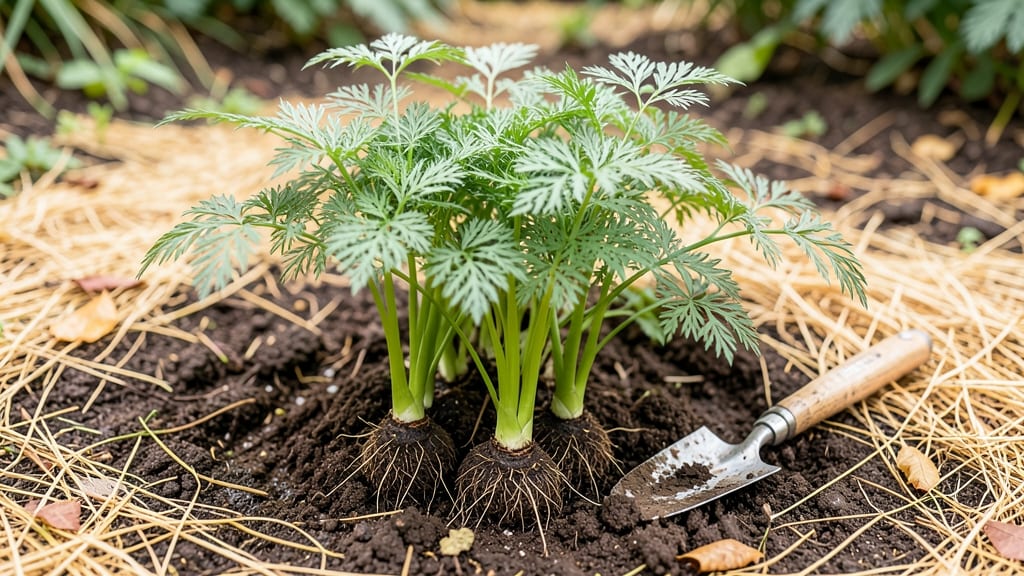
Planting asparagus in Michigan isn’t just about waiting for spring—it’s about catching the perfect soil temperature window to ensure your crowns take root fast and avoid frost damage.
While many gardeners assume March or April is the only time to plant, the real magic happens when the ground warms to 40°F–50°F, signaling it’s time to act.
This fast-growing perennial 🌱 thrives when planted at the right moment, but Michigan’s variable climate—especially in zones 5b-6b—means timing can make or break your harvest. Too early, and cold soil stalls germination; too late, and you’ll miss the ideal window for establishing strong roots before summer heat sets in.
I’ve tested the best methods for Michigan gardeners, including when to plant crowns in early spring versus fall, how to prep soil for faster growth, and why spacing matters more than you think. Let’s cut through the guesswork so you can enjoy homegrown asparagus for years to come.
Whether you’re a first-time planter or a seasoned gardener, these insights will help you avoid common mistakes and get your asparagus off to a speedy, successful start. Ready to dig in?
Michigan asparagus planting timeline based on soil temperature (not just frost dates)
Forget relying on calendar dates—soil temperature is the real secret to planting asparagus in Michigan. While frost dates matter, your asparagus crowns need consistent soil temps between 40°F and 50°F to establish strong roots before spring growth begins.
Planting too early in cold soil risks rot, while waiting too long delays your harvest window. Michigan’s climate zones (Upper vs. Lower Peninsula) create 2-3 week variations in ideal planting times, so knowing your local soil conditions is critical.
Most gardeners assume "early spring" means March, but Michigan’s USDA zones 5b-6b often have frozen ground well into April. The Upper Peninsula’s cooler microclimates (like zone 5a) may need to wait until mid-April, while southern Michigan (zone 6a) can start as early as late March.
Always check soil temps with a soil thermometer—this simple tool prevents costly mistakes and ensures your asparagus crowns wake up at the right time.
Why soil temperature matters more than frost dates: Asparagus crowns are dormant until soil reaches 40°F, but they’ll rot if planted in colder, waterlogged soil. Waiting for 50°F ensures faster root establishment and a stronger first-year harvest. Michigan’s unpredictable springs—with late frosts and wet conditions—make soil temperature the most reliable planting signal for consistent success.
If you’re planting in fall (September-October), aim for soil temps between 40°F-50°F again—this gives crowns time to establish roots before winter dormancy. Fall planting is riskier in Michigan’s colder zones (like the UP) but works well in southern Michigan where winters are milder.
The key is ensuring 6+ weeks of root growth before the first hard frost, which typically hits mid-October in most regions.
Michigan’s microclimates create surprises even within short distances. For example, a garden in Ann Arbor (zone 6a) might see 50°F soil by late March, while a farm just 30 miles north in Jackson (zone 5b) could still be at 38°F.
Always test your specific planting site—shady areas or low spots stay colder longer. Raised beds warm up faster, making them ideal for early planting in cooler zones.
Pro tip: Pre-warm your soil in colder zones by covering beds with black plastic mulch for 2-3 weeks before planting. This raises soil temps by 5-10°F, letting you plant 2-3 weeks earlier without risking rot.
Just remove the plastic right before planting to avoid overheating the crowns. For organic gardeners, compost or leaf mulch works too—just add it 4-6 weeks before planting to boost soil warmth naturally.
One common mistake Michigan gardeners make is planting by the calendar, not the soil. Many assume March 15th is safe, but soil temps below 40°F can still cause crown rot.
Use this soil temperature rule: Wait until you can consistently measure 40°F+ for 5+ days in the root zone (6-8 inches deep). This ensures your asparagus crowns wake up strong and don’t waste energy struggling in cold soil.
For container growers, soil warms faster in pots, so you can plant 1-2 weeks earlier than in-ground beds. Just ensure your containers have drainage holes and use a soil thermometer to confirm temps.
In Michigan’s short growing season, every warm day counts—starting containers indoors under grow lights (keeping soil at 50°F-60°F) can give
Step-by-step asparagus planting guide for Michigan’s short growing season
Michigan’s unpredictable springs demand precise timing for planting asparagus crowns. Unlike many vegetables, asparagus thrives when planted in cool but thawed soil, typically between 40°F–50°F.
This window usually falls in late March to early April in most of Michigan, but soil temps can vary by 10°F+ between the Upper and Lower Peninsulas.
I’ve learned the hard way that planting too early—when soil is still cold—delays germination by weeks. Meanwhile, waiting too long risks early summer heat, which stresses young roots. The key is balancing soil warmth with frost-free conditions, ensuring your crowns establish before Michigan’s infamous late spring frosts strike.
🌱 Step-by-Step Asparagus Planting for Michigan
- Step 1: Test Soil Temperature – Use a soil thermometer to confirm temps are 40°F–50°F. In Michigan, this often means waiting until late March or April, even if calendar spring has "arrived."
- Step 2: Prepare the Soil – Asparagus loves loamy, well-draining soil with a pH of 6.5–7.5. Work in 3–4 inches of compost or aged manure to boost organic matter, which Michigan’s clay-heavy soils often lack.
- Step 3: Dig Trench or Bed – Create a 12-inch-deep trench or raised bed. Space rows 18–24 inches apart to allow for future harvest access and airflow.
- Step 4: Plant Crowns Correctly – Place 1-year-old crowns (not fresh) 6–8 inches deep, with roots spread out. Space crowns 12–18 inches apart in rows.
- Step 5: Water Deeply – Soak the soil to 12 inches deep immediately after planting. Use a soaker hose to avoid disturbing the soil surface.
- Step 6: Mulch Heavily – Apply 4–6 inches of straw or wood chips to retain moisture and suppress weeds. In Michigan’s wet springs, this prevents crown rot.
- Step 7: Protect from Frost – If late frosts threaten, cover young plants with frost cloth until temps stabilize. Asparagus is perennial, so first-year growth is minimal—patience is key!
Michigan’s wet springs can drown asparagus crowns if drainage is poor. To prevent this, I always raise beds in areas with high water tables or amend clay soil with sand and peat moss.
A simple test: Dig a hole, fill it with water, and if it drains in 2 hours, your soil is ready.
After planting, resist the urge to fertilize immediately—young roots need time to establish. Instead, wait until new shoots appear in spring before applying a balanced 5-10-10 fertilizer. Over-fertilizing can burn tender roots, especially in Michigan’s cool, damp conditions.
First-year asparagus won’t produce spears—focus on strong root development. In years two and three, you’ll see sparrow harvests, but full production takes 3–4 years. Patience pays off with decades of harvests from this hardy perennial.
🌿