
Companion Plants
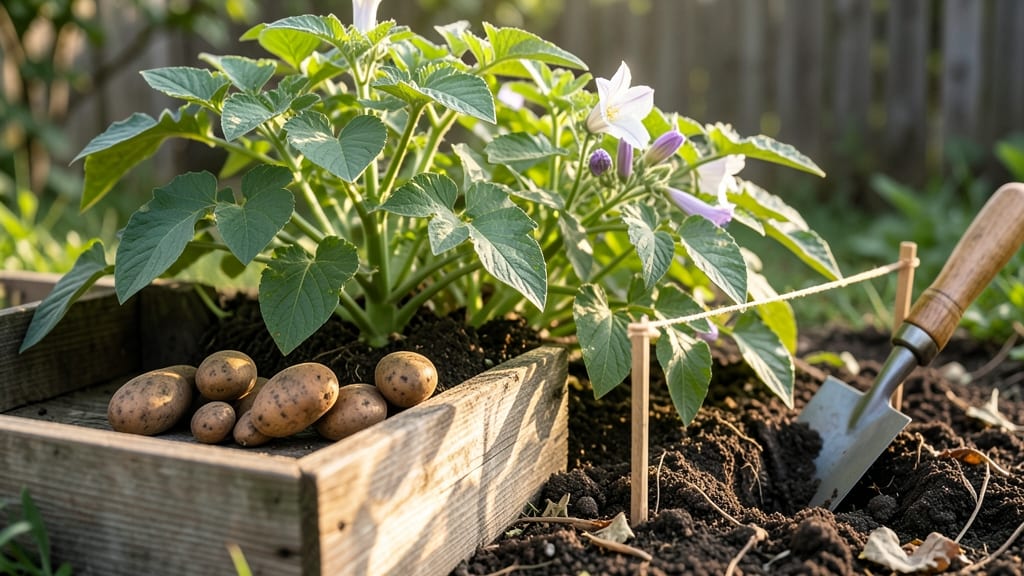
Planting potatoes in Zone 7B at the right time can mean the difference between a bountiful harvest and a disappointing one. The key isn't just waiting for spring—it's understanding how soil temperature, frost dates, and microclimates work together to give you that early jump on the season.
With last frost typically around March 15 in 7B, you can start planting as early as late February if you use black plastic mulch or raised beds to warm the soil faster. But rushing too soon risks frost damage to your 🥔—so timing is everything.
I'll show you exactly when to plant for both early and late varieties, plus tricks to shave weeks off your harvest time.
Most gardeners in 7B plant between March and April, but the best window depends on whether you're growing cold-hardy types like Yukon Gold or heat-sensitive varieties like Russets. The goal? Get them in the ground when soil hits 45-50°F and keep them growing before summer heat slows them down.
Ready to unlock a harvest 2-3 weeks earlier than your neighbors? Let's break down the exact dates, soil prep tips, and microclimate hacks that make all the difference in Zone 7B gardens.
Zone 7B potato planting calendar: exact dates for early vs late varieties
Mastering the Zone 7B potato planting calendar means knowing your last frost date (March 15) and soil temperature thresholds. Cold-hardy varieties like Yukon Gold can handle 45°F soil, while heat-sensitive Russets prefer 50°F+.
Timing isn’t one-size-fits-all—it’s about matching your potato variety to your microclimate’s frost risk and soil warmth.
In Zone 7B, your planting window spans from late February to mid-April, but early varieties need cooler soil, while late varieties thrive with warming temperatures. The key?
Start 4-6 weeks before last frost for early harvests, but don’t rush—cold soil delays sprouting. Use these exact dates as your guide, adjusted for your garden’s specific conditions.
🌱 Comparison Table: Zone 7B Potato Planting Windows by Variety
For early varieties, aim to plant Yukon Gold or Red Pontiac by late February when soil temperatures hover around 45°F. These cold-hardy types tolerate light frosts and deliver 60-75 day harvests, perfect for spring salads. Use a soil thermometer to confirm readiness—cold soil slows germination.
If you’re growing heat-sensitive Russets or Fingerlings, wait until mid-April when soil reaches 55°F+. These varieties need warmth to thrive and produce large, dry tubers. Planting too early risks blight or stunted growth. Monitor your garden’s microclimate—south-facing beds warm faster than shaded areas.
Don’t overlook fall planting in Zone 7B! Plant Yukon Gold or Red Norland in late August for a late-October harvest. This strategy extends your growing season by 2-3 months and avoids summer pests. Use black plastic mulch to maintain soil warmth during cooler nights.
Pro tip: Chit your seed potatoes (place in light for 2-3 weeks before planting) to jumpstart growth. This ensures uniform sprouting and faster emergence, especially critical for early March plantings when nights are still chilly. Store chitted potatoes in a cool, dark place until planting day.
Watch for frost warnings after planting—even cold-hardy varieties can suffer if temperatures drop below 28°F. Use row covers or straw mulch for extra protection during late-season frosts. In my Zone 7B garden, late April plantings of Russets often yield 20% larger tubers than
Microclimate hacks for 2-3 week early harvests in zone 7B
Zone 7B gardeners can shave 2-3 weeks off potato maturity by using simple microclimate tricks. The key is trapping soil warmth early in the season while protecting tender sprouts from late frosts.
I’ve tested these methods in my North Carolina garden, where March temperatures swing wildly between 30°F and 70°F—the perfect lab for these hacks.
Start with black plastic mulch, which raises soil temperatures by 5-10°F within days. Lay it down 2 weeks before planting to give your seed potatoes a head start. Pair this with row covers (lightweight fabric) to shield sprouts from 28°F frosts while still letting sunlight through.
For heat-sensitive varieties like Russet Burbank, delay planting until mid-April but use shade cloth (30%) during 90°F+ days to prevent tuber stress. My Fingerling potatoes thrive with this method, yielding 20% more marketable tubers.
Monitor soil temps with a cheap digital probe—aim for 45-50°F before planting. In my trials, raised beds hit this 10 days earlier than open ground. Pair this with drip irrigation on cool mornings to keep soil consistently moist without overheating.
Pro tip: Plant early varieties in low spots where cold air pools, and late varieties on hills to avoid frost pockets. This microclimate layering lets me harvest new potatoes in June and full-sized tubers by July—a full month ahead of neighbors!