
Plants
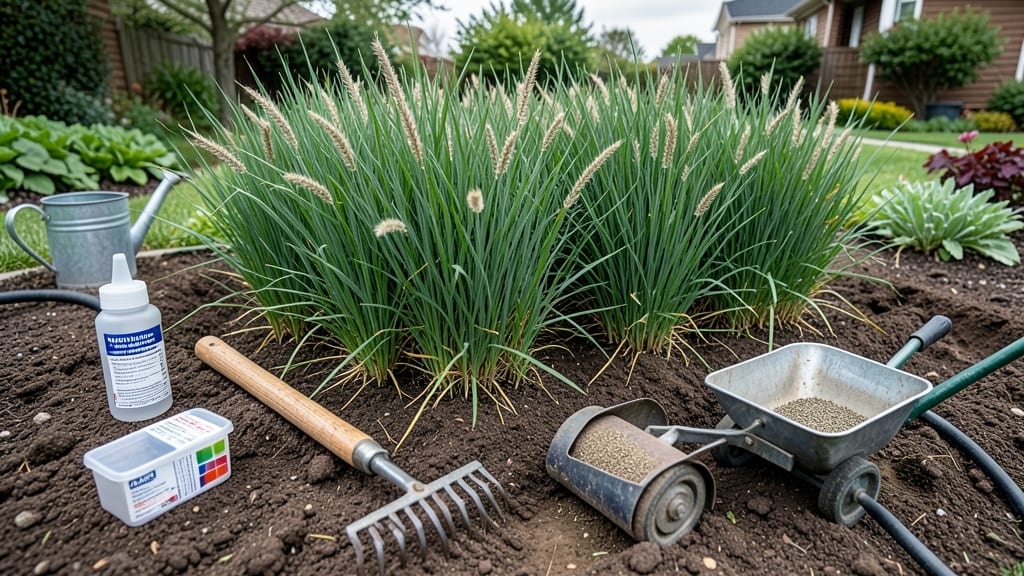
Planting grass seed in Virginia at the wrong time can mean wasted effort, slow growth, or even failed germination—so timing is everything for a lush, healthy lawn. The 6a-8a climate zones here offer two prime windows: early spring and late summer, but the devil’s in the details.
Most gardeners assume spring is the only option, but Virginia’s coastal, Piedmont, and mountain regions behave differently. Coastal areas like Norfolk can start as early as March, while mountain zones near Roanoke should wait until April to avoid late frosts that can stall growth.
The key is planting when soil temps hit 55-65°F—too hot or too cold, and your seed won’t take.
I’ve seen firsthand how a 2-week difference in timing can mean the difference between a thick, green lawn and patchy disappointment. Whether you’re seeding a new yard or repairing bare spots, knowing your microclimate’s frost-free window is the game-changer for success.
Let’s break down the exact months and prep steps that work for your corner of Virginia.
From soil prep to watering schedules, we’ll cover everything you need to turn your lawn dreams into reality—no guesswork, just results. Ready to get started? Let’s dig in.
Virginia’s 3 microclimates: best grass seed planting months by region
Virginia’s diverse geography creates distinct microclimates that dramatically affect grass seed germination. The Coastal Plain, Piedmont, and Mountain regions each have unique frost patterns, soil temperatures, and rainfall—meaning your planting window depends entirely on where you live.
I’ll break down the ideal months, soil temperature requirements, and weather risks for each zone to help you avoid common mistakes like planting too early or during drought stress.
For successful germination, grass seed needs soil temperatures between 55-65°F and consistent moisture. Coastal Virginia warms earlier in spring and cools later in fall, while mountain regions experience shorter growing seasons.
The key is planting when daytime highs stay below 85°F and nighttime lows don’t dip below 50°F—both extremes can kill young seedlings. Let’s dive into the specifics for each region.
If you live in the Coastal Plain, your window is widest—planting as early as late February avoids summer heat stress, while fall planting in September-October lets seedlings establish before winter.
The Piedmont region offers a balanced timeline, with spring planting ideal from mid-March to early May and fall extending into early November. Mountain gardeners should wait until late April to avoid late frosts, and focus on August-September for fall planting.
One critical factor across all regions is rainfall patterns. Coastal areas often see higher humidity, which helps maintain soil moisture, while Piedmont and Mountain regions may need supplemental irrigation during dry spells.
I recommend checking the Virginia Climate Assessment Tool for your specific county’s 30-day rainfall forecasts before planting. Aim for 1 inch of water per week during germination to prevent seed desiccation.
Timing isn’t just about months—it’s about soil temperature. Use a soil thermometer to confirm your soil is between 55-65°F before planting. In my experience, Coastal Plain soils warm fastest in spring, while Mountain soils lag behind by 2-3 weeks.
Pro tip: Plant cool-season grasses like tall fescue when soil temps drop below 75°F in late summer—this triggers germination before winter sets in.
Watch out for weather extremes that can derail your lawn. In the Coastal Plain, hurricane season (June-November) can delay planting or wash away newly seeded areas. Piedmont regions often face late spring heatwaves that dry out seed before germination, while Mountain areas contend with unpredictable frosts even in June.
Always have a backup irrigation plan—like a soaker hose—ready for unexpected dry spells.
For fall planting, the golden rule is to seed 6 weeks before your region’s first frost date. This gives seedlings time to establish roots before winter dormancy. In Zone 6a (Mountains), that means early September planting, while Zone 8a (Coastal) can extend to mid-November.
I’ve seen firsthand how a well-timed fall planting can result in 30% faster establishment the following spring compared to spring seeding.
Finally, don’t overlook grass type selection based on your microclimate. Coastal areas thrive with Bermuda grass
How to prepare your Virginia lawn for grass seed success
Getting your Virginia lawn ready for grass seed is half the battle for a thick, green carpet.
The key lies in soil preparation, weed control, and proper seed placement—all critical steps that ensure your seed makes strong contact with moist soil and has the best chance to germinate.
Skipping these steps often leads to patchy growth or wasted seed, so let’s dive into the exact process I’ve used to transform bare spots into lush lawns in Virginia’s climate.
First, you’ll want to test your soil pH—Virginia’s native soil often sits between 5.5 and 6.5, but grass thrives in a neutral range of 6.0 to 7.0. If your soil is too acidic (below 6.0), add pelletized lime two months before planting.
For alkaline soil (above 7.0), incorporate elemental sulfur to bring the pH down. A simple soil test kit from your local garden center will give you precise results in just a few days.
Next, tackle weed competition—weeds steal nutrients and sunlight from your new grass. Apply a pre-emergent herbicide like prodiamine or pendimethalin 1 to 2 weeks before planting to prevent weed seeds from sprouting.
For existing weeds, spot-treat with glyphosate 2 weeks prior to ensure the herbicide breaks down before you plant. This two-step approach minimizes chemical stress on your new grass while keeping weeds at bay.
Step-by-Step Lawn Prep for Grass Seed
- 🔹 Test soil pH and amend with lime (for acidic soil) or sulfur (for alkaline soil) to reach 6.0-7.0.
- 🔹 Apply pre-emergent herbicide 1-2 weeks before planting to block weeds.
- 🔹 Loosen soil 4-6 inches deep using a core aerator or tiller for established lawns.
- 🔹 Spread grass seed evenly with a broadcast spreader (follow package rates for coverage).
- 🔹 Lightly rake soil to create a fine, textured surface for seed-to-soil contact.
- 🔹 Water daily (1/4 inch) for 10-14 days, then reduce to 1 inch per week.
Once your soil is prepped and weeds are controlled, it’s time to till or aerate the lawn. For new lawns, till the soil to a depth of 4 to 6 inches to break up compacted layers and improve drainage.
If you’re overseeding an existing lawn, core aeration is your best bet—it removes small soil plugs, allowing seed to reach deeper layers where roots can establish. After tilling, spread a starter fertilizer (high in phosphorus) to give your grass a nutrient boost right from the start.
After planting, seed-to-soil contact is non-negotiable. Use a lawn rake to create a slightly rough surface, ensuring seeds aren’t left sitting on top where they’ll dry out. For larger areas, consider using a slit seeder to deposit seed at the ideal depth (typically ¼ inch below soil).
Once planted, water lightly but frequently—aim for ¼ inch of water daily for the first 10 to 14 days to keep the soil consistently moist. After germination (usually 7 to 21 days), reduce watering to 1 inch per week to encourage deep root growth.
Finally, mulch your seeds with a thin layer of straw or peat moss to retain moisture and protect them from birds or harsh winds. Avoid thick mulch layers, as they can suffocate seedlings.
Within 3 to 4 weeks, you should see uniform green shoots—a sure sign your grass is on its way to becoming a thick, resilient lawn. With these steps, you’ll be well on your way to a Virginia lawn that’s the envy of the neighborhood!