
Watering
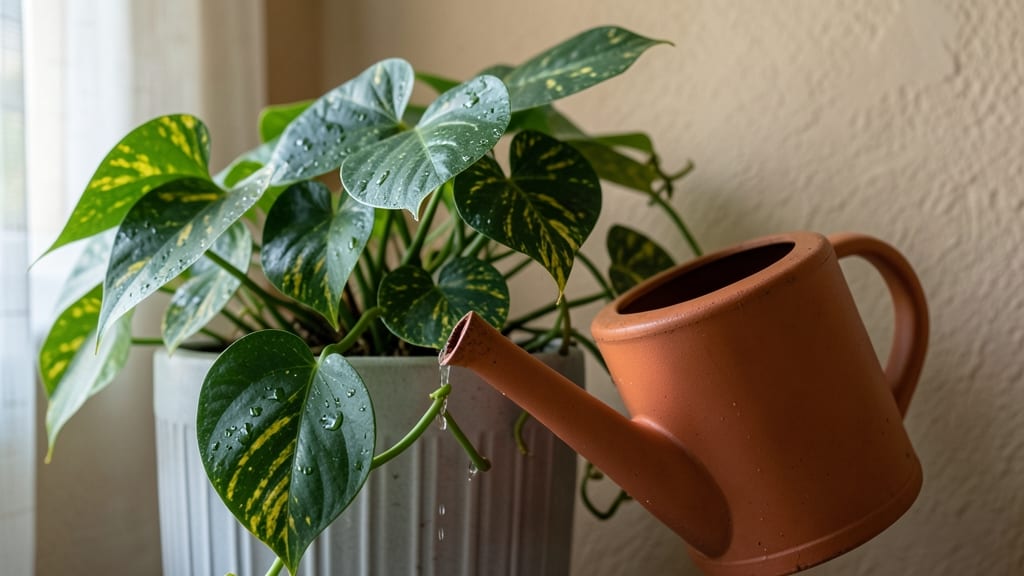
If your money plant 💵 is struggling to thrive, the answer might be simpler than you think—it's likely getting too much (or too little) water.
This tropical favorite hates soggy roots but also despises drying out completely, making the perfect watering schedule the key to keeping its lush leaves vibrant year-round.
I’ve watched countless money plants wither from well-meaning overwatering, only to bounce back once I adjusted the routine. The secret isn’t complicated: it’s about checking soil moisture, adjusting for seasons, and avoiding common pitfalls that turn your plant’s leaves yellow or crispy.
In this guide, I’ll break down exactly how often to water your money plant 💵, how to spot signs of distress, and the best methods to keep it happy without guesswork.
Whether you’re a beginner or a plant parent who’s lost a few along the way, these tips will save you time—and your plant’s life.
Let’s dive into the simple, science-backed routine that’ll have your money plant growing strong in no time, no matter where you are in USDA Zone 6a or beyond.
How often to water a money plant: the perfect schedule for healthy growth
Your money plant (Pachira aquatica) thrives on a consistent but cautious watering routine—too much or too little can spell disaster. Unlike thirsty houseplants, money plants store water in their thick stems, making them surprisingly drought-tolerant.
The key? Let the top 1-2 inches of soil dry out between waterings, then give it a thorough soak. Overwatering is the #1 killer, causing root rot and yellowing leaves faster than you can say "goodbye to my lucky charm."
Seasonal changes drastically alter your watering schedule. In summer heat, your money plant may need water every 7-10 days, while winter dormancy can stretch that to every 3-4 weeks. Humidity levels in your home also play a role—dry air from furnaces or AC means more frequent watering.
Pro tip: Group your money plant with other houseplants to create a microclimate of natural humidity.
Before reaching for your watering can, test soil moisture like a pro. Stick your finger 1-2 inches deep—if it feels dry, it's time to water. For container-grown plants, lift the pot: a dry pot means dry soil.
If you're unsure, use a moisture meter for accuracy. Remember, money plants hate soggy soil, so always ensure your pot has drainage holes and use a well-draining potting mix with perlite or sand.
| Season | Watering Frequency | Soil Check | Watering Time | Notes |
|---|---|---|---|---|
| Spring | Every 10-14 days | Top 1-2" dry | Morning (9-11 AM) | Increase frequency if leaves droop |
| Summer | Every 7-10 days | Top 1" dry | Morning (before 10 AM) | Watch for wilting in heatwaves |
| Fall | Every 10-14 days | Top 1-2" dry | Morning (9-11 AM) | Reduce as temps drop |
| Winter | Every 3-4 weeks | Top 2-3" dry | Room temp (avoid cold water) | Dormant phase—water sparingly |
| Year-Round | Adjust for humidity | Finger test | Morning preferred | Dry air = water more often |
New money plant owners often make the mistake of watering on a strict schedule instead of checking soil conditions. But plants don't follow calendars—they respond to environmental cues. If your money plant's leaves start curling or yellowing, it's begging for a soil moisture check.
Conversely, if the leaves feel crispy or dry, you've underwatered. The good news? Money plants are forgiving—they bounce back quickly when you adjust your routine.
Pot size matters more than you think. A small 6-inch pot may need water every 7-10 days, while a large 12-inch container can go 2-3 weeks between waterings. Larger pots hold moisture longer, mimicking natural drought conditions in their tropical origins.
If you're repotting, choose a container just 1-2 inches larger than the root ball to prevent overwatering. Pro move: Use terracotta pots—they wick away excess moisture faster than plastic.
Morning watering is your best friend. Watering in the early morning (9-11 AM) gives roots time to absorb moisture before the heat of the day. Avoid evening watering—wet foliage overnight invites fungal diseases like powdery mildew. If you must water in the evening, dry the leaves thoroughly afterward.
For extra care, bottom-water your money plant by placing the pot in a tray of water for 10-15 minutes. This encourages deep root growth and prevents overwatering.
Humidity is the silent watering partner you're probably ignoring. Money plants love 50-70% humidity, but most homes sit at 30-40%, especially in winter. Boost humidity by grouping plants together or placing a pebble tray with water nearby.
Mist the leaves 2-3 times a week in dry climates, but avoid soaking the foliage—water at the soil line instead. A humidifier near your plant can work wonders, especially if you notice brown leaf tips, a classic sign of dry air.
Even with perfect watering, your money plant might drop a few leaves—don't panic! This is normal, especially when adjusting to new light conditions or after repotting. Focus on consistent care
Signs your money plant is overwatered or underwatered (and how to fix it)
Your money plant 💵 might look tough, but it’s actually quite sensitive to watering mistakes. The most common issue I see? Yellow leaves that signal either too much or too little water.
Unlike succulents, money plants can’t store water for long, so their leaves droop or develop brown edges when stressed. The good news? Most watering problems are reversible with the right adjustments.
First, let’s tackle the most critical mistake: assuming your money plant needs water on a strict schedule. In reality, it’s all about the soil’s moisture level. Stick your finger about an inch into the soil—if it feels dry, it’s time to water.
If it’s still damp, wait a few more days. This simple check saves countless plants from root rot or dehydration.
Money plants hate soggy soil. Overwatering causes root rot, which turns leaves yellow and mushy. Underwatering leads to crispy, brown edges. Both issues start with poor drainage—always use pots with holes and well-draining soil mix.
💡 Pro Tip: If your plant’s leaves feel soft or fall off easily, it’s overwatered. If they’re dry and brittle, it’s thirsty.
Let’s start with overwatering signs. If your money plant’s leaves turn yellow and mushy, especially at the bottom, it’s drowning. The soil may smell sour or feel squishy. To fix this, stop watering immediately and repot the plant into fresh, dry soil with perlite for better drainage.
Place it in a spot with bright, indirect light to help it recover.
Now, let’s talk underwatering. Brown, crispy edges on leaves? That’s your plant screaming for water. The soil might pull away from the pot’s sides, and the leaves could feel dry to the touch.
Revive it by giving it a deep soak—water until it drains from the bottom, then empty the saucer. Repeat every 7–10 days until the leaves plump up again.
Here’s where most gardeners go wrong: ignoring seasonal changes. In summer, your money plant may need water every 7–10 days, but in winter, it might only need a drink every 3–4 weeks.
Always adjust based on your home’s humidity and temperature. A humidity tray with pebbles and water can help mimic its tropical roots.
Finally, avoid these common mistakes: watering on a schedule without checking soil, using tap water with high chlorine, or letting the plant sit in standing water.
Instead, water in the morning, use room-temperature water, and always ensure excess water drains away. With these tweaks, your money plant will bounce back in no time!
🌱