
How To
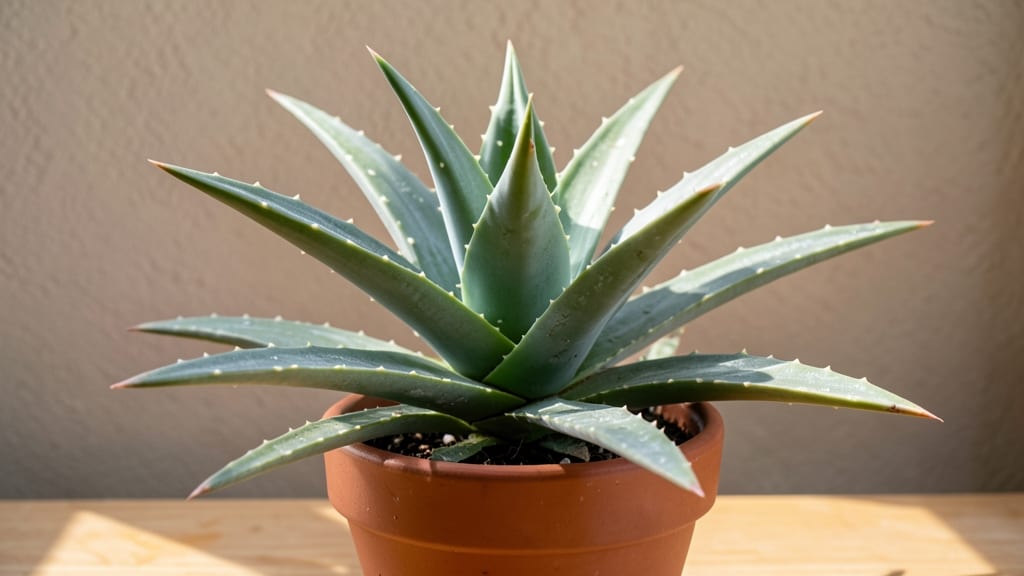
Your aloe plant 🌱 might be telling you something important—how much light does an aloe plant need is the key to unlocking its full potential, and it’s not just about watering, but the light it gets that makes or breaks its health.
Too little sunlight and it stretches out pitifully, while too much can scorch its leaves faster than you can say "sunburn."
Getting the balance right is easier than you think, and I’ve got the exact lighting secrets to keep your aloe thriving, whether it’s basking on your patio or perched on a windowsill.
Most gardeners assume aloe plants are low-maintenance, but the truth is, they’re picky about their light—6 hours of bright, direct sunlight is their sweet spot, though they can handle a little less if you’re in a shadier climate like USDA Zone 6a. The key is watching for those subtle signs: if the leaves are turning yellow or stretching toward the light, your plant is begging for more sun.
On the flip side, crispy brown edges? That’s a cry for shade.
Don’t have a sunroom or balcony? No problem—I’ll show you how to hack indoor lighting with simple tricks, like rotating your plant for even growth or using a grow light when natural light falls short.
Even in spring, when planting season kicks off, understanding these light needs will set your aloe up for year-round success, whether you’re harvesting gel for burns or just admiring its striking foliage.
Let’s cut through the guesswork and dive into the exact lighting conditions your aloe craves, so you can finally stop second-guessing and start growing a plant that’s as happy as it is hardy. Ready to unlock the secrets?
 Best Window Placement
Ideal light requirements for aloe vera growth: sun vs. shade balance
Aloe vera plants thrive in bright, indirect light with a mix of direct sunlight exposure. While they love sunlight, too much can scorch their leaves, while too little causes them to stretch and weaken. Finding the perfect balance ensures your aloe stays healthy and vibrant year-round.
Outdoor aloe plants need 4-6 hours of direct sunlight daily, ideally in the morning or late afternoon when the sun is less intense. This mimics their natural desert habitat while preventing leaf burn. Indoor plants, however, require bright indirect light near a south-facing window.
Here’s a quick breakdown of your aloe’s light needs to keep it thriving:
| Light Condition | Daily Exposure | Best For | Signs of Stress |
|---|---|---|---|
| Full Sun | 6+ hours direct | Outdoor pots, desert climates | Brown leaf tips (burn) |
| Bright Indirect | 4-6 hours indirect | Indoor south windows, offices | Stretched, pale leaves |
| Partial Shade | 2-4 hours direct | East/west windows, filtered light | Slow growth, weak stems |
| Low Light | <1 hour direct | North windows, basements | Leggy growth, yellowing |
For outdoor aloe plants, morning sun is ideal—it’s less harsh than afternoon rays. If your aloe is in a pot, rotate it quarter-turns weekly to ensure even light exposure. This prevents one side from becoming too stretched or weak.
Seasonal adjustments are key: in summer, provide afternoon shade to prevent leaf burn, while winter’s weaker sun means you can move plants closer to windows. Indoor grow lights (12-14 hours/day) work well if natural light is limited.
Watch for yellowing leaves or brown patches—these are red flags. Yellowing often means too much water in low light, while brown patches signal sunburn. Adjust placement immediately to save your plant.
Pro tip: Place your aloe near a window but not touching the glass. Cold drafts from windows can stress the plant, even with plenty of light. Use a sheer curtain to diffuse harsh sun if needed.
Remember, aloe vera is a sun-seeker but not a sun-lover. The goal is bright, consistent light without scorching. With the right balance, your aloe will reward you with thick, plump leaves and minimal care demands.
Start by testing your aloe’s light spot for a few hours. If leaves look happy and green, you’ve nailed it! If not, tweak the placement until you find that sweet spot.
Signs your aloe plant isn’t getting enough (or too much) light
Aloe plants are sun worshippers, but even they can suffer from light stress when conditions swing too far. If your aloe’s leaves are turning pale or stretched, it’s begging for more sunlight.
Conversely, brown patches or crispy edges scream "too much sun!" These visual cues help you diagnose the issue quickly and adjust care before permanent damage occurs.
Start by observing your aloe’s leaf color and growth patterns. A healthy aloe has thick, vibrant green leaves with minimal gaps between them. When light needs aren’t met, the plant sends distress signals through its foliage—often before other symptoms appear.
Pay attention to new growth, as this is where light deficiencies show up first.
⚠️ CALLOUT WARNING ⚠️
Aloe plants thrive with 4-6 hours of direct sunlight daily. Here’s the breakdown:
| Light Condition | Symptoms | Solution |
|---|---|---|
| Too Little Light | Pale, stretched leaves; slow growth | Move to brighter spot (south-facing window) |
| Just Right | Thick, vibrant green leaves; compact growth | Maintain current conditions |
| Too Much Light | Brown patches; crispy edges; sunburn | Provide afternoon shade or filter light |
Pro Tip: Rotate your aloe quarterly to ensure even light exposure and prevent lopsided growth.
If your aloe’s leaves are stretching upward or developing a leggy appearance, it’s reaching for light—a classic sign of light deficiency. This happens when aloe plants don’t get enough bright indirect or direct sunlight.
To fix this, relocate your plant to a sunnier spot, like a south-facing window or a well-lit indoor space. For outdoor aloes, ensure they’re in partial shade during peak afternoon hours if your climate is extremely hot.
On the flip side, sunburned leaves with white or brown patches indicate excessive light exposure. This often occurs when aloes are suddenly moved from indoor conditions to full, unfiltered sunlight.
If you notice these symptoms, provide afternoon shade or use a sheer curtain to diffuse harsh rays. For severe cases, move the plant to a shadier location temporarily while it recovers.
Another red flag is yellowing leaves, which can signal either overwatering or light stress. To diagnose, check the soil moisture first—if it’s dry, the issue is likely insufficient light.
Combine this with slow growth or smaller-than-average leaves, and you’ve got a clear case of light deprivation. In such cases, supplement natural light with a grow light if you’re indoors.
For a quick troubleshooting checklist, note these key indicators: ☑️ Pale or stretched leaves = More light needed ☑️ Brown patches or crispy edges = Too much light ☑️ Slow growth or leggy stems = Light deficiency ☑️ Yellowing leaves + dry soil = Light or water imbalance Adjust your aloe’s environment based on these signals, and you’ll see healthier growth in just a few weeks.