
Plants
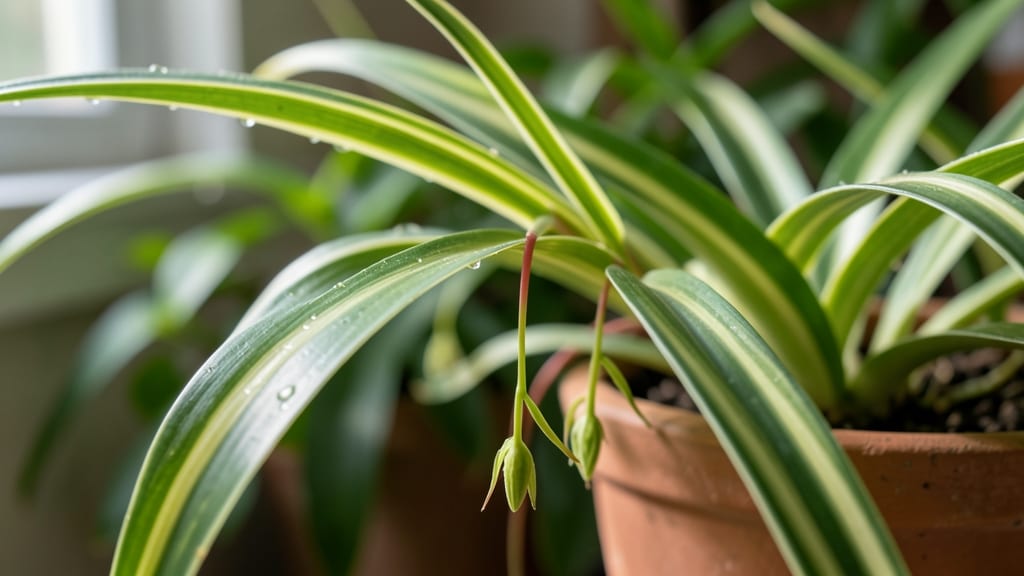
If you’re wondering how much light does a spider plant need indoors, the answer might surprise you—these hardy plants thrive in conditions most homes naturally provide, but getting the balance wrong can lead to brown tips or slow growth.
Most people assume Spider Plants need bright light, but the truth is they’re surprisingly adaptable. Whether you’re dealing with a dim corner or a sun-drenched windowsill, understanding their preferences will help you avoid common mistakes. Let’s break down exactly how much light these plants need to stay lush and happy.
The key to success lies in bright, indirect light—think of it as the Goldilocks zone for your Spider Plant. Too little, and you’ll see pale, leggy growth; too much, and those crispy brown edges appear. With the right setup, you can keep your plant thriving year-round, even in low-light spaces.
I’ll show you how to spot the signs of improper lighting and where to place your Spider Plant for optimal growth. Ready to give your plant the perfect light conditions?
 Best Window Placement
Ideal light requirements for spider plants: bright indirect light explained
If you're wondering how much light does a spider plant need indoors, the answer is simpler than you might think. These resilient plants thrive in bright indirect light, making them perfect for most indoor spaces.
Unlike sun-loving plants, spider plants avoid harsh sunlight, which can scorch their delicate leaves. Instead, they prefer gentle, filtered light that mimics their natural understory habitat.
Understanding the light intensity spectrum—from low to bright indirect—is key to keeping your spider plant healthy. Too little light leads to pale, leggy growth, while too much causes brown tips.
The sweet spot? Placing your plant near an east or north-facing window where sunlight is soft and diffused. This balance ensures your spider plant grows lush and vibrant without stress.
| Light Level | Description | Ideal Placement | Effects on Spider Plant |
|---|---|---|---|
| Low Light | Fewer than 4 hours of indirect light daily (e.g., deep corners, north-facing rooms with no direct light). | Avoid entirely; use grow lights if necessary. | Pale leaves, slow growth, weak stems. |
| Medium Light | 4-6 hours of bright indirect light (e.g., 3-5 feet from an east or north window). | Best for most indoor settings. | Healthy green leaves, moderate growth, occasional spiderettes. |
| Bright Indirect Light | 6+ hours of filtered light (e.g., 1-2 feet from a north or east window, or under sheer curtains). | Optimal for vigorous growth. | Dark green leaves, rapid growth, frequent spiderettes. |
| Direct Sunlight | More than 2 hours of unfiltered sunlight (e.g., south or west windows without curtains). | Avoid; use sheer curtains to diffuse light. | Brown leaf tips, crispy edges, sunburnt patches. |
Spider plants are famously adaptable, but their ideal light requirements still matter for long-term health. In low-light conditions, they may stretch toward the light—a condition called etiolation—resulting in weak, spindly stems.
On the flip side, direct sunlight can cause leaf burn, turning edges brown and brittle. The goal is to replicate the dappled light they’d receive under a forest canopy.
If your home lacks natural light, don’t worry—artificial grow lights can save the day. A simple LED grow light placed 6-12 inches above your plant for 12-14 hours daily mimics natural light perfectly.
Look for lights with a cool white or full-spectrum bulb to cover the plant’s needs without overheating. This setup is especially useful in offices, basements, or north-facing apartments where sunlight is scarce.
Another pro tip: Rotate your spider plant quarter-turns every 2-3 weeks. This ensures even light exposure, preventing lopsided growth where one side leans toward the window. Even in bright indirect light, uneven exposure can cause one side of the plant to grow faster, creating an unbalanced appearance.
A little rotation keeps your spider plant symmetrical and healthy.
For those with south or west-facing windows, use sheer curtains or a light filter to diffuse harsh rays. Direct afternoon sun is the biggest culprit for leaf damage, so taking this precaution can make all the difference.
If you notice brown tips appearing, it’s a clear sign your plant is getting too much direct light—move it back a few feet or add a sheer curtain immediately.
Seasonal changes also affect light exposure. In winter, days are shorter, and indoor light may feel dimmer. This is when supplemental grow lights shine (literally!). A small LED light placed near your plant for a few extra hours can prevent winter lethargy.
Conversely, in summer, watch for intense afternoon sun and adjust placement accordingly to avoid heat stress.
Remember, spider plants are forgiving, but they do communicate their needs through their leaves. If yours starts looking leggy or pale, it’s craving more light. If the tips turn brown, it’s begging for shade.
Pay attention to these signals, and you’ll create the perfect indoor environment for your spider plant to thrive year-round.
With the right light balance, your spider plant will reward you with lush green foliage and those adorable spiderettes—a sure sign you’ve cracked the code on indoor plant care. Happy growing! 🌱
Ideal light requirements for spider plants: bright indirect light explained
Spider plants are famously adaptable, but their ideal light requirements are often misunderstood. These plants thrive in bright indirect light, which means they need plenty of natural light without harsh direct rays.
Think of it like a morning coffee—just enough to energize without burning. Most homes naturally provide this balance near windows, but placement matters.
In my experience, east-facing windows offer the perfect light for spider plants. These windows provide gentle morning sun that fades before it becomes intense. South-facing windows can work too, but only if you position the plant a few feet away to avoid direct sunlight.
West-facing windows are trickier—they can deliver harsh afternoon rays that scorch delicate leaves.
Here’s how to visualize the perfect light setup for your spider plant:
| Light Condition | Description | Plant Response |
|---|---|---|
| Bright Indirect Light | East or north window, 2-3 feet away | Healthy green leaves, rapid growth, frequent spiderettes |
| Medium Light | Few feet from a window or bright room | Slower growth, slightly paler leaves, fewer spiderettes |
| Low Light | Dim corners, basements, or north-facing rooms without direct light | Leggy growth, sparse leaves, weak stems |
| Direct Sunlight | South or west window without filtering | Brown tips, crispy edges, sunburned leaves |
If your home lacks natural light, don’t worry—grow lights can save the day. A simple LED grow light placed 6-12 inches above your plant for 12-14 hours daily mimics bright indirect light.
I’ve seen spider plants flourish under these lights in offices and basements. Just avoid placing the light too close, or you’ll risk burning the leaves.
One common mistake is assuming all light is equal. Fluorescent lighting in offices often isn’t strong enough, leading to leggy plants. If you notice your spider plant stretching toward the light, it’s a clear sign it needs more intensity.
Rotate the pot every few weeks to ensure even growth and prevent lopsided development.
Remember, spider plants are forgiving, but they’ll always reward you with lush green leaves and those adorable spiderettes when you get their light needs just right. Start with bright indirect light, adjust based on their response, and watch them thrive.