
Plants
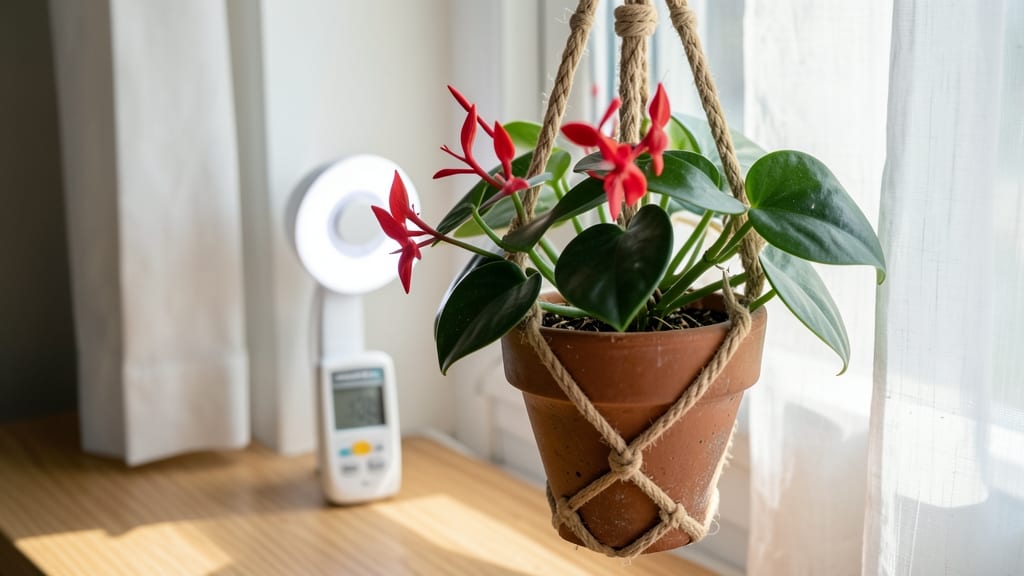
Want to know how much light does a lipstick plant need to burst into vibrant blooms instead of struggling to survive? Getting the light right is the game-changer—too little and it fades, too much and it burns.
This tropical beauty thrives in bright but indirect sunlight, making it perfect for indoor gardeners with east or west-facing windows.
The trick is mimicking its natural shade-dappled habitat. Place it 2-3 feet from a window where it gets 4-6 hours of gentle light daily. Too little? You’ll spot leggy stems and sparse flowers. Too much? Watch for crispy edges and sunburnt leaves.
Don’t worry if your home lacks ideal lighting—we’ll cover smart solutions like grow lights and reflective surfaces to keep your plant happy year-round. With the right approach, you’ll transform that struggling Lipstick Plant into a lush, flowering showstopper.
Ready to unlock the secrets? Let’s dive into exactly how much light your plant craves—and how to give it just the right amount for gorgeous growth.
 Best Window Placement
Ideal light requirements for lipstick plant growth and flowering
The lipstick plant (Aeschynanthus radicans) thrives in bright indirect light, making it perfect for indoor gardeners with limited direct sunlight. This tropical beauty mimics its natural understory habitat, where dappled sunlight filters through taller trees.
Without the right light, even the hardiest lipstick plant will struggle to produce its signature red tubular flowers or maintain vibrant foliage.
Indoor growers often face the biggest challenge—balancing enough light for growth without causing leaf burn. A south-facing window can be too intense, while a north-facing window may leave your plant stretching pitifully toward any available light. The key lies in understanding your plant's light tolerance and adjusting as seasons change.
Outdoor growers in USDA zones 9-11 can place lipstick plants in partial shade, protecting them from harsh afternoon sun. Even here, morning sunlight helps trigger flowering, while afternoon shade prevents stress.
In cooler zones, treat outdoor lipstick plants as annuals and bring them inside before first frost (around October 15).
| Light Condition | Ideal Hours/Day | Leaf Color | Flowering Impact | Seasonal Notes |
|---|---|---|---|---|
| Bright Indirect Light | 4-6 hours | Deep green with red undersides | Frequent, vibrant blooms | Spring-Summer peak |
| Low Light (North Window) | 2-3 hours | Pale green, leggy growth | Minimal to no flowers | Year-round struggle |
| Direct Sun (South/West) | >4 hours (afternoon) | Brown/yellow patches | Stress-induced drop | Summer risk only |
| Filtered Light (Sheer Curtain) | 4-5 hours | Rich green with hints of red | Moderate blooming | Best year-round |
Notice how bright indirect light produces the most vibrant results? This is where your lipstick plant will show off its deep green leaves with red undersides and produce the most flowers. The 4-6 hours of light per day mimics its natural environment, where sunlight is abundant but never harsh.
Think of it like a sunbathing session at a café—plenty of light, but with shade to prevent overheating.
Seasonal adjustments are crucial. During spring and summer, when sunlight is strongest, move your plant slightly farther from windows to prevent leaf burn. In fall and winter, when days shorten, supplement with a grow light (12-14 hours/day) to maintain growth.
I’ve found that a simple LED grow bulb placed 12 inches above the plant works wonders during darker months.
Light directly affects your lipstick plant’s flowering frequency. In optimal conditions, you’ll see bright red tubular flowers appearing in clusters from late spring through summer. These flowers aren’t just pretty—they’re a sign your plant is happy and healthy.
When light is insufficient, your plant will focus all its energy on leaf growth, leaving little energy for blooms.
For indoor gardeners, east or west-facing windows are ideal because they provide gentle morning or afternoon sunlight without the intense midday rays. If you only have a south-facing window, place your lipstick plant 2-3 feet away and use a sheer curtain to diffuse the light.
I’ve seen dramatic improvements in plant health simply by adding a white reflective panel behind the pot to bounce extra light onto the leaves.
Outdoor growers should avoid placing lipstick plants in full sun, especially during peak summer hours (11 AM–3 PM). Instead, opt for morning sun with afternoon shade. In containers, this means positioning the plant where it gets sunlight until early afternoon, then moving it to a shadier spot.
If you’re growing in a garden bed, plant it under the canopy of taller shrubs or trees.
One common mistake is assuming all indirect light is equal. A north-facing window provides very little light, while a sheered south window can be too intense. The difference lies in the light intensity—your lipstick plant needs enough brightness to photosynthesize but not so much that it scalds the leaves.
Always observe your plant’s response: if new growth is pale and stretched, it needs more light; if leaves develop brown spots, it’s getting too much.
Pro tip: Rotate your lipstick plant quarter-turn weekly to ensure even growth. This prevents the plant from leaning toward the light source, which can make it look lopsided. A well-lit lipstick plant will reward you with glossy leaves and abundant flowers—proof that you’ve struck the perfect light balance. 🌸
Ideal light requirements for lipstick plant growth and flowering
The lipstick plant (Aeschynanthus radicans) thrives in bright indirect light, making it perfect for east or west-facing windows. This tropical beauty mimics its natural understory habitat, where dappled sunlight filters through taller trees.
Aim for 4-6 hours of filtered light daily—too little causes leggy growth, while too much risks leaf burn.
Direct sunlight should be limited to morning hours only (before 10 AM), especially in hot climates. South-facing windows may require sheer curtains to diffuse intensity. In summer months, reduce exposure by moving plants 2-3 feet back from windows or using reflective surfaces like mirrors to bounce light gently.
Your lipstick plant’s leaf color and blooming frequency directly reflect its light conditions. Dark green leaves with vibrant red tubular flowers signal perfect lighting, while pale or yellowing leaves scream for adjustment. For optimal flowering, maintain consistent light—avoid rotating the plant frequently, as this confuses its internal clock.
🌱 Lipstick Plant Light Requirements Summary
| Factor | Ideal Condition | Signs of Stress |
|---|---|---|
| Light Type | Bright indirect (60%) | Yellow leaves, brown edges |
| Daily Hours | 4-6 hours | Leggy stems, sparse blooms |
| Direct Sun | Morning only (max 2 hrs) | Scorched leaf tips |
| Seasonal Adjustment | Reduce light in summer | Stunted growth |
Seasonal shifts demand attention. During winter months, supplement natural light with a grow light (12-14 hours/day) if your home lacks brightness. Fluorescent or LED grow bulbs work best—position them 6-12 inches above the plant.
In outdoor settings, provide afternoon shade using sheer fabric or natural tree canopies to prevent heat stress.
Pro tip: Rotate your plant quarter-turn weekly to ensure even light exposure. This prevents lopsided growth and encourages bushier foliage. Monitor your lipstick plant’s response—if new growth stretches toward the light source, it’s begging for more brightness.
Conversely, if leaves develop crispy edges, it’s time to move it to a shadier spot.
Remember, consistency is key. Sudden light changes can shock your plant, causing leaf drop. Gradually acclimate it to new conditions over 1-2 weeks by moving it incrementally closer to or farther from the light source.
With the right balance, your lipstick plant will reward you with year-round blooms and lush, velvety leaves.