
Plants
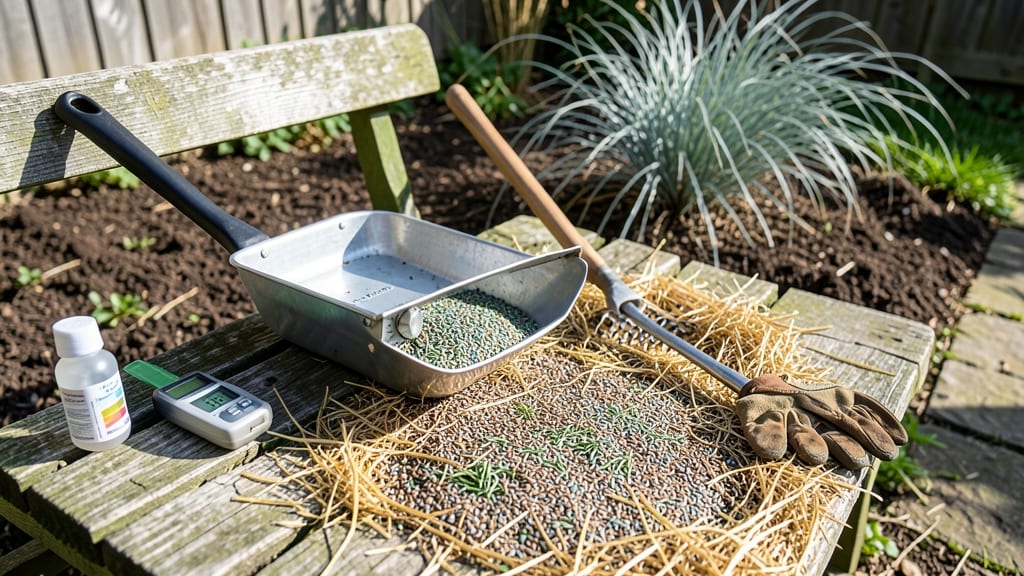
Planting grass seed in the fall is your secret weapon for a lush, weed-free lawn next spring—but get the timing wrong, and you’ll waste time and money.
The key lies in those crisp autumn days when soil stays warm enough to encourage root growth while cooler air slows weed competition.
In USDA Zone 6a, like where I garden, the ideal window stretches from mid-September to early October, giving seeds 4-6 weeks to establish before frost hits around mid-November. Too early, and seedlings may struggle with summer heat; too late, and winter dormancy kicks in before roots take hold.
Why does fall work so well? Cooler temperatures mean less stress on young grass, while reduced weed pressure gives your lawn a fighting chance.
I’ll walk you through exactly how to prep your soil, choose the right seed, and keep moisture levels perfect—so you can enjoy a vibrant lawn by next spring.
Whether you’re in a Northern climate or a milder Southern zone, these strategies will help you avoid common mistakes and maximize your grass’s potential. Let’s get started!
Best fall planting months for grass seed by USDA climate zone
Fall is the perfect window for planting grass seed because cooler temperatures reduce weed competition and longer daylight fuels root growth. But the ideal timing varies dramatically by USDA climate zone, from Zone 3’s harsh winters to Zone 10’s mild winters.
Plant too early, and frost zaps seedlings; too late, and dormancy kicks in before roots establish. Here’s your zone-by-zone planting calendar to maximize success.
Most gardeners target 4–6 weeks before the first expected frost, but Southern states often extend planting into November or even December. The key is soil temperatures between 60–75°F—cool enough to deter weeds but warm enough for germination.
Let’s break down the best months for each zone, including regional tweaks for Northern vs. Southern states.
| USDA Zone | Best Planting Window | Soil Temp Threshold | Frost Risk | Regional Adjustments |
|---|---|---|---|---|
| Zones 3–4 (Cold Winters) | Mid-August to early September | 60–68°F (15–20°C) | High (first frost: Oct–Nov) | Northern states (MN, WI, ME): Plant by late August to avoid early frosts. |
| Zones 5–6 (Moderate Winters) | Late August to mid-October | 60–70°F (15–21°C) | Moderate (first frost: Nov) | Midwest (IA, IL): Extend to October 15 if soil stays warm. |
| Zones 7–8 (Mild Winters) | September to early November | 65–75°F (18–24°C) | Low (first frost: Dec) | Southern states (TX, GA): Plant Kentucky bluegrass by October 15; tall fescue can go until November 15. |
| Zones 9–10 (Warm Winters) | October to December | 70–78°F (21–26°C) | Minimal (rare frost) | California, FL: Plant bermudagrass or zoysiagrass until December 1 for spring green-up. |
For Zones 3–4, act fast—late August is your last chance before soil cools and frost becomes a threat. In Zones 5–6, you’ve got flexibility until mid-October, but avoid planting if nighttime temps drop below 50°F.
Southern gardeners in Zones 7–10 can push boundaries, but bermudagrass and zoysiagrass need warm soil to germinate, so October is ideal.
Pro tip: Use a soil thermometer to confirm temps—60°F+ is your sweet spot for germination. If your zone’s first frost is November 15, aim to plant by October 1 for a 6-week establishment window.
In Zones 9–10, where frost is rare, December planting can still work for warm-season grasses, but growth slows dramatically.
Regional exceptions matter! For example, Pacific Northwest (Zone 7–8) can plant until November 15 thanks to mild winters, while Deep South (Zone 9) might see frost in January, allowing late-November seeding.
Always check your local frost dates and adjust 2–3 weeks earlier if your area has unpredictable cold snaps.
If you’re in a transition zone (e.g., Zone 6b vs. 7a), err on the earlier side. Cool-season grasses like tall fescue and ryegrass establish faster in September, while warm-season types (e.g.,
5 Signs your fall lawn seeding timing is perfect (or too late)
Nailing the perfect window for fall lawn seeding means watching for subtle clues from nature and your soil. The ideal timing balances warm soil for germination with cool air to prevent drought stress.
Miss these cues, and your grass may struggle to establish before winter. Let’s break down the five key indicators that tell you it’s go-time—or time to wait.
First, check your soil temperature—it’s the most critical factor. Grass seeds need soil between 60–75°F to germinate properly. Use a soil thermometer (or push your hand into the ground for a rough estimate) to confirm.
If it’s too cold, seeds won’t sprout; too hot, and they’ll dry out before roots take hold. This is your first green light for planting.
Next, monitor rainfall forecasts for the next 2–3 weeks. Aim for 1–1.5 inches of rain weekly to keep seeds moist without over-saturating the soil. If drought is predicted, delay planting until conditions improve. A sprinkler setup can help, but Mother Nature’s watering schedule is ideal.
🌱 5 Signs Your Fall Lawn Seeding Timing Is Perfect
- Soil temp: 60–75°F – Test with a thermometer 2–3 inches deep. Cool nights (50–60°F) reduce weed competition.
- Weeds are dormant – Fewer weeds mean less competition for nutrients. Look for slow weed growth as a signal.
- 4–6 weeks until frost – Use your local frost date calculator to time planting for root establishment before winter.
- Seed germination rate: 70%+ – Test a small batch in a tray to confirm your seed variety thrives in current conditions.
- Moisture retention test – Dig a small hole; if soil stays damp for 24 hours, it’s ready for seeding. Clay holds moisture longer than sandy soil.
⏰ Miss these signs? Adjust your planting date or prep soil with compost to improve conditions.
Weed activity is another telltale sign. When weeds slow down—especially crabgrass and chickweed—your grass seeds have less competition. Active weeds mean the soil is still too warm, and you should wait. Conversely, if weeds are already dormant, you might be too late for optimal fall seeding.
Don’t overlook seed germination rates. Test a small batch in a tray with moist paper towels to see how quickly your seeds sprout. If germination takes longer than 7–10 days, your seeds may need warmer soil or a different variety.
Fast germination (under a week) signals perfect timing for planting outdoors.
Finally, trust your local frost date. Planting 4–6 weeks before the first frost gives grass roots time to establish before winter dormancy. Use a frost date calculator for your ZIP code to avoid planting too close to cold snaps.
If frost is imminent, cover seedlings with frost blankets to protect tender new growth.