
Plants
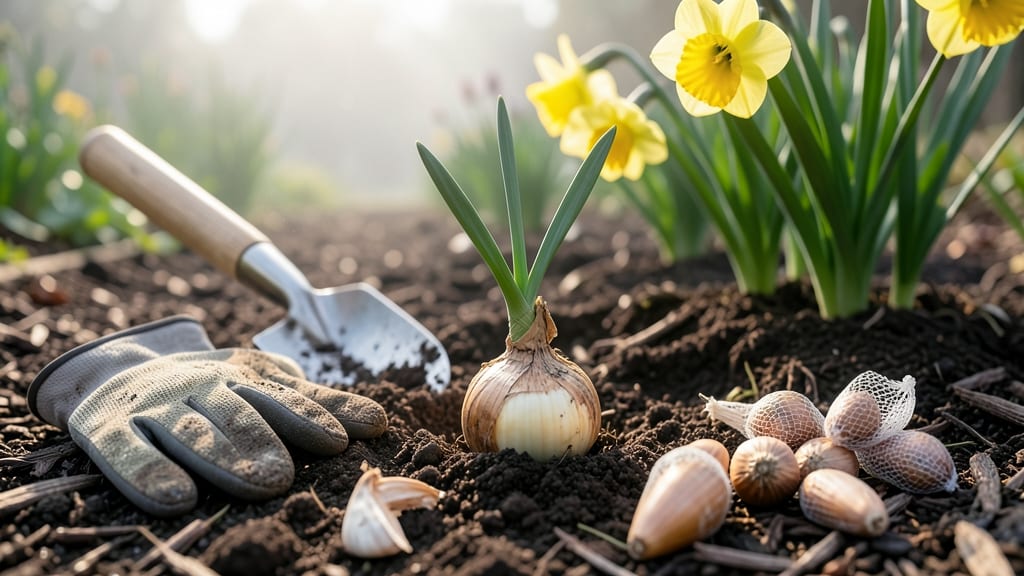
Planting daffodils in Tennessee at the wrong time could mean soggy bulbs or frost-killed blooms before they even show their faces. The key to success lies in understanding your Heat Zone 7a/7b climate—where late fall (October-November) is your sweet spot for root establishment before winter sets in.
You might think spring planting works, but daffodils need 6-8 weeks of chilling to bloom properly. That means getting them in the ground while soil temps hover between 50-60°F, giving roots time to anchor before the first frost hits.
In Nashville or Chattanooga, that window narrows to just a few weeks—so timing matters more than you’d expect.
What if you’re in East Tennessee’s cooler mountains versus West Tennessee’s milder winters? Regional microclimates shift planting dates by 2-3 weeks, and elevation plays a bigger role than you’d guess. I’ll break down exactly how to adjust your schedule for zero-frost spring blooms, no matter where you garden.
Once you’ve got the timing right, the next challenge is survival—protecting those bulbs from late frosts, deer, or soggy soil. I’ll share my 5 pro tips to ensure your daffodils (🌼) not only make it through winter but return year after year with vibrant, early-spring color.
Optimal planting months for Tennessee daffodils (7a/7b) based on soil temperature
Timing your daffodil planting in Tennessee isn’t just about the calendar—it’s about soil temperature. Daffodils need 6 weeks of cool soil (50–60°F) to establish roots before winter sets in.
In Heat Zones 7a/7b, this usually lands in late October to early November, but let’s break down why this window works best.
When soil temps drop below 50°F, daffodil bulbs enter dormancy. Planting too early (like September) risks rot from lingering warmth and moisture, while planting too late (December) leaves bulbs vulnerable to frost before root growth.
Tennessee’s first hard frost typically hits in mid-October, so aim to plant 4–6 weeks before that.
For Nashville (Zone 7a), the sweet spot is mid-October. Chattanooga (Zone 7b) can stretch to early November due to slightly milder winters. Knoxville’s higher elevation means earlier planting (late September) to account for colder nights. Always check your local frost dates—they’re your planting deadline.
Here’s the science: Daffodils need chilling hours (10–15 weeks below 40°F) to bloom. Tennessee’s winters naturally provide this, but soil prep is key. Amend clay-heavy soil with compost to improve drainage—daffodils hate soggy roots. A well-draining, slightly sandy loam is ideal.
Pro tip: Use a soil thermometer to confirm temps. If your soil is still warm (above 60°F), wait a week or two. Bulbs planted in cooler soil (50–60°F) will sprout faster in spring, giving you earlier blooms and fewer pests.
Now, let’s compare the best planting windows for Tennessee’s three major regions—because a Memphis garden and a Smoky Mountain garden have very different needs.
Notice how West Tennessee’s later window aligns with milder winters? Memphis gardeners can plant into November without fear of frost, while high-elevation areas need to plant earlier to avoid early freezes. Always adjust for microclimates—a north-facing slope will frost earlier than a south-facing bed.
One common mistake? Planting daffodils in spring. While possible in Tennessee’s Zone 7b, spring-planted bulbs rarely bloom the first year and often produce weak stems. Save spring planting for replenishing bulbs or container gardens where winter protection is easier.
For container planting, extend your window slightly—pots warm up faster, so aim for October in most areas. Just ensure containers have drainage holes and use a lightweight potting mix to prevent rot. Mulch heavily (3–4 inches) to insulate roots.
Finally, don’t rush. If your soil is still warm in November, hold off. A daffodil bulb planted in 60°F soil will rot before it roots. Patience pays off—healthy roots = vibrant spring blooms. 🌼
How to choose planting dates by Tennessee region for maximum bloom success
Tennessee’s diverse geography means your daffodil planting window can shift by 2-3 weeks depending on where you live. East Tennessee’s cooler highlands (like the Great Smoky Mountains) have shorter growing seasons, while West Tennessee’s milder winters (think Memphis or Jackson) give you a few extra weeks.
Even within the same city, elevation changes can delay frost by 10-14 days, so knowing your microclimate is key to avoiding frost-killed blooms.
For East Tennessee (USDA Zone 6a), aim to plant daffodils between mid-September and early October. Higher elevations (above 2,000 feet) may need bulbs in the ground by late September to avoid early frosts.
In cities like Knoxville or Chattanooga, you’ve got until mid-October—just monitor soil temps and plant when they drop to 60°F at night.
In Middle Tennessee (Zone 7a), including Nashville and Murfreesboro, your ideal window stretches from late September to early November. This region’s milder winters mean you can push planting later, but don’t wait past October 15th unless you’re in a sheltered microclimate.
Soil should be cool but workable—55-60°F—to encourage root growth before winter.
🌱 Tennessee Daffodil Planting Guide by Region
| Region | Best Planting Window | Soil Temp Goal | Key Consideration |
|---|---|---|---|
| East TN (Zone 6a) | Mid-Sept to Early Oct | 55-60°F | Early frosts; higher elevations |
| Middle TN (Zone 7a) | Late Sept to Early Nov | 50-60°F | Milder winters; urban heat islands |
| West TN (Zone 7b) | Oct to Mid-Nov | 50-55°F | Longer growing season; later frosts |
🌿 Pro Tip: Use a soil thermometer to confirm temps—daffodils need 6-8 weeks of chilling for best blooms.
In West Tennessee (Zone 7b), where cities like Memphis and Jackson enjoy milder winters, you can plant daffodils as late as mid-November. The longer growing season here means soil stays workable longer, but aim to get bulbs in by October 15th for optimal root establishment.
If you’re in a sheltered microclimate (like near a south-facing wall), you might even squeeze in late November plantings—just cover them with 3-4 inches of mulch to protect from sporadic frosts.
Regardless of region, always plant daffodils 6 weeks before the first hard frost—this gives roots time to anchor before winter. Check your local Almanac’s frost dates or use a soil thermometer to avoid guesswork.
In Tennessee, that typically means October-November, but don’t be afraid to adjust by a week or two based on your specific location’s history.
One final tip: If you’re unsure about your exact planting window, err on the earlier side. Daffodils planted too late may not establish roots before winter, but those planted too early can rot in soggy soil.
Balance is key—aim for cool but workable soil and you’ll set your daffodils up for zero-frost spring blooms year after year. 🌼