
Planting
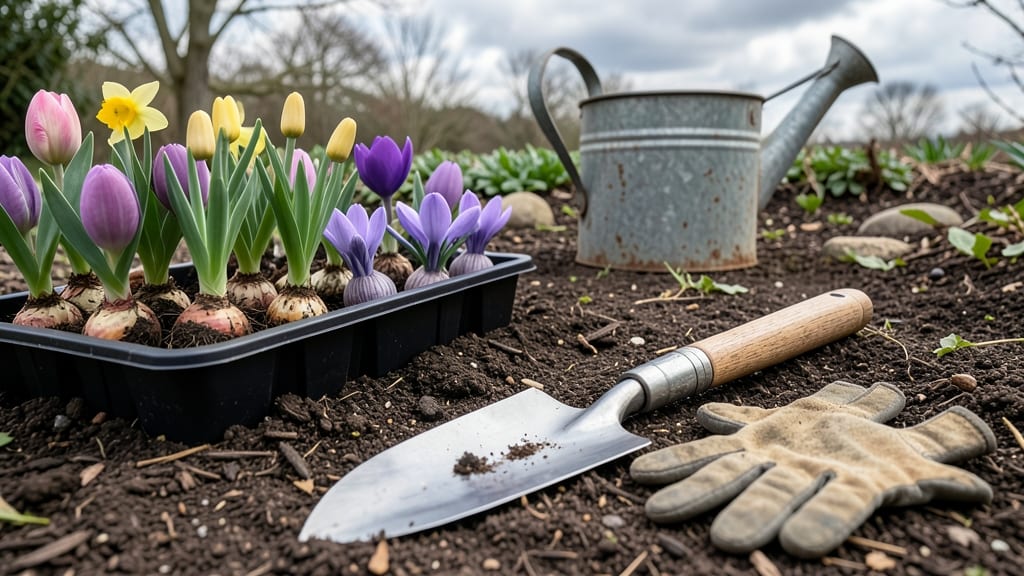
Planting your spring-planted bulbs 🌱 at the wrong time means the difference between a vibrant garden and a sad investment. The key isn’t just waiting for spring—it’s knowing exactly when the soil warms enough to protect those tender roots while avoiding late frosts that can wipe out weeks of effort.
Most gardeners in USDA Zone 6a (like me!) aim to plant 4-6 weeks before the last frost, but timing shifts depending on whether you’re in the chilly North or milder South.
Too early, and your tulips or daffodils might rot; too late, and you’ll miss the peak bloom window entirely.
Don’t guess—learn how to check your soil temperature (aim for 40-60°F) and calculate your frost-free date. I’ll walk you through the exact steps, so you can plant with confidence and watch your garden burst into color right on schedule.
Ready to transform your yard? Let’s dive into the perfect planting timeline—no more missed opportunities or wasted bulbs.
Spring bulb planting timeline by US hardiness zones
Planting spring bulbs like tulips and daffodils at the right time ensures vibrant blooms. The key is waiting until the soil warms to 40-60°F and the last frost date has passed.
In colder zones, this could be as early as February, while warmer regions may wait until April. Understanding your USDA zone and local frost patterns makes all the difference.
Northern gardeners in zones 3-5 should plant bulbs 4-6 weeks before the average last frost date. This gives roots time to establish before spring warmth triggers growth. Meanwhile, Southern gardeners in zones 7-9 can often plant as late as December or even early January for spring blooms.
Soil temperature is your best guide. Use a soil thermometer to confirm the ground is consistently above 40°F. In early spring, mornings might still dip below freezing, but daytime warmth is what matters most for bulb root development.
| USDA Zone | Ideal Planting Window | Soil Temp Threshold | Last Frost Date | Notes |
|---|---|---|---|---|
| Zones 3-5 | Late February to early April | 40-50°F | Mid-April to early May | Plant early to avoid late frosts |
| Zones 6-7 | March to early May | 45-55°F | Late March to early April | Flexible window for most bulbs |
| Zones 8-9 | December to February | 50-60°F | Mid-January to early February | Plant in winter for spring blooms |
| Zone 10+ | October to December | 55-60°F | No frost risk | Plant in fall/winter for spring color |
In Zone 3-5, where winters are harsh, aim to plant bulbs by early April to avoid late-season frosts. For example, in Minnesota or Upstate New York, tulips planted in March will have strong roots by bloom time.
Meanwhile, in Zone 8, like Atlanta or San Diego, you can plant as late as February for spring color.
Regional variations matter too. Coastal areas often have milder winters, allowing later planting. For instance, Seattle (Zone 8) can plant in January, while Chicago (Zone 5) should finish by April. Always check your local Almanac frost dates for precision.
Don’t forget to prepare your soil! Loosen the ground to 8-10 inches deep and mix in compost for drainage. Bulbs rot in soggy soil, so well-amended beds are critical. In clay-heavy soils, consider raised beds for better control over moisture levels.
After planting, mulch with 2-3 inches of straw to protect bulbs from temperature swings. This is especially important in Zone 4-6, where nighttime frosts can linger into May. Mulch also suppresses weeds, letting your bulbs focus on root growth.
For late bloomers like alliums or hyacinths, you can push planting to early May in cooler zones. These varieties tolerate slightly later starts better than tulips, which need early establishment for strong stems.
Always plant with the pointy end up—this simple step prevents rot and ensures proper growth.
If you miss the ideal window, don’t panic! Many bulbs, like daffodils, can handle late spring planting (up to June) and still bloom the following year. However, tulips planted after April may produce fewer flowers. Adjust expectations and enjoy the process!
How to check soil temperature and frost risk before planting
Planting bulbs at the right time ensures vibrant blooms, but soil temperature and frost risk can make or break your success. Most spring bulbs like tulips and daffodils need soil between 40-60°F to sprout safely.
If you plant too early, frost will damage tender shoots, while waiting too long may delay blooms. Let’s break down how to check these critical factors before digging in.
Start by checking your last frost date—this is your planting deadline. Most regions plant bulbs 4-6 weeks before the average last frost. For example, in USDA Zone 6a, that’s typically late March to early April.
Use the National Weather Service or local garden extension offices for precise dates. Pair this with soil temperature checks to avoid planting too soon.
Here’s how to test your soil temperature accurately:
- Step 1: Use a soil thermometer—insert it 4-6 inches deep (the depth you’ll plant bulbs) and leave it for 10 minutes. Morning readings are most accurate since soil cools overnight.
- Step 2: Aim for 40-60°F. Below 40°F, bulbs may rot; above 60°F, they’ll sprout too early and risk frost damage. Adjust planting dates if your soil is too cold or warm.
- Step 3: Monitor for 3-5 days to account for temperature swings. If mornings dip below 40°F, wait a week or use row covers for protection.
- Step 4: Calculate frost-free days. Use the formula: Last frost date - Planting date = Days until frost. Aim for at least 6-8 weeks of frost-free growth for bulbs to mature.
- Step 5: Adjust for late springs. If frost lingers, opt for hardier bulbs like crocuses or alliums, which tolerate cooler soil. For tender bulbs, delay planting until soil warms consistently.
Don’t rely solely on calendar dates—microclimates matter. A sunny, south-facing spot warms faster than a shady area. If your garden has uneven heating, test multiple locations.
For example, tulips planted in cold soil may rot, while daffodils (hardier) can handle slightly cooler temps. Use mulch to insulate soil if frost threatens after planting.
Pro tip: Pair soil checks with a frost risk calculator (available from the Old Farmer’s Almanac). Input your ZIP code to see historical frost trends. If your area has unpredictable frost, plant bulbs in containers so you can move them indoors if needed.
This is especially useful for hyacinths, which are frost-sensitive once sprouted.
Finally, keep a planting journal to track soil temps and frost dates year to year. Over time, you’ll spot patterns—like early springs or delayed frosts—and refine your timing. With these steps, you’ll plant bulbs at the perfect moment for bold, healthy blooms every spring. 🌱