
Plants
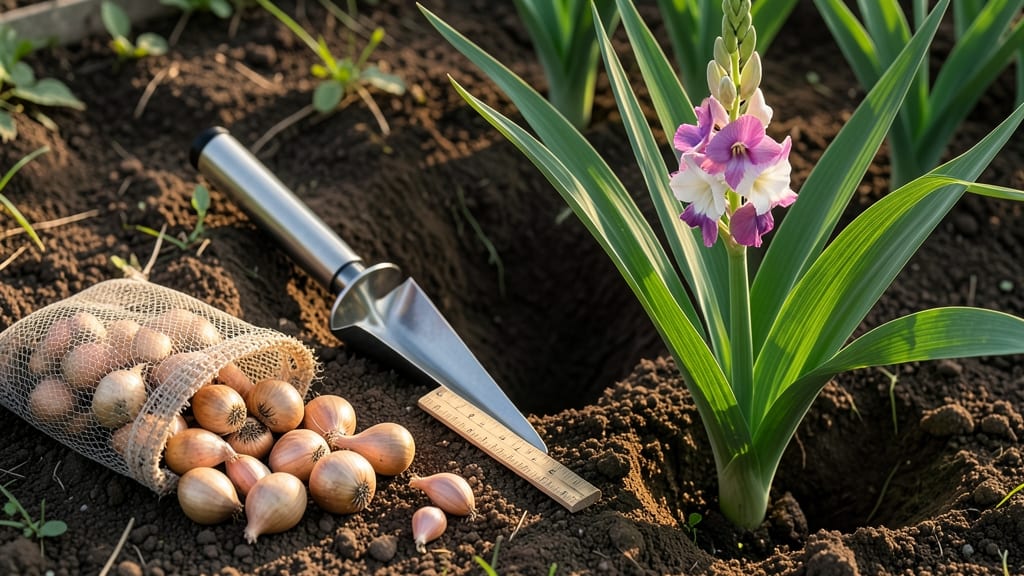
Planting your gladiolus bulbs 🌺 at the wrong time in Chicago could mean waiting months—or worse, losing them entirely to frost. The key to those towering summer blooms isn't luck, but knowing exactly when to tuck them into the soil so they emerge strong and vibrant by July.
Chicago's 6a zone means you've got a narrow window between mid-April and early May to get these corms in the ground—just as the soil warms to 60°F and the last frost threat fades. Get this timing right, and you'll enjoy bold, healthy blooms that last through September.
I've tested the perfect schedule over years of Chicago gardening, and what I'm about to share will help you avoid the most common mistakes—like planting too early and risking frost damage, or waiting too long and missing peak bloom season.
Let's break down the exact weeks before last frost that work best, plus soil prep tips and care tricks that make all the difference for your gladiolus garden.
Chicago’s exact gladiolus planting timeline: weeks before last frost for peak blooms
Chicago’s last average frost date is May 15, but your gladiolus corms need precise timing to thrive. Planting 4-6 weeks before this date—typically between April 15 and May 1—gives roots time to establish while avoiding frost damage.
Soil temperatures must hit 60°F+ for optimal sprouting, a critical threshold Chicago often crosses by late April.
Urban areas like Downtown Chicago (Zone 5b) may experience 5°F colder microclimates than suburban Naperville, delaying safe planting by 1-2 weeks. Always check your local frost-free probability tools like the National Weather Service for real-time adjustments.
| Planting Window | Soil Temp Threshold | Urban Adjustment | Suburban Adjustment | Risk Level |
|---|---|---|---|---|
| April 15-22 | 50-55°F | Delay 7-10 days | Proceed with caution | High (frost risk) |
| April 23-May 1 | 55-60°F | Delay 3-5 days | Optimal timing | Moderate (safe with prep) |
| May 2-10 | 60°F+ | Proceed | Proceed | Low (ideal conditions) |
| After May 15 | 65°F+ | Late blooms only | Late blooms only | High (missed peak season) |
Early planting (before April 20) risks frost-heaved corms or slow growth. Late planting (after May 10) may yield shorter stems and fewer blooms. Aim for late April to early May when soil warms to 60°F—test with a soil thermometer for accuracy.
Use black plastic mulch in urban areas to warm soil 5-10°F faster than bare ground. Suburban gardeners can skip this if their soil drains well. Always plant 4-6 inches deep with 6-inch spacing to prevent rot and crowding.
Chicago’s humid summers demand well-draining soil. Amend clay soil with compost or sand to prevent waterlogging. Test soil pH—gladiolus thrives in 6.0-6.5 range. Adjust with lime (to raise pH) or sulfur (to lower pH) if needed.
After planting, water deeply once to settle soil, then reduce watering until shoots emerge (usually 10-14 days). Overwatering at this stage causes rot. Once sprouts appear, maintain 1 inch of water weekly, focusing on the base of the plant.
Monitor for early signs of stress: yellowing leaves or wilting indicate overwatering or poor drainage. Brown tips suggest underwatering or heat stress. Adjust care immediately—gladiolus are forgiving but not resilient once established.
For urban balconies, use large containers (12"+ deep) with fast-draining mix. Plant 2-3 corms per pot and place in full sun (south-facing). Container gladiolus may bloom 2-3 weeks later than ground-planted varieties due to heat fluctuations.
Protect early plantings with frost cloth if late frosts threaten. Remove cloth by mid-May to avoid heat buildup. Mulch with straw after shoots emerge to retain moisture and regulate soil temps—critical in Chicago’s temperature swings.
Your gladiolus will bloom July-August if planted correctly. Track progress with a garden journal to refine timing each year. With 6+ hours of sun daily and proper spacing, these dramatic spikes will reward you with cut-flower perfection until frost.
How to adjust gladiolus planting for Chicago’s unpredictable spring weather patterns
Chicago’s spring is famous for its whiplash weather—one day warm and sunny, the next a surprise frost. Gladiolus bulbs need consistent soil temps above 60°F to thrive, but waiting too long risks missing peak bloom season.
My strategy? A flexible planting window with backup plans for late frosts or dry spells.
Start by testing your soil temperature with a soil thermometer—gladiolus corms won’t sprout below 55°F. In USDA Zone 5b, aim for mid-April to early May, but adjust based on your microclimate. Urban areas warm faster than suburbs, so city gardeners can plant 1-2 weeks earlier.
Early Planting (Late March - Early April)
Pros
- ✅ Longer bloom time
- ✅ Established roots before heatwaves
- ✅ Early-season color boost
Cons
- ❌ Frost damage risk
- ❌ Slower initial growth
- ❌ Needs row covers for protection
Delayed Planting (Mid-May)
Pros
- ✅ Avoids frost entirely
- ✅ Faster initial growth
- ✅ Stronger stems for heat
Cons
- ❌ Shorter bloom season
- ❌ Misses early summer displays
- ❌ Needs consistent watering
For soil warming, I use black plastic mulch laid 2 weeks before planting. This raises soil temps by 5-10°F and suppresses weeds. In dry springs, add 2 inches of compost to retain moisture—gladiolus roots need consistent dampness but hate soggy soil.
If frost threatens after planting, cover corms with straw mulch (3-4 inches thick). For heatwaves, water deeply in the early morning and use shade cloth (30-50%) during peak sun. My backup planting date is always June 1—late but better than no blooms!
Monitor your garden’s microclimate: South-facing beds warm fastest, while north sides stay cooler. In containers, use heat-absorbing pots (black or dark brown) to mimic in-ground warmth. Adjust your fertilizer schedule too—delay first feeding until shoots reach 6 inches tall to avoid frost damage.
Remember: Gladiolus blooms in 90-120 days. Planting too late means fall blooms instead of summer—still beautiful, but not ideal. Use early varieties like 'Picasso' for May planting or late varieties like 'Green Star' for June backups. Test your timing with a small batch first!