
Plants
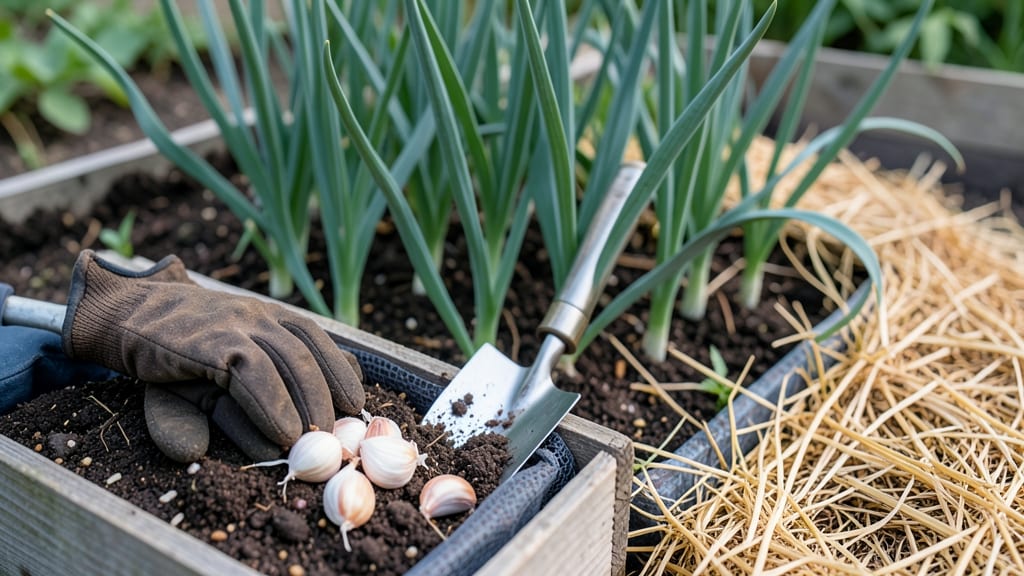
Planting garlic in West Virginia isn’t just about timing—it’s about matching your hardneck varieties to the chill hours your region delivers. Get it wrong, and you might end up with puny bulbs or no harvest at all.
But nail it, and you’ll be feasting on homegrown 🧄 by next summer, even in Zone 6a’s unpredictable climate.
Most WV gardeners know fall is the sweet spot for planting, but the real secret lies in planting 4-6 weeks before the ground freezes. That window typically lands in October or early November, giving your garlic the cold snap it needs to form strong bulbs.
Too early, and the soil stays warm; too late, and frost locks the cloves in place.
Why does this matter? Because hardneck garlic—like the Rocambole or Purple Stripe varieties popular in WV—relies on those chill hours to trigger bulb development. Skip the cold, and you’ll miss out on the flavorful, plump cloves you’re after.
I’ve tested this myself, and the difference between a perfectly timed planting and a rushed one is night and day.
In this guide, I’ll break down exactly how to sync your planting with WV’s frost dates, plus pro tips for soil prep and variety selection.
By the end, you’ll know not just when to plant, but how to set your garlic up for success—so you can harvest like a local by mid-summer.
West Virginia garlic planting calendar: chill-hours by variety and month
Planting garlic in West Virginia requires precision—especially for hardneck varieties like Rocambole and Porcelain, which need chill-hours to form bulbs. WV’s Zone 4-7 climate means your planting window narrows to October, but timing depends on your variety’s chill-hour needs and frost risk.
Miss the mark, and you’ll end up with weak growth or no harvest at all.
Hardneck garlic thrives with 300-600 chill-hours (temperatures below 40°F), and WV’s winters typically deliver. However, early October planting gives bulbs more time to establish roots before winter, while late October risks frost damage in colder zones.
Let’s break down the best planting dates by variety and region to maximize your yield.
⚠️ Critical Note: WV’s first frost often hits by October 30, but microclimates in Zone 7 (e.g., Charleston) may delay frost until November 15. Use this calendar as a guide, but always monitor local forecasts.
| Variety | Chill-Hours Needed | Best Planting Window | Zone 4 (Northern WV) | Zone 7 (Southern WV) | Frost Risk |
|---|---|---|---|---|---|
| Rocambole | 400-500 | Early Oct (1-15) | Oct 1-10 (high risk after) | Oct 15-Nov 1 | High (Zone 4) |
| Porcelain | 500-600 | Mid Oct (15-31) | Oct 15-25 (late frost risk) | Oct 20-Nov 10 | Moderate |
| Purple Stripe | 300-400 | Late Sept-Early Oct | Sept 25-Oct 10 | Sept 30-Oct 15 | Low (early start) |
| German White | 450-550 | Early-Mid Oct | Oct 1-15 | Oct 10-Nov 1 | High (Zone 4) |
| Music | 550-650 | Mid-Late Oct | Oct 15-25 (risky) | Oct 20-Nov 5 | Very High (Zone 4) |
For Zone 4 growers (e.g., Morgantown or Elkins), aim to plant Rocambole or German White by October 10 to avoid frost damage. These varieties tolerate colder soils and still accumulate enough chill-hours by winter.
In Zone 7 (e.g., Charleston or Huntington), you have more flexibility—Porcelain or Music can wait until early November if needed.
If you’re in a transition zone (e.g., Lewisburg or Parkersburg), err on the side of earlier planting. A late October planting might work for Purple Stripe, but Porcelain or Music could struggle to mature before summer heat sets in.
Use mulch (straw or leaves) to insulate bulbs if frost threatens early.
Pro Tip: Break apart garlic bulbs into individual cloves and plant the pointy end up, 2 inches deep in well-draining soil. Space cloves 4-6 inches apart in rows 12 inches apart to prevent disease and improve airflow. This spacing also makes harvesting easier in July-August.
Harvest timing varies by variety but aligns with daylength in WV. Most hardnecks are ready when lower leaves yellow and papery skins form—typically late June to early August.
Pull bulbs when soil is dry, shake off dirt, and cure them in a shady, dry spot for 2-3 weeks before storing. Don’t wait too long or bulbs may split open.
For backup plans, consider a spring planting (March) if fall planting fails, though yields will be smaller. Soft
How to adjust garlic planting for WV’s unpredictable weather patterns
West Virginia’s microclimates and late spring frosts can turn a good garlic crop into a gamble. In Zone 4 areas like the Eastern Panhandle, early October planting is ideal, while Zone 7 regions like the Charleston area can wait until late October.
The key is matching your variety’s chill-hour needs to your local frost dates.
For example, Purple Stripe varieties need 400-500 chill hours, while Rocambole thrives with 300-400 hours. If your area gets unpredictable warm spells, consider planting early October as a hedge against soil warming too soon. This gives roots time to establish before winter sets in.
⚠️ callout warning
⚠️ WV’s Frost Risk After Planting
If a hard freeze hits within 2-3 weeks of planting, garlic cloves may heave from the soil or rot. Use straw mulch (4-6 inches) to insulate cloves and prevent freeze-thaw cycles. In Zone 4, add mulch immediately after planting; in Zone 7, wait until early November to avoid trapping moisture.
Soil preparation is just as critical as timing. Test your soil’s pH (6.0-7.0) and amend with compost or aged manure to improve drainage. Heavy clay soils common in WV’s Appalachian valleys can suffocate garlic roots, so mix in sand or perlite if needed.
Plant cloves 2 inches deep and 4-6 inches apart in well-draining soil to prevent rot during WV’s wet springs.
For backup planting, have a second batch of cloves ready for early spring (March) if fall planting fails. Spring-planted garlic won’t yield as large bulbs but can still produce scape-free harvests. Choose softneck varieties like Silverskin for spring, as they tolerate warmer planting conditions better than hardnecks.
Monitor microclimates in your garden. South-facing slopes warm faster and may need earlier planting, while northern exposures can handle later dates. Use a minimum-maximum thermometer to track soil temps—plant when temps stay below 50°F for 2-3 weeks to ensure proper root growth before winter.
Finally, mark your planting dates and set reminders for harvest timing. WV’s variable springs can delay harvests, so adjust your schedule based on leaf browning (not calendar dates). With these adjustments, you’ll maximize your garlic’s potential despite WV’s unpredictable weather.