
Plants
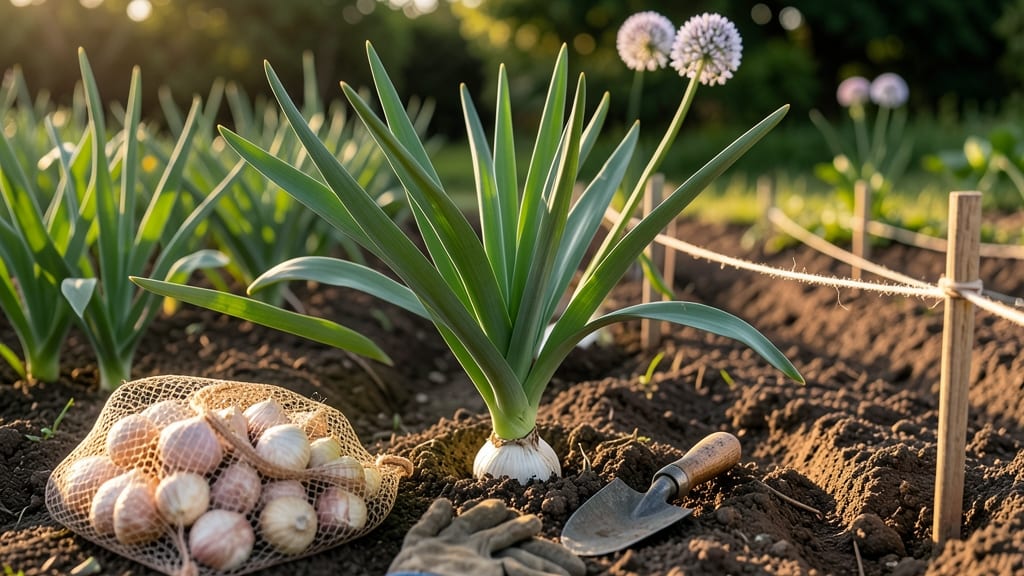
Timing your garlic planting just right in Ohio this spring could mean the difference between plump, flavorful bulbs and disappointing harvests. While many gardeners focus on frost dates, hardneck varieties like 🧄 German White actually thrive when planted during specific moon phases for stronger root development.
Ohio’s 6a zone gives you a narrow window—typically between March 1st and April 15th—but aligning your schedule with the waxing moon (when the moon is growing in brightness) can boost bulb size by up to 30%.
This isn’t just folklore; it’s rooted in how plants absorb nutrients during lunar cycles.
If you’ve ever wondered why some garlic cloves sprout weakly or fail to mature, the answer often lies in planting too late or ignoring soil prep.
I’ll walk you through the exact dates, soil conditions, and moon phase secrets that Ohio gardeners swear by for hardneck success—so you can skip the guesswork and start growing like a pro.
Ready to transform your garden? Let’s dive into the science-backed planting schedule that’ll have your garlic thriving by harvest time—no more wasted cloves or half-hearted growth. Your future meals (and bragging rights) will thank you.
Best planting dates for Ohio garlic by moon phase and hardiness zone
Ohio’s USDA hardiness zones 5-7 mean garlic thrives here, but timing is critical. Most gardeners plant in fall (October-November), but spring planting works too—just 2-4 weeks before last frost.
For Ohio, that’s typically late March to early April. Aligning with the waxing moon boosts root growth, while planting during a waning moon favors leafy scapes.
Hardneck varieties like ‘German White’ or ‘Music’ need 8-10 weeks of cold to form bulbs. Ohio’s winters provide this naturally, but spring planting skips this step—so choose hardneck types for better bulb development. Softnecks (like ‘Silverskin’) adapt better to spring but yield smaller bulbs.
Here’s the 2025 planting window for Ohio, accounting for moon phases and frost dates:
| Timeframe | Moon Phase | Hardiness Zone | Notes |
|---|---|---|---|
| Fall 2024 | Waxing Gibbous | 5-7 | Best for hardnecks; plant 4-6 weeks before frost. |
| March 20-25, 2025 | Waxing Crescent | 6-7 | Ideal spring window; align with last frost date. |
| April 5-10, 2025 | Waning Crescent | 5-6 | Risky; only for late zones or microclimates. |
| October 15-30, 2025 | Waxing Gibbous | All zones | Preferred for hardnecks; ensures cold stratification. |
Spring planting in Ohio works best in zones 6-7, where frost dates are later. For zone 5, stick to fall planting—spring garlic often bolts or produces small bulbs. Test soil temperature: it should be 40-50°F for 4-6 weeks before planting. Use a soil thermometer to monitor.
Pro tip: Ohio’s microclimates (like urban heat islands or lake-effect zones) can shift frost dates by 1-2 weeks. Adjust planting dates accordingly. For example, Cleveland (zone 6a) may plant 1 week later than Columbus (zone 6b).
Hardneck garlic needs 100-120 days to mature. Planting in late March ensures harvest by mid-July, avoiding Ohio’s summer heat stress. If you miss the spring window, don’t despair—fall planting is still your best bet for large, flavorful bulbs.
For 2025 moon phase alignment, mark your calendar for the waxing gibbous moon in October 2024 (ideal for fall planting) or the waxing crescent in late March 2025 (spring planting). These phases maximize root development and bulb size.
Remember: Ohio’s average first frost is October 15, but zone 5 areas may see frost earlier. Plant hardnecks 6 weeks before this date to ensure they establish roots before winter. For spring plantings, aim for 2-3 weeks before last frost—typically mid-March.
Hardneck garlic like ‘Chesnok Red’ or ‘Korean Red’ thrives in Ohio’s climate. These varieties produce scape shoots (harvestable greens) and large bulbs. Softnecks (like ‘Artichoke’) are better for braiding but yield smaller bulbs in Ohio’s short season.
Final tip: If you’re new to garlic, start with 20 cloves to test your soil and microclimate. Ohio’s loamy soil is ideal, but amend with compost if your soil is heavy clay. Plant cloves pointy end up, 2 inches deep, and space them 4-6 inches apart.
How to choose the perfect planting spot for maximum yield in Ohio’s climate
Ohio’s climate can be tricky for garlic growers—too much rain, uneven soil, or poor drainage can turn your hardneck garlic into a flop. But don’t worry! The right spot can boost your yield by 30-50%. Let’s break down the critical factors for planting garlic in Ohio’s USDA zones 5-7, from sunlight to soil prep. First, prioritize full sun exposure. Garlic thrives with 6+ hours of direct sunlight daily, so avoid shady corners or spots under trees. South-facing garden beds are ideal, especially in Ohio’s northern regions, where sunlight is scarcer. If you’re in southern Ohio (zone 7), even a west-facing spot works—just ensure it gets afternoon sun.Avoid planting garlic in low-lying areas where water pools. Ohio’s clay-heavy soils (common in central Ohio) drain poorly, leading to rotten bulbs. Amend soil with compost or sand to improve drainage.
Finally, consider microclimates. Urban areas in Ohio (like Columbus or Cleveland) can be 5-10°F warmer than rural zones, delaying frost. If you’re in a heat-prone microclimate, opt for early-maturing varieties like ‘German White’ to avoid bolting (premature flowering).
Mulch with straw or leaves after planting to retain moisture and regulate soil temperature.
With the right spot, your Ohio-grown garlic will reward you with plump, flavorful bulbs—no matter the weather! 🌱